Six lessons from hundreds of skincare product development projects on what makes a product succeed. OEM/ODM partner with in-house R&D. Request a quote.
Over the years, one question has appeared repeatedly during conversations with skincare founders, distributors, beauty entrepreneurs, clinic owners, and private label brands:

"What makes a skincare product successful?"
At first glance, the answer seems obvious — better ingredients, packaging, marketing, pricing. Yet after participating in hundreds of skincare OEM and private label product development projects, SEYE has observed something more interesting: many products that look promising never gain momentum, while others exceed expectations despite smaller budgets and less complexity. So what actually determines success? Several patterns appear again and again across markets, categories, and consumer groups — and these lessons in skincare product development may matter more today than ever.

Lesson One: Consumers Rarely Buy Ingredients — They Buy Outcomes
One of the most common misconceptions in skincare is that consumers purchase products because of ingredients. Ingredients matter, and consumers recognize terms such as peptides, ceramides, hyaluronic acid, niacinamide, and vitamin C. But consumers rarely wake up searching for ingredients alone. They search for outcomes: healthier skin, more comfortable skin, better hydration, improved resilience, reduced sensitivity. Ingredients support the story. Outcomes create demand.
Lesson Two: Clarity Outperforms Complexity
Many concepts begin with ambitious goals — hydration, brightening, anti-aging, firming, barrier support, and sensitive skin care, all in one product. It sounds attractive in development, but consumers respond differently. Products that communicate one primary benefit are easier to understand, and products that are easier to understand are easier to trust. Across hundreds of projects, clarity repeatedly outperforms complexity.
Lesson Three: The Best Products Solve Recurring Problems
Temporary concerns create temporary opportunities. Recurring concerns create sustainable businesses. This is one reason certain categories keep growing year after year:
- Hydrating face serum
- Barrier repair serum
- Sensitive-skin skincare
- Anti-aging serum
- Peptide serum
- Ceramide moisturizer
These address concerns consumers experience repeatedly — and recurring problems naturally generate recurring demand. (It's also why so many brands are now investing in barrier repair serums.)
Lesson Four: Hero Products Matter More Than Large Catalogs
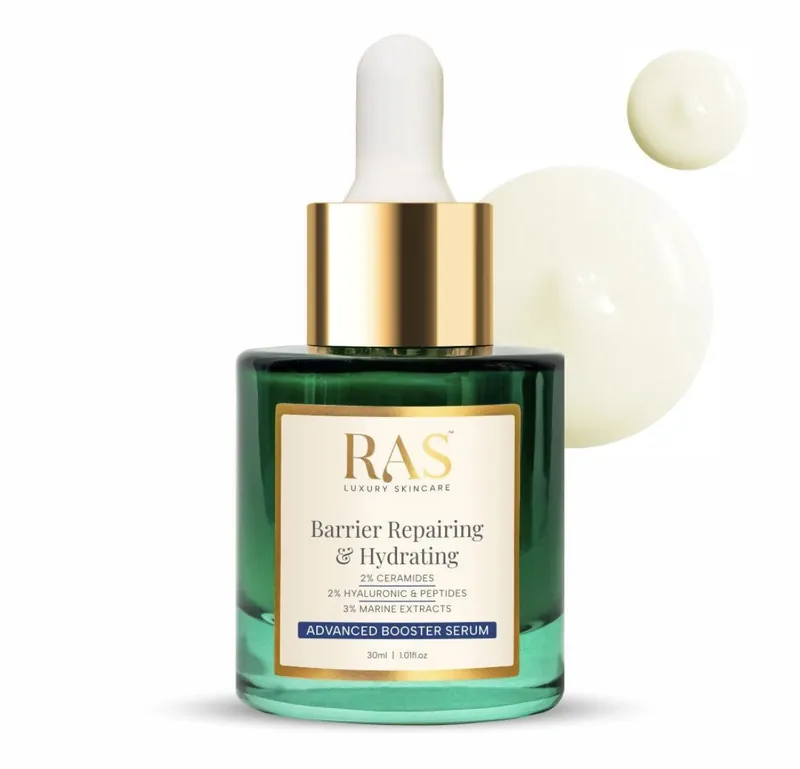
Consumers rarely remember product catalogs. They remember hero products: a peptide serum, a barrier repair cream, a hydrating face serum, a sensitive-skin solution. This is why many successful brands focus significant resources on developing one exceptional product before expanding. Memorable products create recognition, recognition creates trust, and trust creates growth — which raises its own question: what makes consumers remember a serum?
Lesson Five: Repeat Purchases Reveal the Truth
Marketing generates attention, launch campaigns generate excitement, and influencers generate awareness. But repeat purchases reveal whether a product is truly valuable. One of the most reliable indicators of product quality is not launch-day performance — it's what happens six months later. Consumers who keep purchasing are providing the strongest validation available, because repeat purchases reflect genuine satisfaction. For a deeper look at how this works in practice, see our guide on how successful brands build customer loyalty through private label serums.
Lesson Six: Product Development Is a Business Decision
Many founders view product development as a formulation decision. In reality, it's a business decision. Every product influences brand positioning, consumer perception, customer loyalty, and future expansion opportunities. This is why successful brands spend as much time discussing consumer behavior as ingredients — product development shapes the future direction of the business.
What SEYE Continues to Observe Across Global Markets
Whether discussing private label skincare, OEM face serum development, anti-aging products, barrier repair skincare, custom serum development, or sensitive-skin products, one principle keeps appearing: consumers are becoming increasingly selective. Exposed to more choices than ever, the products that succeed share a common trait — relevance. The strongest products solve meaningful problems in a way consumers immediately understand.
Why Some Brands Keep Growing While Others Struggle
The difference is rarely manufacturing capability alone, and rarely marketing alone. The strongest brands align four elements: consumer need, product relevance, clear positioning, and consistent experience. When these work together, growth becomes easier. When they conflict, growth becomes difficult.
The Question Every Brand Should Ask
Before developing a new product, ask one question:
"Why will consumers continue choosing this product when they have hundreds of alternatives?"
Because successful product development isn't about creating another product. It's about creating a reason to choose.
Looking Ahead
The skincare industry will keep evolving — new ingredients, technologies, and trends. Yet the lessons from hundreds of development projects stay remarkably consistent: consumers don't reward complexity, they reward relevance, clarity, and products that solve meaningful problems. At SEYE, we believe successful development begins with understanding people before products. Products may launch brands, but consumer trust sustains them — and in the long run, trust remains the most valuable ingredient in skincare.
Turn These Lessons Into Your Next Hero Product
SEYE pairs in-house R&D with consumer insight to help you develop relevant, repeat-purchase skincare — under ISO 22716 & GMPC standards, with flexible MOQ and full regulatory support. See how we applied these lessons in a real project: France private label skincare case study.
Tell us your target consumer and concern — our R&D team replies with a product concept and sample within 48 hours.
SEYE R&D Team
Product Development Team, SEYE Cosmetics
Publication details are shown from the article record. Individual expertise, reviewer information, and review dates appear only when verified for public display.