A complete OEM guide to bakuchiol in skincare — clinical efficacy vs retinol, formulation compatibility, concentration selection, market positioning, and how to build a bakuchiol private label product that captures the clean anti-aging consumer.
Bakuchiol: The Natural Retinol Alternative Driving Private Label Anti-Aging Sales
Few ingredients have made as commercially successful a transition from niche to mainstream in recent memory as bakuchiol. Extracted from the seeds of the Psoralea corylifolia (babchi) plant and used for centuries in Ayurvedic medicine, bakuchiol emerged in the 2010s as a clinically substantiated plant-based alternative to retinol — and has since become one of the most commercially resonant anti-aging ingredients in the clean beauty market.
For private label brands and OEM buyers, bakuchiol represents an unusual opportunity: an ingredient with genuine clinical credentials that slots perfectly into clean beauty and pregnancy-safe positioning, addresses a demonstrably large consumer segment (those who want retinol results without retinol's side effects), and commands premium pricing without premium formulation complexity. This guide covers everything you need to know to develop a bakuchiol skincare range through an OEM partner.
What Bakuchiol Is and How It Works
Bakuchiol (INCI: Bakuchiol) is a meroterpene phenol — a phytochemical with no structural similarity to retinol but with documented functional similarities in terms of its effects on skin gene expression. The key 2018 study published in the British Journal of Dermatology compared bakuchiol 0.5% twice daily against retinol 0.5% once daily in a randomized, double-blind trial and found comparable improvements in fine lines, wrinkles, pigmentation, elasticity, and firmness over 12 weeks — with significantly less facial skin scaling and stinging reported in the bakuchiol group.
The proposed mechanism is that bakuchiol activates retinol-like signaling pathways in skin cells — upregulating type I and IV collagen synthesis, stimulating cell turnover, and inhibiting matrix metalloproteinases — without binding to retinoic acid receptors or triggering the irritation cascade associated with topical retinoids. It also demonstrates antioxidant and anti-inflammatory activity, which may contribute to its superior tolerability profile.
The Commercial Case: Why Bakuchiol Belongs in Your Portfolio
The clean beauty market has grown from a niche positioning to a mainstream consumer expectation. Bakuchiol sits at the intersection of three high-growth consumer trends: clean beauty (plant-derived, free from synthetic retinoids), anti-aging efficacy (clinically substantiated results), and pregnancy-safe skincare (safe for use during pregnancy and breastfeeding, unlike retinol).
For brands building a premium anti-aging range, bakuchiol provides a differentiated entry point that retinol cannot occupy. For brands already selling retinol products, a bakuchiol line extension addresses the segment of their customer base that has experienced retinol sensitivity — a common reason for product abandonment. The commercial case is straightforward: bakuchiol commands premium pricing (typically 20–40% above equivalent retinol SKUs at retail), has strong repeat purchase rates driven by tolerability, and benefits from ongoing media coverage that continues to educate consumers about the ingredient.
Bakuchiol Formulation: What Your OEM Partner Needs to Know
Bakuchiol is an oil-soluble ingredient, typically supplied as a pale yellow oil or dissolved in a carrier oil (squalane, jojoba, or similar). Standard use concentrations in commercial products range from 0.5% to 2%, with 1% being the most common benchmark for efficacy-positioned products. The 2018 clinical study used 0.5%, which remains the reference concentration for clinical claim substantiation.
Formulation pH flexibility is one of bakuchiol's significant advantages over retinol. Retinol requires careful pH management and is incompatible with many actives at low pH. Bakuchiol is stable across a broad pH range (approximately 4.5–8.0), making it compatible with most skincare formulation approaches including AHAs, niacinamide, hyaluronic acid, and peptides.
| Co-Ingredient | Combined Benefit | Formulation Notes |
|---|---|---|
| Hyaluronic Acid | Anti-aging + deep hydration | Fully compatible; excellent baseline formula |
| Niacinamide | Anti-aging + brightening + pore minimizing | No compatibility issues; multi-benefit positioning |
| Vitamin C (stable derivatives) | Anti-aging + antioxidant + brightening | Choose stable derivatives (AA2G, EAC) for optimal compatibility |
| Peptides | Collagen synthesis from multiple pathways | Synergistic anti-aging narrative; well-tolerated combination |
| Squalane | Anti-aging + skin barrier support | Natural pairing in oil-rich face serum or body oil format |
| Retinol (co-formulation) | Enhanced anti-aging efficacy | Some brands co-formulate to enhance tolerability of lower-dose retinol |
Stability Testing for Bakuchiol Products
Bakuchiol is significantly more stable than retinol under standard conditions, but it is not immune to degradation. Antioxidant stabilizers (vitamin E, ferulic acid, rosemary extract) are standard co-ingredients in bakuchiol formulations to protect against oxidative degradation of the oil phase. Accelerated and real-time stability testing should be conducted under standard protocols (40°C/75% RH and 25°C/60% RH respectively), with HPLC assay for bakuchiol content at defined timepoints.
The wider pH compatibility of bakuchiol means that stability concerns across the formulation are typically focused on the base formula and other actives rather than the bakuchiol itself — a meaningful advantage in product development complexity.
Product Format Strategy for Bakuchiol Private Label
Face Serum
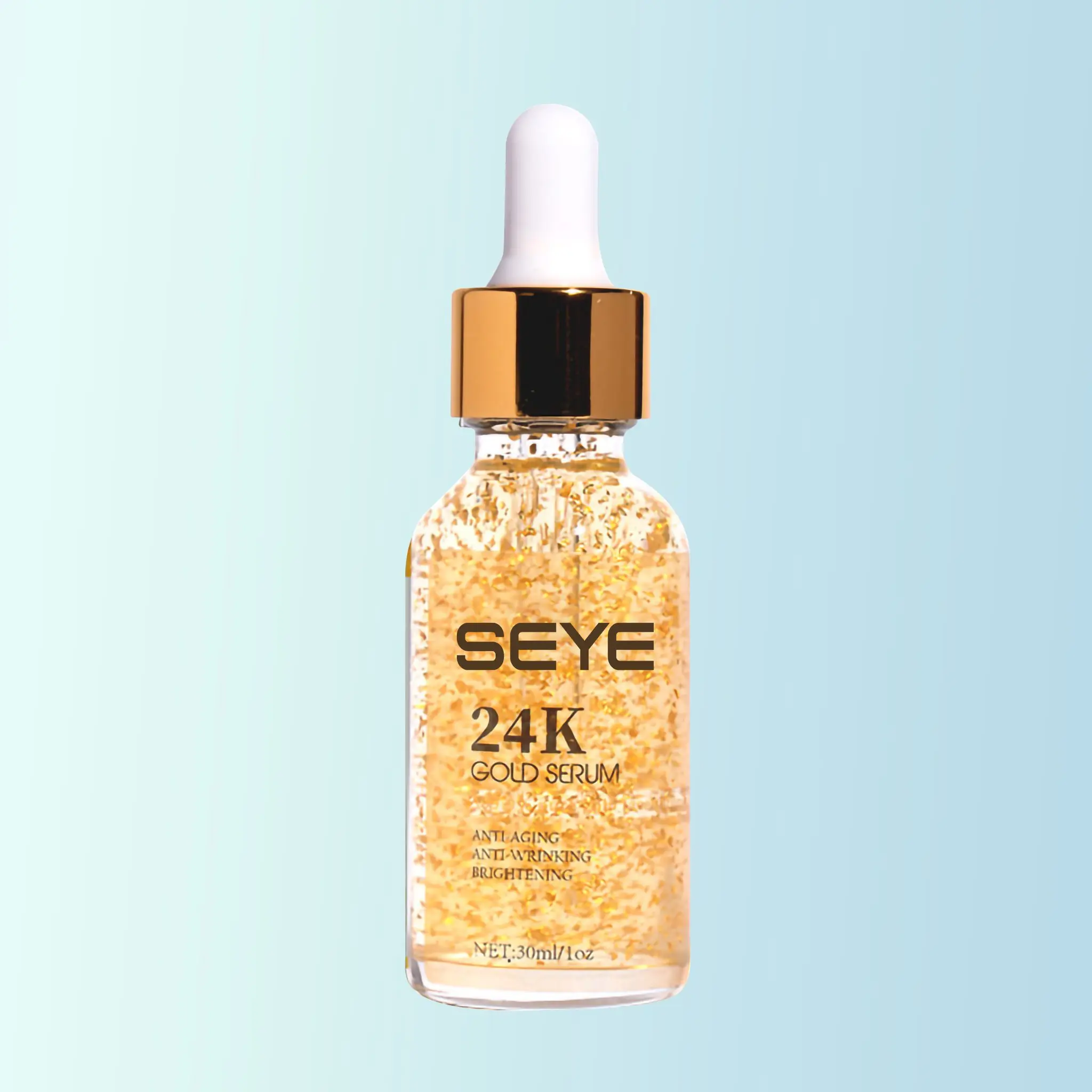
The highest-performing commercial format for bakuchiol. A bakuchiol serum at 1% concentration in a lightweight, fast-absorbing base with hyaluronic acid and niacinamide is the most commercially validated formula type. Airless pump packaging maintains oil-phase integrity and supports premium positioning.
Face Oil
An anhydrous bakuchiol face oil in squalane or rosehip oil base appeals to the luxury clean beauty consumer and provides maximum bakuchiol bioavailability given the absence of an aqueous phase. Face oils are high-margin formats with strong appeal on visual merchandising platforms.
Night Cream
A bakuchiol night cream in a richer emulsion base emphasizes skin repair and regeneration during overnight hours — the same positioning used for retinol night creams, transposed to a pregnancy-safe, irritation-free format.
Eye Serum
Bakuchiol's tolerability advantage is particularly relevant around the eye area, where skin is thinnest and retinol sensitivity is highest. A bakuchiol eye serum addresses an underserved intersection between clinical eye care and clean beauty.
Marketing Language and Claim Substantiation for Bakuchiol
The most effective marketing language for bakuchiol products references the 2018 British Journal of Dermatology study as a foundation for the ingredient's clinical credibility, uses "clinically proven comparable to retinol" language carefully (referring to the study's findings about the ingredient, not claiming equivalence for your finished product without your own data), and leads with the consumer-benefit headline: "retinol results, without the retinol."
For finished product claim substantiation, a consumer perception study on your specific formula — assessing visible improvements in fine lines, firmness, and skin tone over a 4–8 week period — provides the foundation for your packaging claims. This study can be conducted by a third-party CRO through your OEM manufacturer's testing network, typically within 8–12 weeks of formula finalization.
Conclusion
Bakuchiol is not a trend ingredient that will peak and fade — it is a genuinely effective, well-tolerated, plant-derived anti-aging active with clinical data that the clean beauty consumer has learned to trust. For private label brands, it represents one of the clearest opportunities in the current market: an ingredient that speaks directly to a large, identified consumer need (effective anti-aging without retinol's downsides), commands premium pricing, and is formulation-friendly enough to develop quickly through an experienced OEM partner.
SEYE has developed and validated bakuchiol formulas for brands across Europe, North America, and Asia, and can bring your bakuchiol product from brief to first samples within two weeks. Contact SEYE to start the development conversation.
SEYE Cosmetics R&D Team
Ingredients & Formulation Specialist
Publication details are shown from the article record. Individual expertise, reviewer information, and review dates appear only when verified for public display.