A practical 2026 guide to launching a private label hand cream line with low MOQ. Covers OEM vs ODM, formulation options, timelines, costs, and how to choose a low MOQ cosmetics manufacturer.
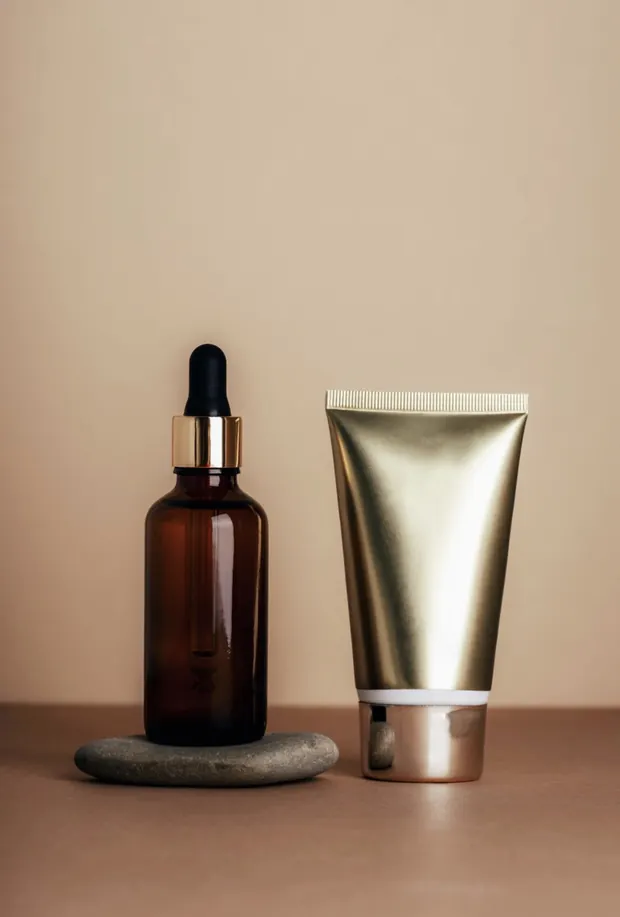
Focused private label skincare lineup with hero packaging formats
Packaging format — tube, jar, or bottle — is often the real MOQ lever, not the formula itself.
Short answer: Starting a private label hand cream line in 2026 means picking a low MOQ cosmetics manufacturer that offers a stock or semi-custom base formula, choosing packaging that keeps per-unit cost low at small volumes, and running one to two rounds of sample approval before committing to a production order. With the right hand cream OEM partner, a brand founder can go from concept to shelf-ready product in as little as six to eight weeks, often starting with 500–1,000 units per SKU.
Key Takeaways
Low MOQ hand cream programs typically start at 500–1,000 units when built on a manufacturer's existing formula base.
Choosing ODM over full custom OEM development significantly shortens both timeline and minimum order size.
Packaging selection, not just formula, is often the real MOQ bottleneck — tubes, pumps, and jars all carry different minimums.
ISO 22716 and GMPC certification are the baseline signals of a factory capable of consistent low-volume batches.
Budget for stability and compatibility testing even on small orders, since skipping it is the most common cause of post-launch reformulation.
Why This Matters
Hand cream has become one of the more accessible entry points for new skincare and personal care brands. It has a simpler ingredient profile than serums or actives-driven products, a broad and forgiving customer base, and strong repeat-purchase behavior once a scent and texture connect with buyers. That makes it a common first SKU for founders testing a new brand, and for distributors adding a private label line alongside their existing catalog.
The barrier that stops most people isn't formulation — it's minimum order quantity. Traditional cosmetics manufacturing was built around large retail orders, with MOQs of 5,000 to 10,000 units per SKU. For a founder validating a brand or a clinic owner testing demand, that volume is both financially risky and hard to store and sell through. The shift toward low MOQ hand cream OEM programs over the past few years has changed that math, but it has also created a wide range of what "low MOQ" actually means from one factory to another.
Market Insights
Heading into 2026, a few patterns are shaping how brands approach private label hand cream sourcing:
Smaller first orders, faster iteration
Brands increasingly launch with 500–1,500 units per SKU across two or three variants, then reorder based on real sell-through data instead of forecasting a year out.
Ingredient transparency as a differentiator
Fragrance-free, dermatologist-tested, and "clean" formulations are moving from niche to expected, even at the value end of the hand cream category.
Packaging as the growth lever
With formulas increasingly commoditized among OEM factories, brands are differentiating through tube design, pump mechanisms, and refill formats.
Regional compliance complexity
Brands selling across the EU, North America, the Middle East, and Australia in parallel are asking manufacturers to handle multi-region labeling and safety documentation from the outset.
Comparing Your Hand Cream Sourcing Options
Before approaching manufacturers, it helps to understand the three broad paths available, since each has a different MOQ profile and level of control.
| Approach | Typical MOQ | Timeline | Best For |
|---|---|---|---|
| Stock formula, private label only | 300–1,000 units/SKU | 4–6 weeks | First-time founders validating a brand |
| ODM (semi-custom: scent, texture, actives) | 1,000–2,000 units/SKU | 6–10 weeks | Brands wanting differentiation without full R&D |
| Full OEM (brand-supplied formula) | 2,000–5,000+ units/SKU | 12–16+ weeks | Established brands with proprietary formulas or claims |
Most brands launching in 2026 for the first time land in the first or second row. Full OEM development makes more sense once a formula has already been validated in market and the brand is ready to scale or protect a specific claim.
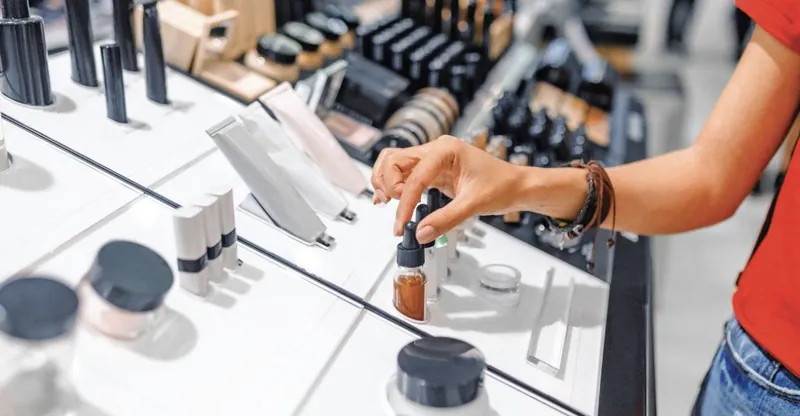
Consumer comparing multiple personal care products on a retail shelf
Traditional retail MOQs were built around shelf space like this — low MOQ programs are changing that math for new brands.
Recommendations
Before you request quotes, get clear on:
Which regions you'll sell into first, since this determines labeling and safety documentation requirements.
Whether you need a fully custom formula or can start from a manufacturer's existing base and adjust fragrance, thickness, or actives.
Your realistic first-order volume per SKU, and whether you're testing one variant or launching a small range.
Packaging preferences (tube vs. pump jar vs. airless bottle), since this often drives MOQ more than the formula does.
Whether you need third-party testing (dermatologist testing, stability testing, microbial challenge testing) included or arranged separately.
Key question to ask any manufacturer: "What is your MOQ per SKU if I use your existing base formula and standard packaging, versus a custom formula and custom packaging?" The gap between those two answers tells you how flexible the factory really is.
OEM Development Considerations
Formula base and customization limits
Ask what's actually adjustable within a stock formula — fragrance load, viscosity, and the addition of a hero ingredient (shea butter, ceramides, niacinamide) are usually flexible without triggering a full custom-formula MOQ. Changing the core active system or preservative typically does trigger it.
Sample rounds and lead time
Budget for at least one round of sample revision even on a stock formula — fragrance and texture preferences are subjective, and getting it right before the production run avoids costly rework. Each round typically adds one to two weeks.
Packaging lead time vs. formula lead time
Custom tube printing or mold work often takes longer than the formula itself, especially at low volumes where the factory is fitting your order between larger production runs. Confirm packaging lead time separately from formula lead time when planning your launch date.
Documentation for multi-region selling
If you're selling into the EU, you'll need a Cosmetic Product Safety Report (CPSR) and a Responsible Person in the EU. For a deeper walkthrough of what's required, see our EU cosmetics compliance guide.
If this is your first product launch overall rather than an additional SKU, it's worth reviewing the broader process end to end — our guide to starting a skincare brand covers brand setup, positioning, and sourcing sequencing beyond hand cream specifically.
Satisfied consumer building long-term trust through a simple daily skincare routine
A good hand cream earns repeat purchases the same way any skincare staple does — through consistent results.
Frequently Asked Questions
What is the lowest MOQ for a private label hand cream?
Many low MOQ cosmetics manufacturers can produce hand cream starting around 500 to 1,000 units per SKU when using a stock base formula and standard packaging. Fully custom formulas typically start higher, often 2,000 to 3,000 units, because of ingredient sourcing and batch testing requirements.
How long does it take to launch a private label hand cream line?
A stock-formula launch can move from sample approval to finished goods in about 6 to 8 weeks. A custom formula with stability and compatibility testing typically takes 12 to 16 weeks, depending on how many rounds of formula adjustment are needed.
Is OEM or ODM better for a first hand cream order?
For a first order, ODM is usually faster and lower risk, since you are customizing an existing formula rather than developing one from scratch. OEM, where you supply your own formula, makes sense once you have a validated formula or specific claims you need to protect.
What certifications should a hand cream OEM factory have?
Look for ISO 22716 (Good Manufacturing Practice for cosmetics) as a baseline, plus GMPC certification. If you plan to sell into the EU, also confirm the factory can support a Cosmetic Product Safety Report (CPSR) and EU-compliant labeling.
Related Reading: How to Start a Skincare Brand · EU Cosmetics Compliance Guide
Ready to Develop Your Hand Cream Line?
Consult with SEYE's formulation team — your trusted OEM/ODM partner in Guangzhou, China, supporting low MOQ hand cream programs for brands across Europe, North America, Australia, the Middle East, and Africa.
SEYE R&D Team
Formulation & OEM Specialists
Publication details are shown from the article record. Individual expertise, reviewer information, and review dates appear only when verified for public display.