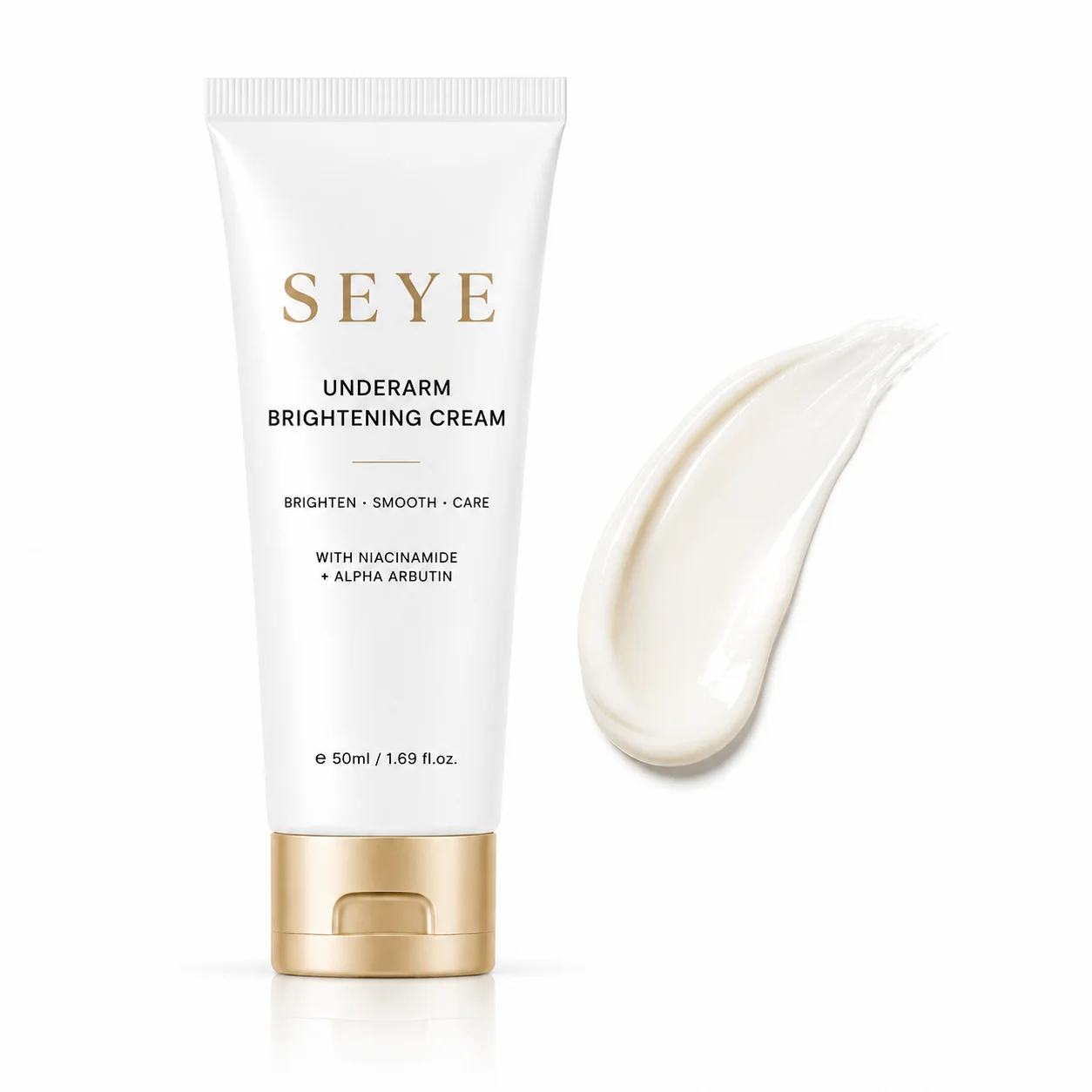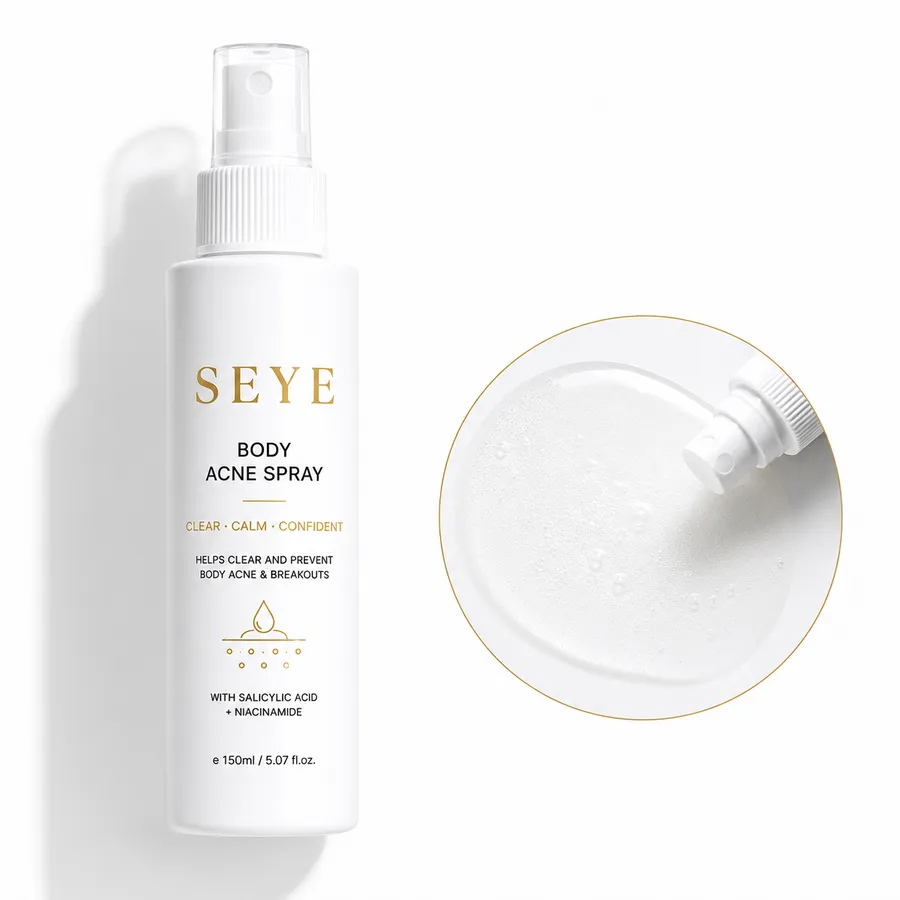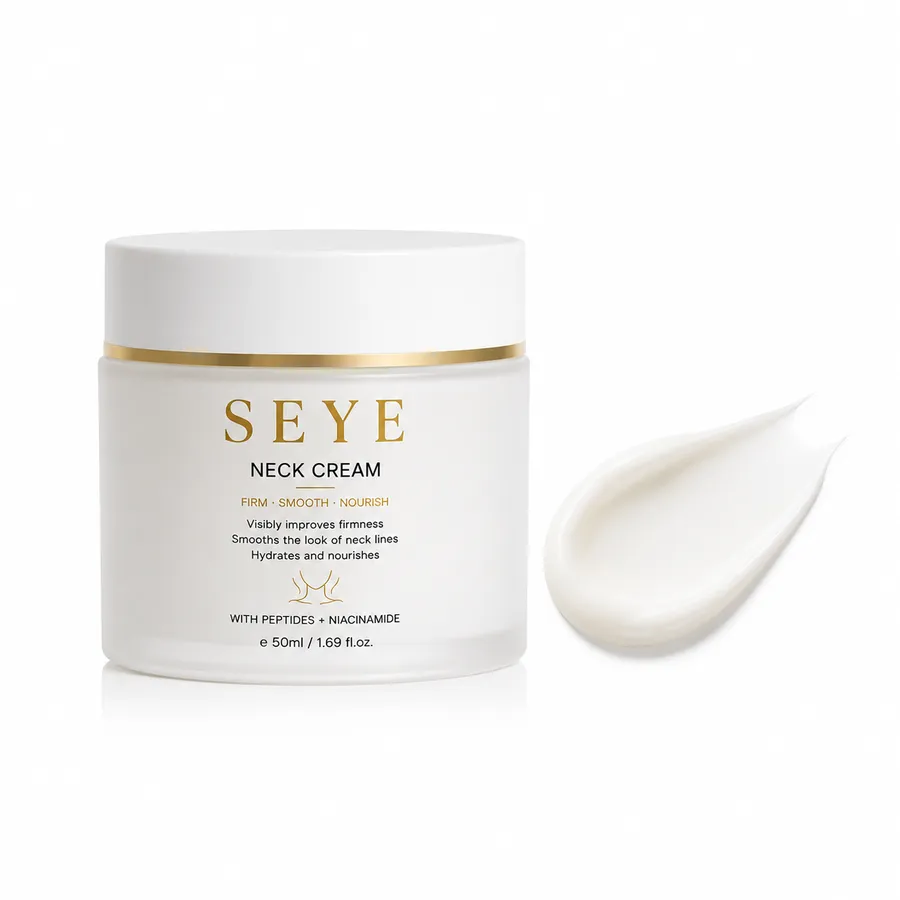
A complete B2B guide to private label body care manufacturing — covering body lotions, body butters, exfoliating scrubs, and body oils. MOQ, lead time, formulation decisions, and category strategy for brand founders.
Private Label Body Care OEM: Lotions, Butters, Scrubs & Oils Explained
Body care is the most accessible entry point into the private label skincare business. The formulations are well-understood, regulatory requirements are generally less complex than for face care actives, and consumer demand — driven by the ongoing "skin-ification of body care" trend — has never been stronger. Yet for brands evaluating OEM partners, the category presents its own set of decisions: format, texture, active ingredients, fragrance, packaging, and positioning all require deliberate choices.
This guide walks through the four primary body care product formats — lotions and creams, body butters, exfoliating scrubs, and body oils — and explains what brand owners need to know about each from a manufacturing, formulation, and commercial perspective.

Why Body Care Is a Smart First Launch Category
Body care has several structural advantages for private label brands entering the market. Minimum order quantities are typically achievable at lower unit counts than specialized face actives. Product claims are generally cosmetic rather than quasi-drug, simplifying regulatory pathways in the EU and US. Consumer repurchase rates are high — body lotion is a daily-use product with consistent depletion. And the format variety within the category allows a brand to build a coherent product family from a single manufacturing partnership.
The trend toward "treating your body the way you treat your face" is real and commercially significant. Consumers who spend on niacinamide and retinol for their face are now demanding the same ingredient sophistication in body lotions and creams. This creates genuine opportunity for private label brands willing to invest in formulation quality rather than compete on price alone.
Body Lotions and Creams
Format Overview
Body lotions are oil-in-water emulsions with a relatively low viscosity suited to widespread application over large body surface areas. Body creams are richer, higher-viscosity emulsions with a higher oil phase content that provides greater occlusion and a more luxurious feel. The distinction matters for positioning: lightweight lotions appeal to warm-climate consumers and oily skin types; richer creams are preferred in cold climates, for dry or eczema-prone skin, and in the premium self-care segment.
Key Formulation Decisions
Emollient selection drives the tactile experience of a body lotion or cream. Common emollients include shea butter, glycerin, squalane, dimethicone, fatty alcohols, and various plant oils. Each has a distinct skin feel and claims potential. Shea butter signals natural and nourishing; squalane appeals to lightweight hydration seekers; dimethicone provides silky finish without greasiness. Your OEM formulator should help you match emollient selection to your brand's positioning and target consumer.
Active ingredients are increasingly expected in premium body lotion. Niacinamide for brightening and barrier support, AHAs (lactic acid, glycolic acid) for gentle exfoliation and texture improvement, urea for intensive moisture, and ceramides for barrier reinforcement are among the most commercially compelling options for the body care category.
MOQ and Lead Time Expectations
Body lotion and cream formulas are among the most straightforward to manufacture at scale. At SEYE, standard body lotion MOQ starts from 500 units. Lead times from formula confirmation to finished goods typically run 4–6 weeks, with first samples available in 5–7 days from briefing.
Body Butters
Format Overview
Body butters are water-free or water-minimal formulations based on a blend of solid and liquid oils — typically shea butter, cocoa butter, mango butter, or other plant butters — combined with liquid carrier oils such as jojoba, sweet almond, or argan. They are intensely emollient and occlusive, making them particularly suited for extremely dry skin, post-shower application, and cold-climate markets.
Formulation Considerations
Anhydrous body butters do not require a preservative system (in the absence of any water phase) but do require antioxidant stabilization to prevent rancidity in the oil phase. Vitamin E (tocopherol) and rosemary extract are commonly used. Texture customization — from a firm stick that melts on contact to a whipped, mousse-like consistency — is achieved through variation in the ratio of solid to liquid phases and the incorporation of waxes or emulsifying waxes.
Fragrance selection is particularly important for body butters because the rich oil base amplifies fragrance impact. Both synthetic fragrance compounds and natural essential oil blends are available, with your OEM partner's fragrance house offering a curated library of on-trend options. Compliance with IFRA guidelines on fragrance concentrations is mandatory for products sold in the EU and US.
Commercial Positioning
Body butters are a category where natural, clean-beauty, and artisanal positioning is particularly commercially viable. The visible ingredient story — shea butter from Ghana, cocoa butter, baobab oil — resonates strongly with consumers who are active ingredient readers. Brands launching in this segment should work with their OEM partner to develop ingredient origin documentation and INCI transparency that supports clean beauty claims.
Exfoliating Body Scrubs
Format Overview
Physical exfoliating scrubs for the body use abrasive particles suspended in a cream, oil, gel, or sugar base to mechanically remove dead skin cells. They are one of the highest-repurchase categories in body care, particularly among consumers in the 18–35 age group who have adopted weekly exfoliation as a ritual.
Exfoliant Material Selection
| Exfoliant Material | Profile | Key Considerations |
|---|---|---|
| Sugar (sucrose) | Gentle, water-soluble, dissolves during use | Most consumer-friendly; dissolves before rinsing which limits abrasion control |
| Salt (sea salt, Himalayan) | Insoluble, stronger exfoliation, mineral claims | Not suitable for use after shaving; strong origin-story marketing potential |
| Coffee grounds | Natural, antioxidant claims, circular economy appeal | Strong trend ingredient; fragrance-masking may be needed; color impact on packaging |
| Rice bran | Very gentle, traditional East Asian beauty ingredient | Excellent for sensitive skin claims; good K-beauty and J-beauty positioning |
| Walnut shell powder | Effective, widely used | Avoid irregular-edged particles; ensure micronized grades for skin safety |
| Biodegradable polymer beads | Controlled particle size, consistent exfoliation | Confirm non-microplastic certification for EU compliance |
Note: Conventional plastic microbeads are banned in rinse-off cosmetics in the EU, UK, and the US. Any exfoliating bead used in products sold in these markets must be biodegradable or natural. Your OEM manufacturer should confirm compliance as standard.
Base Formula Options
Sugar scrubs are most commonly formulated in an oil base (coconut oil, sweet almond oil) or an emulsified base that rinses more cleanly. Salt scrubs in oil bases are the traditional spa format. Gel-base scrubs offer lighter application and a cleaner rinse-off experience suited to consumers who prefer minimal residue. Each base format has different preservation, filling, and packaging implications that your manufacturer should walk you through.
Body Oils
Format Overview
Body oils have moved from niche luxury positioning to mainstream acceptance, driven by consumer interest in multi-tasking, non-sticky, fast-absorbing body care. A well-formulated body oil absorbs cleanly into the skin without heavy residue, delivers significant emolliency, and often carries a highly sensorial fragrance or aromatherapy dimension.
Oil Blend Strategy
Body oil formulation is fundamentally a blending exercise — selecting carrier oils by their fatty acid profile, skin feel, absorption rate, and ingredient story, then balancing the blend against cost targets and olfactory requirements. Dry oils (high in linoleic and oleic acids — rosehip, squalane, jojoba) absorb quickly and leave minimal residue. Richer oils (coconut, castor, argan) provide more intensive moisture but may feel heavier.
Active additions to body oils are increasingly popular: sea buckthorn for its vitamin content and color story, bakuchiol as a retinol alternative for the body, or CBD oil in markets where it is permitted. These elevate positioning and justify premium pricing.
Packaging and Filling
Body oils are typically filled in glass bottles with dropper or pump dispensers, or in aluminum bottles for sustainable positioning. Plastic is technically viable but can interact with high-oleic oils over time and does not convey the premium feel that this category typically demands. Your OEM partner should assess oil-to-packaging compatibility as part of the sampling process.
Building a Body Care Range: Category Strategy
The most commercially effective body care launches build a range around a unifying ingredient or benefit theme. Examples include a shea-butter-anchored deep moisture range (lotion + body butter + body oil), an AHA body care range for texture improvement (lotion + scrub), or a natural botanical range built around a hero ingredient such as oat, coffee, or bakuchiol.
A coherent range increases average order value, drives repeat purchase across SKUs, and creates a brand identity that is more defensible than individual products. Your OEM partner should be able to scale formulation themes across formats to make this approach practical from a manufacturing standpoint.
Launch Your Private Label Body Care Range with SEYE
SEYE manufactures body lotions, body butters, scrubs, and oils for private label brands worldwide. Low MOQ From 500 Units, EU/US compliant formulations, 5–7 day sampling, full packaging sourcing support.
Request a Body Care QuoteConclusion
Body care is a category with genuine commercial momentum and a manufacturing profile that is accessible to brands at various stages of growth. The decisions that matter most — format selection, active ingredient strategy, exfoliant choice, oil blend composition, and packaging — are all decisions your OEM partner should be equipped to guide you through with data and experience, not guesswork.
At SEYE, we manufacture body care across all four major formats with formulations tailored to your positioning, your market, and your MOQ requirements. Contact our team to discuss your body care product brief and receive sample proposals within the week.
SEYE R&D Team
OEM Guide
Publication details are shown from the article record. Individual expertise, reviewer information, and review dates appear only when verified for public display.