A practical guide to developing an underarm brightening cream for private label: define a responsible formula brief, choose the right texture and packaging, align claims with market readiness, and build a focused Body Care launch plan.
Why Underarm Brightening Has Become a Focused Body Care Opportunity
Consumers increasingly expect body care to address specific concerns with the same attention once reserved for facial skincare. Underarm care is one of those focused occasions: shoppers often look for formulas that feel comfortable in a daily routine, work with their preferred deodorant format, and support a more even-looking skin tone without making the product feel clinical or complicated.
For a private label brand, that makes underarm brightening cream an opportunity to create a clearly positioned product rather than a generic body moisturizer. The strongest launch concepts begin by defining the customer’s routine, sensory preferences, packaging behavior, and market context—not by selecting a long list of trending ingredients.
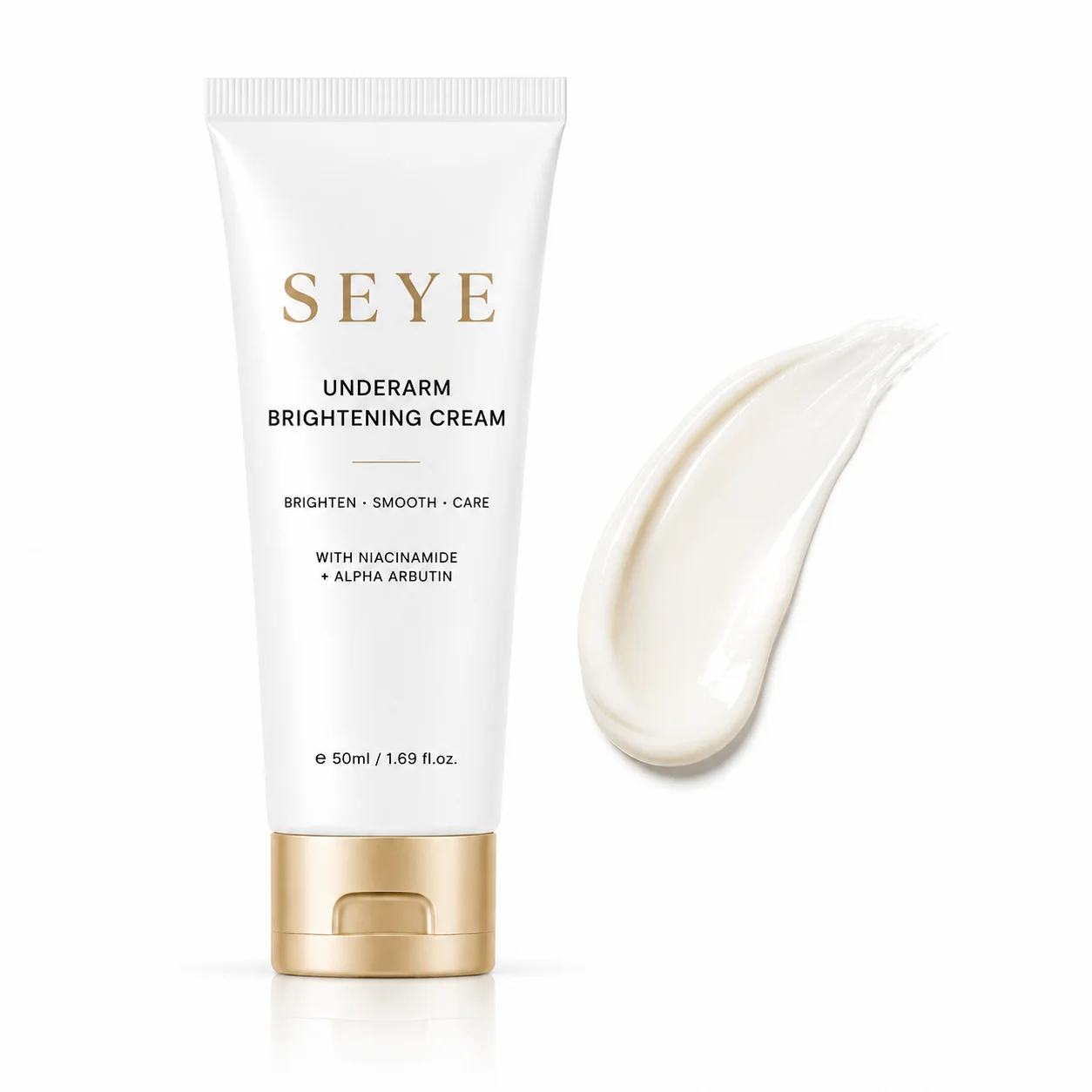
If you are evaluating the finished-product direction, start with SEYE’s Underarm Brightening Cream OEM platform. The platform gives a practical base for discussing active direction, texture, packaging, and development scope with an OEM partner.
Start With a Product Brief, Not a Single Ingredient
Niacinamide, tranexamic acid, alpha-arbutin, panthenol, ceramides, and humectants can all appear in an underarm brightening concept. Their presence alone does not create a differentiated product. A useful brief explains what role the formula should play in the customer’s routine and what the product should feel like when used consistently.
Before requesting samples, align on the target customer, intended product feel, use frequency, packaging format, active and claim direction, fragrance preference, destination markets, and the product formats it may sit beside in the range.
This approach prevents a common development problem: treating a targeted body-care product as a facial serum in a different package. The consumer use case, application area, and sensory expectations are different, so the formulation brief should be different too.
For a closer look at how ingredient evidence should inform a commercial formula decision, see How to Read Skincare Ingredient Research. It is a useful companion when deciding what an active story can—and cannot—credibly support.
Design the Texture Around Daily Use
Texture is a strategic choice for underarm care. The product needs to fit into routines where consumers may be getting dressed soon after application, using deodorant, or applying the formula after hair removal. A formula that sounds sophisticated on paper can still underperform if it leaves a heavy film, pills beneath another product, or feels mismatched to the climate and customer preference.
| Texture direction | Product experience | Suitable positioning question |
|---|---|---|
| Light cream | A familiar, cushioned daily-care experience | Does the customer want a straightforward daily moisturizer format? |
| Gel cream | A lighter, faster-feeling application | Is a fresh or warm-climate sensorial story important to the brand? |
| Rich cream | A more nourishing, comfort-led feel | Will the product be framed as an evening or recovery ritual? |
| Silky or cloud cream | A refined, premium sensorial profile | Does the brand need a more distinctive application experience? |
The right answer depends on the product’s intended market, price position, and the rest of the body-care range. Sampling should test not only the initial feel, but also spread, dry-down, layering, pack dispensing, and whether the formula still suits the intended claim and customer story.
Build a Focused Body Care System, Not an Isolated SKU
An underarm brightening cream can be launched as a hero SKU, but it becomes easier to cross-sell and explain when it sits within a coherent Body Care perspective. For example, a brand that speaks to post-workout routines, confidence-led personal care, or everyday tone-care may pair an underarm product with an exfoliating body format or a targeted spray for a different concern.
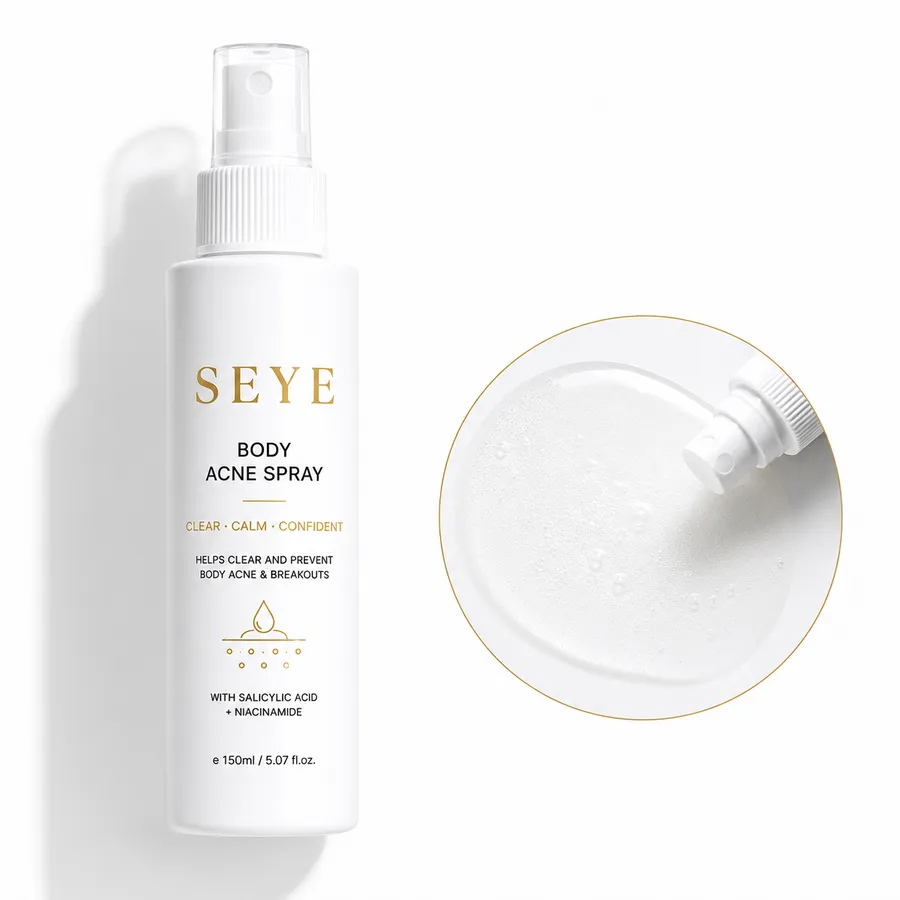
SEYE’s Body Acne Spray OEM guide demonstrates how a targeted body product can use a distinct routine, texture, and ingredient story without overloading the customer with generalized claims. The two products should not make the same promises, but they can share a clear body-care philosophy: problem-aware, routine-friendly, and supported by a thoughtful finished-product brief.
For brands assessing a broader launch architecture, the One Hero Product or Full Collection First? guide can help frame whether this product should lead the range or be introduced alongside complementary formats.
Align Claims, Packaging, and Market Readiness Early
Targeted body care often encourages ambitious marketing language. The responsible development approach is to define the claim direction early and assess it against the finished formula, supporting information, packaging design, and destination market. A formula concept, social caption, and product label should not tell three different stories.
Terms such as “brightening,” “tone-evening,” and “appearance of dark spots” may need different evidence, wording, and review depending on the market and product context. This is why the most practical time to raise compliance questions is when the formula and positioning can still be adjusted.
Read SEYE’s Cosmetic Claim Substantiation guide for a commercial introduction to matching claims with available support. Brands preparing to enter more than one market should also review the Global Compliance for Cosmetics hub before final artwork and production decisions are made.
Choose the Development Route That Fits Your Differentiation
| Development route | Best fit | Key planning focus |
|---|---|---|
| Proven platform | A focused launch that needs to move from concept to sampling efficiently | Packaging, sensory fit, and a concise positioning statement |
| Formula adaptation | A brand that needs meaningful but contained differentiation | Texture, active direction, fragrance, and product-use refinements |
| Fully custom development | A concept where formula logic is a central competitive advantage | Research scope, prototype rounds, validation, and longer planning timelines |
There is no universally “best” route. A well-chosen platform can be the most commercially intelligent start for a new brand, while a fully custom project may be appropriate when the formula itself is the reason customers choose the product. The Custom Formula Development hub outlines how to turn that decision into a more useful product brief.
Frequently Asked Questions
What should an underarm brightening cream brief include?
Include the target customer, intended product feel, use frequency, desired packaging format, active and claim direction, fragrance preference, destination markets, and the product formats it may sit beside in the range.
Can underarm cream texture be customized?
Yes. Light cream, gel-cream, rich cream, silky cream, and cloud-like textures can support different consumer routines and brand positions. The appropriate option should be sampled with the planned packaging and use context.
Should an underarm cream be launched alone or as part of a collection?
Either route can work. A single hero product is often easier to position and validate, while a collection can create a broader routine. The better choice depends on brand awareness, budget, product differentiation, and the clarity of the first consumer problem you are solving.
When should compliance planning start?
Start early in formula and claim development. Market expectations can affect labeling, documentation, claim language, packaging information, and the work required before launch.
Plan a More Useful Underarm Care Brief
An underarm brightening cream earns attention when it is easy for the intended customer to understand and easy to fit into a real routine. Start with the customer and market context, then build the formula, texture, pack, and claim direction around that decision.
To review your product concept, contact SEYE’s team with your target market, desired format, and the role you want the product to play in your Body Care range.
SEYE R&D Team
Body Care Formulation & OEM Specialists
Publication details are shown from the article record. Individual expertise, reviewer information, and review dates appear only when verified for public display.