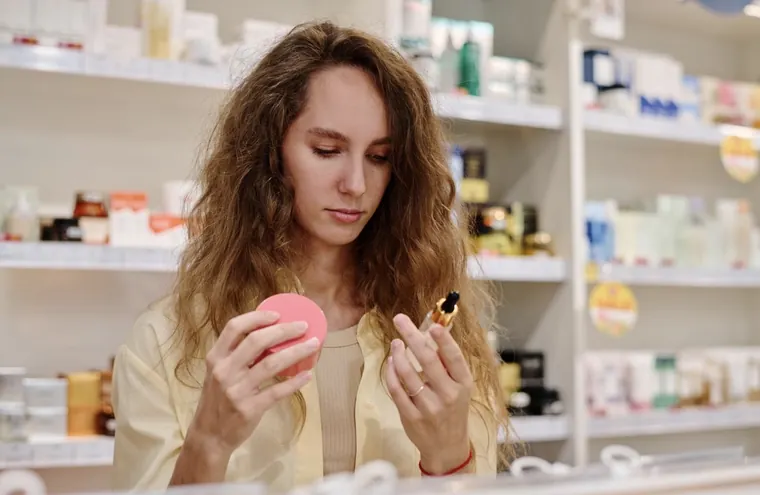
Many skincare brands struggle not because they expand too slowly, but because they expand too early. Expansion amplifies whatever already exists — trust or confusion. A four-question framework: earned trust, clear identity, repeat purchases, team capability.
Why Do Some Skincare Brands Expand Too Early?
Short Answer
Many skincare brands struggle not because they expand too slowly, but because they expand too early. Every new product adds development, inventory, marketing, and complexity — and expansion amplifies whatever already exists. If trust exists, expansion accelerates growth; if it doesn't, it accelerates confusion. So before scaling, confirm four things: earned trust, a clear brand identity, evidence of repeat purchases, and a team that can handle the complexity.
Key Takeaways
- Struggling brands often expand too early, not too slowly.
- Expansion can create complexity faster than growth — what looks like growth becomes distraction.
- The four readiness checks: trust, brand identity, repeat purchases, team capability.
- Busy brands accumulate products; growing brands accumulate loyal customers.
- Expansion amplifies what already exists — trust or confusion.
- The deciding question: are consumers asking for more, or are we assuming they will?
Why This Matters
One of the most common conversations at SEYE begins with enthusiasm: a founder arrives with a vision for an entire collection — cleanser, toner, serum, moisturizer, eye cream, sleeping mask, sunscreen. On paper it looks impressive. Yet over the years we've observed something interesting: many skincare brand projects don't struggle because they expand too slowly. They struggle because they expand too early. And that distinction significantly impacts product development, inventory, marketing efficiency, and long-term growth.
The pull is understandable, because expansion feels like progress. New products create momentum, new launches create attention, new categories create opportunities — so founders assume more products accelerate growth. Sometimes they do. But often, expansion creates complexity faster than growth, because every new product adds development, inventory, packaging, marketing, forecasting, and consumer education. What looks like growth can quietly become distraction.
Market Insights: Busy Isn't the Same as Growing
Across product development projects, many successful brands spend more time validating products than expanding them. They focus on understanding consumer demand, repeat-purchase behavior, positioning, and brand recognition before adding complexity. This approach may appear slower, yet it often creates stronger long-term outcomes — the natural follow-on to validating demand before developing products.
The deeper trap is mistaking activity for growth. Busy brands aren't always growing brands. Launching products creates activity; building consumer trust creates growth. In the short term they look similar, but over time the difference becomes obvious: one brand accumulates products, the other accumulates loyal customers — and the second is usually more valuable. Understanding why some serums generate repeat purchases while others disappear is key to building that second kind of brand.
Comparison: Expanding Too Early vs. Expanding From Strength
The same expansion decision produces very different results depending on what precedes it.
| Dimension | Expanding Too Early | Expanding From Strength |
|---|---|---|
| Trigger | Enthusiasm / assumption | Consumer demand / evidence |
| Brand identity | Unclear, gets diluted | Established first |
| Repeat purchases | Unproven | Confirmed |
| What expansion adds | Complexity & confusion | Accelerated growth |
| Team | Stretched thin | Ready for complexity |
| Net effect | Accumulates products | Accumulates loyal customers |
The Expansion Timing Framework
When evaluating expansion, SEYE considers four questions.
1. Has It Earned Consumer Trust?
Trust is one of the most valuable assets a brand can possess. A successful product creates more than sales — it creates confidence, the foundation for future expansion.
2. Is the Brand Known for Something?
Consumers remember a hero product, a category, a recognizable strength. Brands that expand before establishing a clear identity often create confusion. Establish identity first, and expansion goes more smoothly. Brands that ask the right questions before starting a private label project tend to build that identity earlier.
3. Is There Evidence of Repeat Purchases?
Repeat purchases reveal genuine market fit. Launch-day sales provide information; repeat purchases provide validation — especially for serums and other products that depend on long-term habits. Brands that understand what makes consumers remember a serum are better positioned to earn this validation.
4. Can the Team Support Complexity?
Every new product requires development, marketing, inventory, customer service, and coordination. Growth becomes difficult when complexity expands faster than capability.
Recommendations: Earn the Right to Expand
Whether developing private label products, OEM face serums, custom formulations, barrier repair collections, anti-aging lines, or sensitive-skin skincare, growth often comes from strengthening successful products before launching more:
- Strengthen the hero first — expansion amplifies what exists, so make it worth amplifying.
- Establish identity — be known for something before adding categories.
- Wait for repeat purchases — treat them as the signal that market fit is real.
- Check team capability — don't let complexity outpace capacity.
- Expand on demand, not assumption — let consumers give you permission.
Before developing another product, ask one question:
"Are we expanding because consumers are asking for it, or because we are assuming they will?"
The answer reveals whether expansion is driven by evidence or enthusiasm — and evidence usually creates better outcomes. This connects directly to why some brands develop products before validating demand — the same pattern, one step earlier in the journey. It also connects to why some brands grow faster with fewer products — focus and clarity often drive growth more effectively than a larger catalog.
OEM / ODM Development Considerations
At the product level, "expand from strength" is a sequencing and pacing decision an OEM partner can help manage:
Strengthen the hero before adding SKUs
Refining the proven product — formula, experience, consistency — often creates more value than launching new ones, and gives any future expansion something solid to build on.
Use flexible MOQ to control pace
A flexible MOQ lets a brand validate and grow without over-committing inventory across a wide range before demand is proven.
Treat repeat purchases as the go-signal
Expansion timed to confirmed repeat-purchase behavior tends to accelerate growth; expansion ahead of it tends to add complexity. The data should lead the roadmap. Understanding how successful brands build customer loyalty through serums shows what that data looks like in practice.
Match complexity to capability
With in-house R&D and ISO 22716 / GMPC production (plus FDA / EU CPNP support), new products can be added in a controlled sequence — so operational complexity never outruns the team.
Expansion will always be attractive, but the strongest companies rarely expand simply because they can — they expand because consumers have given them permission to. At SEYE, we believe sustainable growth begins with validation. Products create possibilities; consumer trust creates momentum; and momentum is what turns a skincare brand into a long-term business.
Frequently Asked Questions
Why is expanding too early a problem for skincare brands?
Early expansion adds development, inventory, marketing, and operational complexity before a brand has established trust or proven repeat purchases. This often creates distraction and confusion rather than growth, because expansion amplifies whatever already exists.
When is the right time to expand a skincare product line?
Expand once the existing product has earned consumer trust, the brand is known for something specific, there's clear evidence of repeat purchases, and the team can support additional complexity. Validation should come before expansion.
Is it better to launch one product or a full range first?
Many successful brands start narrow, establish a hero product and clear identity, then expand. This usually produces stronger positioning and trust than launching a large range before understanding demand.
How can I tell if my brand is busy rather than growing?
Busy brands accumulate products; growing brands accumulate loyal customers. If activity is rising but repeat purchases and consumer trust are not, the brand may be mistaking launches for growth. Strengthening a proven product often creates more value than adding new ones.
SEYE R&D Team
Product Development Team, SEYE Cosmetics
Publication details are shown from the article record. Individual expertise, reviewer information, and review dates appear only when verified for public display.