
GMPC certification is the gold standard in cosmetics manufacturing. Discover why it matters for your skincare brand, what it guarantees, and how to verify your manufacturer truly meets the standard.
What Is GMPC Certification?
GMPC stands for Good Manufacturing Practice for Cosmetics — the cosmetics industry's adaptation of the GMP frameworks long established in pharmaceutical manufacturing. The standard sets detailed requirements across four main areas:
Facility & Equipment: Production environments must meet defined cleanliness and contamination control requirements; equipment must be regularly maintained, calibrated, and documented.
Personnel Qualifications: Staff at all levels must be qualified for their roles and receive ongoing training in hygiene, safety, and production procedures.
Raw Material Control: Every incoming raw material must be tested and approved before use; supplier qualification programs must be maintained.
Quality Control & Testing: Finished products must be tested against approved specifications before release; stability and safety testing must be conducted systematically.
In practice, a GMPC-certified factory operates with a level of documentation discipline and process control more commonly associated with pharmaceutical production than conventional cosmetics manufacturing.
Why GMPC Certification Matters for Your Brand
Market Access
For brands targeting regulated markets — the EU, US, Australia, Canada, Japan — working with a GMPC-certified manufacturer is increasingly a practical necessity, not just a preference. Retail buyers, distributors, and regulatory authorities in these markets routinely ask for GMP compliance evidence as part of their supplier qualification process. If you're building a brand for EU market entry, GMPC certification from your manufacturer is one of the first documents you'll need.
Consumer Safety and Product Integrity
Cosmetics are applied to the skin, often daily, and often by people with sensitivities or compromised skin barriers. The risks of poorly manufactured products are real: microbial contamination, unstable actives, inadequate preservation systems. A GMPC-certified manufacturer has the systematic controls in place to minimize these risks — because the standard requires it.
Brand Credibility and Retailer Requirements
Major retail chains, department stores, and e-commerce platforms are increasingly requiring their skincare suppliers to demonstrate GMP compliance. Sephora, Boots, Ulta, and many other leading retailers conduct their own supplier audits — and a GMPC-certified manufacturing partner makes that process significantly more straightforward.
What GMPC Certification Looks Like in Practice
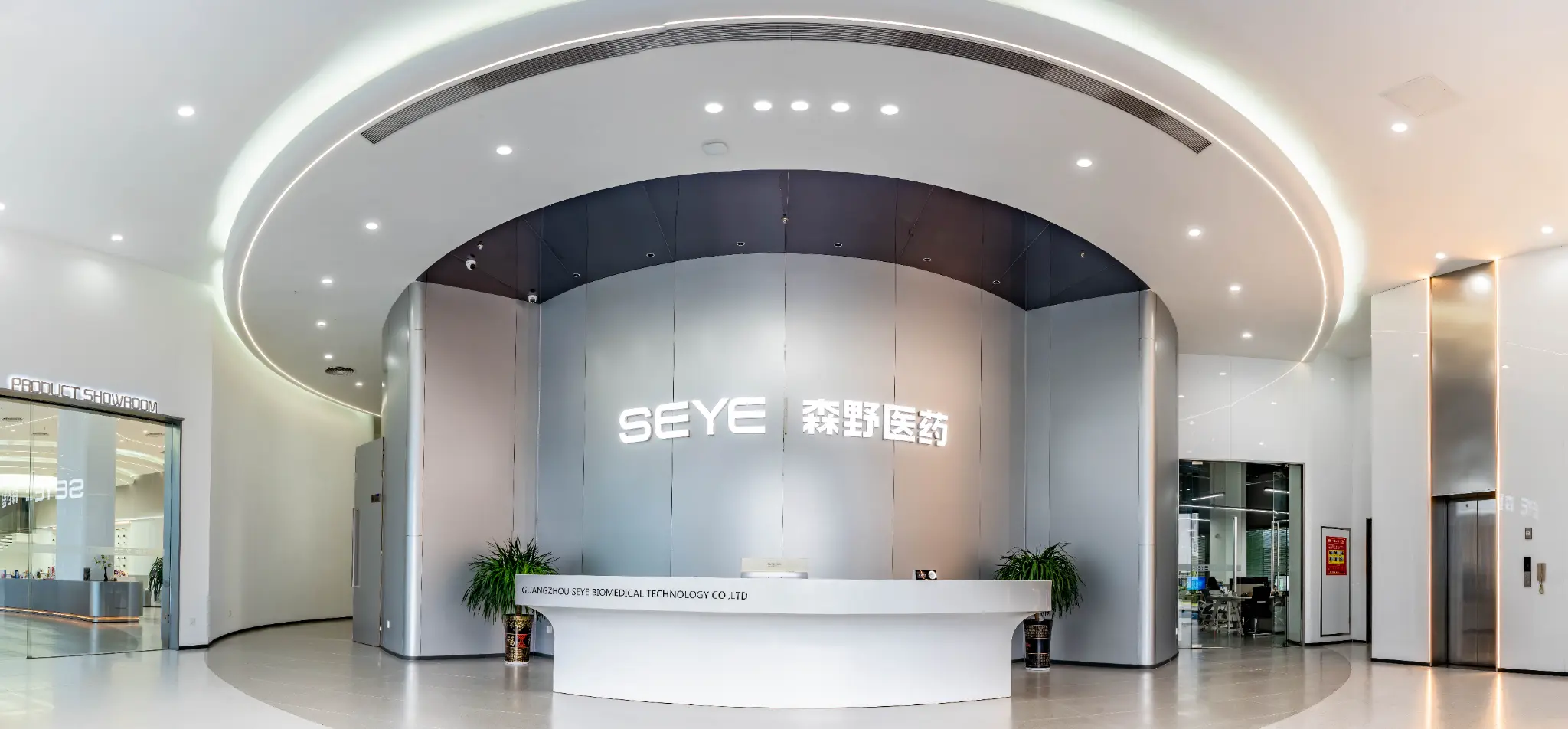
To understand what GMPC certification looks like in a working manufacturing environment, here's the quality control framework at SEYE's Guangzhou facility:
1. Pre-Production Stage: Air quality is tested every two weeks. Pure water is tested daily. Every batch of raw materials is inspected before use. The facility's two-stage reverse osmosis water treatment system ensures production water consistently meets pharmaceutical-grade purity standards.
2. Physical & Chemical Testing: Semi-finished products undergo a 72-hour hygiene index test and full inspection of physical, chemical, and sensory indicators before canning. New products go through 720-hour destructive stability tests and continuous cross-destruction tests during development.
3. Packaging Material Inspection: Before warehousing, packaging materials are randomly inspected in accordance with the GM2828 sampling plan. Before production, all packaging materials are fully inspected and subjected to specific cleaning, disinfection, and sterilization procedures.
4. Production Monitoring: Production site engineers monitor the emulsification process in real time. Quality inspectors confirm the first sample of every canning and packaging run and monitor the complete process of bottle washing, canning, and packaging.
5. Shipping Inspection: A comprehensive pre-shipment inspection of finished products is conducted before every order leaves the facility, with documentation retained for full batch traceability.
How to Verify a Manufacturer's GMPC Certification
Not all certifications are equal. When a manufacturer presents GMPC certification, it's worth verifying a few things:
- Certificate authenticity: Request the original certificate and cross-reference it with the issuing body. Certificates should display the issuing organization's name, scope, facility address, and a clear expiry date.
- Scope of certification: Confirm that the certification scope covers the specific products you intend to manufacture — some manufacturers hold GMPC for limited product categories only.
- Third-party audit access: The most credible manufacturers will welcome an independent audit by your own appointed inspector.
When you're choosing an OEM cosmetics manufacturer, verifying GMPC certification scope is one of the most important due diligence steps.
GMPC and the Broader Certification Ecosystem
GMPC is the foundation, but a well-qualified manufacturer holds a broader portfolio of complementary certifications. Look for:
- ISO 22716 — the international GMP standard for cosmetics
- FDA registration — essential for US market access
- HALAL certification — required for Muslim-majority markets
- BSCI — Business Social Compliance Initiative, required by many European retailers
- Category-specific certifications — such as children's cosmetics standards
SEYE holds all of the above, plus additional certifications from the International Anti-Aging Medicine Development Association, the World Infant Care Professionals Association, and the International Eye Care and Health Association.
GMPC certification at SEYE isn't a framed document on a wall. It's a systematic operating discipline embedded at every stage of production — backed by pharmaceutical manufacturing expertise, current production technology, and a scientific team of more than 100 researchers.
For brands serious about private label skincare EU compliance, understanding your manufacturer's certification portfolio is non-negotiable.
SEYE Editorial Team
Quality & Compliance
Publication details are shown from the article record. Individual expertise, reviewer information, and review dates appear only when verified for public display.