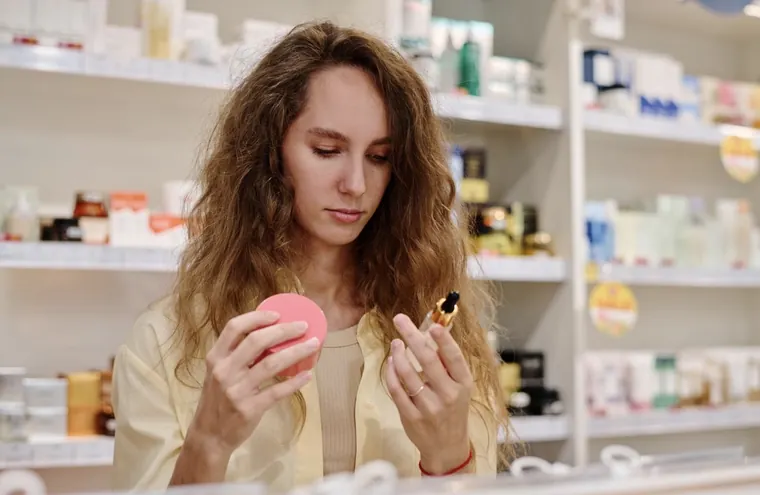
Serum stays the most requested OEM skincare category because it sits at the intersection of consumer demand and brand differentiation. It satisfies three objectives at once: consumer expectations, brand differentiation, and product innovation — and supports both premium and mass-market lines.
Why Serum Remains One of the Most Requested OEM Skincare Categories
Short Answer
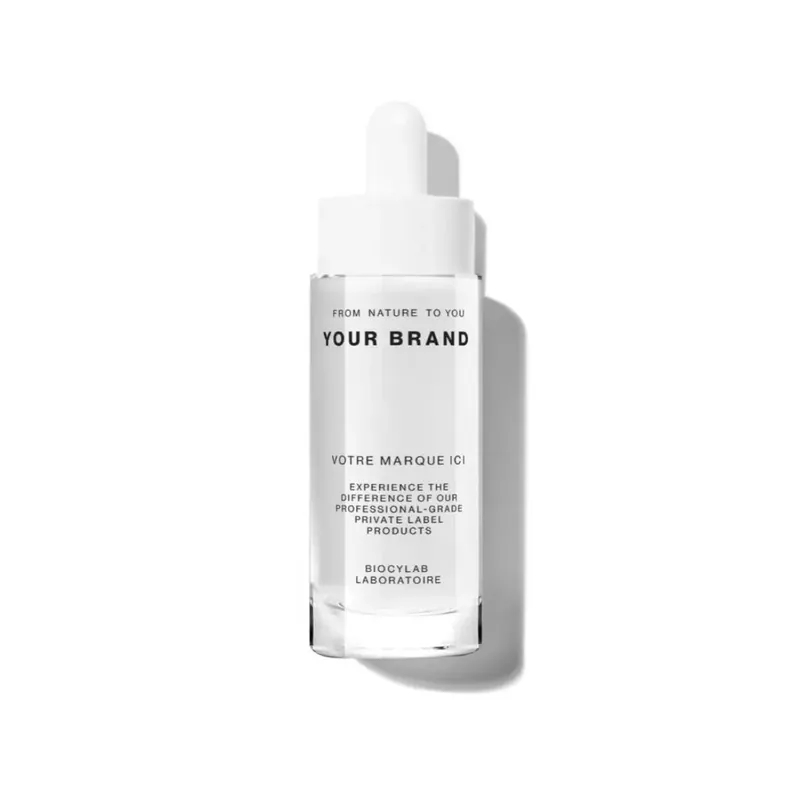
Serum stays the most requested OEM skincare category because it sits at the intersection of consumer demand and brand differentiation. It satisfies three objectives at once: consumer expectations (people see serums as the targeted solution), brand differentiation (positioning around ingredients, tech, and concerns), and product innovation (highly flexible formulation). It also supports both premium and mass-market lines — few categories offer this combination.
Key Takeaways
OEM face serum is consistently one of the most searched, most requested skincare categories. Consumers instinctively treat a serum — not a cleanser or toner — as the fix for a concern. Serums satisfy three goals at once: consumer expectations, differentiation, and innovation. Serums so often become hero products and brand symbols consumers remember. Formulation flexibility lets one category serve both premium and mass-market positioning. The deciding question: if consumers remembered one product from your brand, what would it be?
Why This Matters
Recently, while reviewing search data on the SEYE website, one keyword stood out: OEM face serum. Among all skincare OEM-related searches, it consistently remained one of the most visible and frequently searched categories. For us, this wasn't surprising. Over the years, SEYE has worked with skincare startups, established brands, clinic-owned lines, distributors, and private label businesses across Europe, North America, Australia, the Middle East, and Africa. Different markets, different consumers, different price points — yet one pattern keeps appearing: when brands begin planning new product development, the conversation often returns to serums.
The reason starts with how consumers think. When consumers experience a skincare concern, their first instinct is rarely to replace their cleanser or switch their toner — they usually look for a serum. Whether the concern is dehydration, sensitivity, uneven tone, fine lines, loss of firmness, or barrier repair, consumers view serums as the most targeted solution. Over time, this perception has become deeply embedded: consumers associate serums with expertise, precision, innovation, and visible results. That perception alone makes serums one of the most influential categories in modern skincare.
Market Insights: Why Brands Keep Starting With a Serum
Not long ago, a brand owner approached SEYE planning an entire collection — cleanser, toner, moisturizer, mask, sunscreen, and several treatments. After discussing positioning and launch strategy, the plan changed: the brand launched with one core product, a serum. The reason was simple — consumers quickly understand a serum's value, and a serum lets a brand communicate a clear story, benefit, and point of differentiation. For emerging brands, one well-positioned serum often creates stronger recognition than several average products launched at once, which is a big part of why brands build their first hero product around a serum.
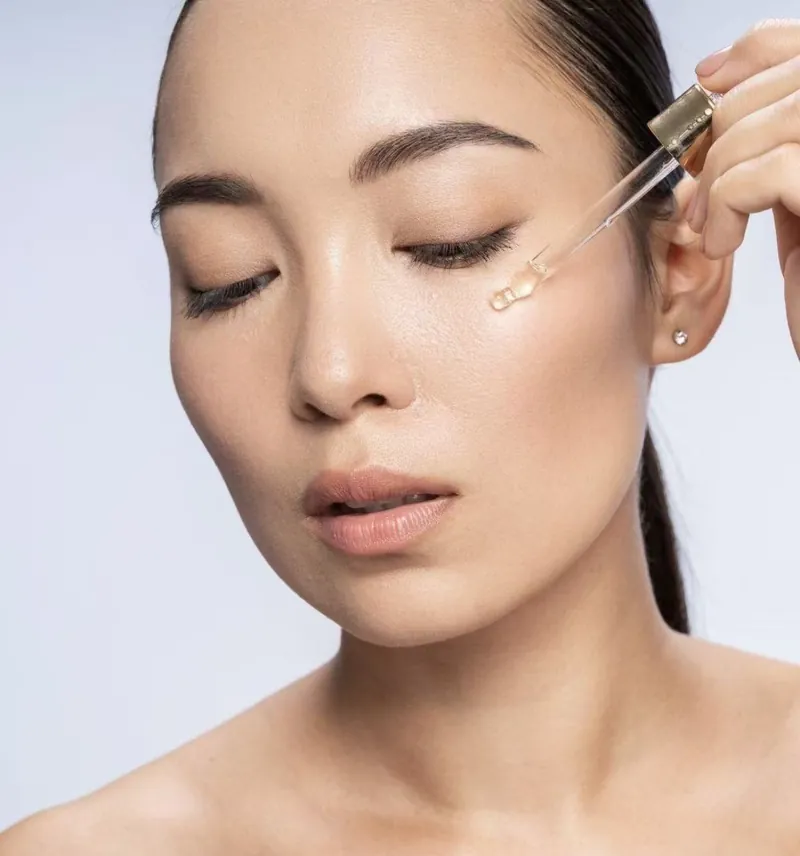
Across hundreds of discussions, SEYE has learned that the products creating attention aren't always the ones creating long-term growth — but serums have a unique advantage: they satisfy three objectives simultaneously. That combination is rare, and it's exactly why serums remain one of the most discussed categories among founders and private label brands.
Analysis: Three Objectives Serums Satisfy at Once
Most categories serve one or two of a brand's goals well. Serums are unusual in serving three at the same time.
1. Consumer Expectations
Consumers actively seek serums when looking for targeted solutions — the category already carries built-in demand and understanding, so it needs less market education.
2. Brand Differentiation
Brands build unique positioning around ingredients, technologies, textures, and skin concerns — a barrier serum, a peptide serum, and a brightening serum each tell a distinct story.
3. Product Innovation
Serums offer exceptional formulation flexibility, which keeps innovation highly active and lets development adapt to new ingredients and delivery systems.
| Priority | Serum | Many Other Categories |
|---|---|---|
| Consumer understanding | Seen as the targeted solution | Often seen as maintenance |
| Differentiation | High (ingredients, tech, concern) | Harder to stand out |
| Formulation flexibility | Very high | More limited |
| Price positioning | Premium and mass-market | Usually narrower |
| Hero-product potential | Strong | Variable |
Serums also tend to become hero products: consumers remember the peptide serum, the barrier repair serum, the brightening serum, the hydration serum. Over time these become more than formulations — they become brand symbols. A successful serum creates something every brand seeks: recognition. Understanding what makes consumers remember a serum is central to building that kind of lasting brand equity.
Recommendations: Make the Serum the Product You're Known For
The most useful question isn't "which serum should I develop?" It's: "If consumers remembered one product from your brand, what would it be?"
For many successful companies, the answer isn't an entire range — it's one product, one solution, one hero item. Increasingly, that product is a serum. Understanding what makes a face serum suitable for private label is the starting point for building that kind of brand asset.
OEM / ODM Development Considerations

From an OEM perspective, serum development offers several strategic advantages worth building on:
A category consumers already understand. Because demand and understanding are built in, a serum launch faces less market-education friction than a less familiar category.
Wide positioning and active innovation. Brands can position serums around a broad range of concerns, and formulation innovation stays highly active — useful for hydration, barrier repair, peptide, brightening, anti-aging, and sensitive-skin lines alike.
Premium and mass-market flexibility. The same category can anchor a luxury peptide line or an accessible everyday hydration line — and what makes one truly suitable is covered in what makes a serum right for private label.
Development, stability, and compliance across concerns. With in-house R&D, stability testing, and regulatory documentation (ISO 22716 / GMPC, FDA, EU CPNP), a custom serum can be developed reliably across every major concern and market.
The industry will keep introducing new ingredients, technologies, delivery systems, and trends. But beneath those changes, consumer behavior stays remarkably consistent: consumers keep searching for products that solve specific problems, and brands keep searching for products that create differentiation. Serums sit at the intersection of both needs. At SEYE, we believe successful serum development isn't simply about following ingredient trends — it's about understanding consumers, identifying meaningful opportunities, and creating products people genuinely want to use again and again.
Frequently Asked Questions
Why is serum one of the most requested OEM skincare categories? Serums satisfy consumer expectations, brand differentiation, and product innovation at once. Consumers see serums as targeted solutions, brands can position them around many concerns, and formulation is highly flexible, supporting both premium and mass-market lines.
Why do so many brands launch with a serum first? A serum communicates a clear story, benefit, and point of differentiation that consumers understand quickly. For emerging brands, one well-positioned serum often builds stronger recognition than several average products launched together.
Can SEYE develop a custom OEM or private label serum? Yes. SEYE develops custom serums across hydration, barrier repair, peptide, brightening, anti-aging, and sensitive-skin categories, with in-house R&D, stability testing, and regulatory documentation under ISO 22716 and GMPC standards.
Does a serum work for both premium and mass-market brands? Yes. Serum formulation is flexible enough to support both premium and mass-market positioning, which is one reason it's so widely requested in OEM. The same category can anchor a luxury peptide line or an accessible everyday hydration line.
SEYE R&D Team
Product Development Team, SEYE Cosmetics
Publication details are shown from the article record. Individual expertise, reviewer information, and review dates appear only when verified for public display.