The Question That Started Everything
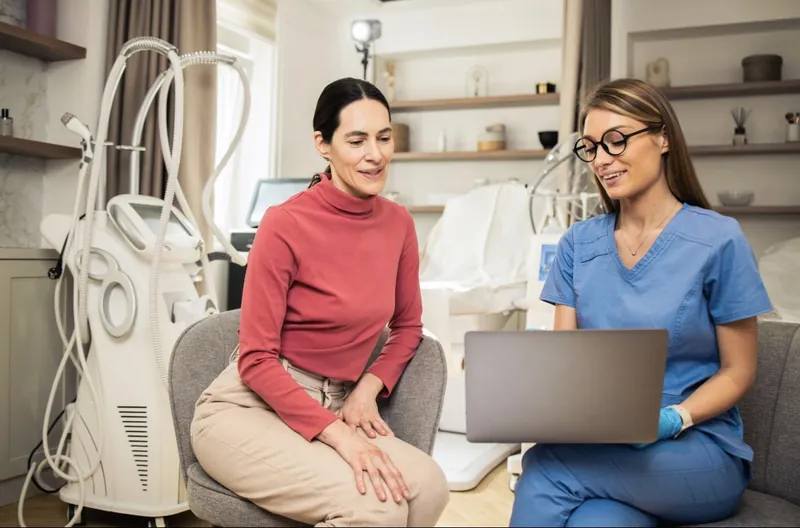
Not long ago, a client visited SEYE to discuss her skincare brand.
She had been working in the beauty industry for several years.
She understood formulation basics.
She had launched products before.
But she asked me something I had not expected.
"Why do products that worked perfectly for me at thirty feel completely different now that I am fifty?"
It was a simple question.
But it made me stop and think.
Because the honest answer is more complex than most product descriptions acknowledge.
What Changes As Skin Ages?
As we get older, several natural changes occur.
Collagen production gradually declines.
Skin hydration levels decrease.
Oil production becomes lower.
The skin barrier often becomes more fragile.
As a result, products that once worked perfectly may no longer perform the same way.
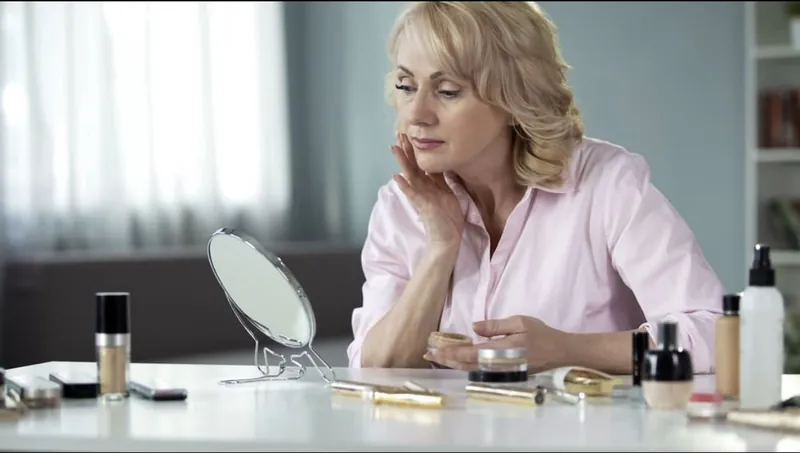
A foundation that looked flawless at age thirty may begin separating after only a few hours at age fifty.
Many consumers assume the makeup is the problem.
But in reality, the condition of the skin underneath often plays a much bigger role.
Healthy-looking makeup usually begins with healthy-looking skin.
A Market Opportunity Many Brands Are Overlooking
One of the interesting things we have noticed at SEYE is that many skincare brands are focused on trends.
Exosomes. PDRN. Copper Peptides. Advanced delivery systems. New technologies.
These innovations are exciting.
But while everyone is looking for the next trend, a large consumer group is often overlooked.
Women over forty. Women over fifty. Women experiencing hormonal changes.
Women whose primary concern is not looking twenty again — but looking healthy, rested, and comfortable in their own skin.
This consumer group is growing globally. They have purchasing power. They are loyal customers when they find products they trust.
An Observation That Changed How I Think About Product Development
Over the years, I have occasionally shared products with women who complained about makeup separation, dryness, or uncomfortable skin.
The feedback was surprisingly consistent. They rarely said: "My wrinkles disappeared." Instead, they would often say:
"My skin feels smoother."
"My makeup looks better."
"My skin stays comfortable all day."
"I don't feel dry in the afternoon anymore."
Those comments taught me something important. For many mature consumers, skincare is not only about reversing age. It is about improving daily skin experience. And that is a completely different product development philosophy.
What If Mature Skin Consumers Are Looking for Something Different?
Many skincare brands continue to focus on dramatic claims. But mature consumers often value something much simpler: comfort, hydration, skin stability, and long-lasting skin support.
This is one reason we are seeing growing interest in barrier repair creams, long-lasting moisturizers, mature skin hydration products, and skincare designed to improve overall skin quality.
These categories may not always be the loudest trends on social media. But they address real needs that exist every single day.
A Different Way to Think About Your First Skincare Product
Many founders ask SEYE: "What product should I launch first?"
The answer often depends on the customer they want to serve. If your target audience is women over forty or fifty, it may be worth asking a different question: what is the biggest frustration they face every day?
In many cases, it is not wrinkles. It is not pigmentation. It is feeling that their skin no longer behaves the way it used to. And brands that understand this reality may discover opportunities that others overlook.
Why Mature Skin May Become One of the Most Important Categories of the Next Decade
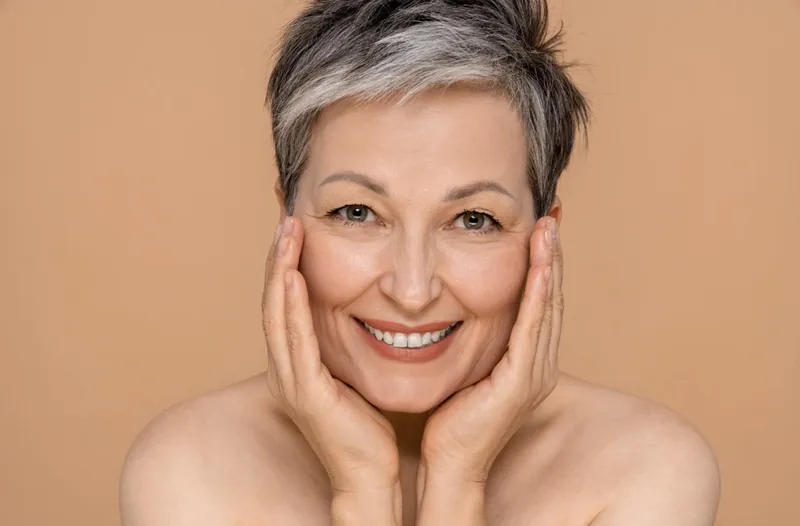
The global population is aging. Consumers are living longer. And more women are looking for products that support healthy skin through different life stages.
This is not simply an anti-aging opportunity. It is a skin health opportunity.
At SEYE, we believe this shift will continue shaping skincare product development in the years ahead. Because consumers are increasingly moving away from chasing unrealistic promises — and toward products that help them feel comfortable, confident, and healthy in their own skin.
Perhaps that is why the future of skincare is not only about looking younger. It is about helping skin perform better, feel better, and stay healthier for longer.