Last year, a skincare entrepreneur from Europe contacted SEYE with a question that many first-time brand owners eventually face.
He had a clear vision for his brand. He had done his research. He had a budget ready.
But he could not decide where to start.
Should he launch a face cream? Or should he launch a serum?
It seemed like a simple question. But as we talked through his goals, his target market, and his brand positioning, it became clear that the answer was more nuanced than he expected.
This article shares what we told him — and what we have learned from working with hundreds of skincare brands over the years.
Why This Decision Matters More Than Most Founders Realize
Your first product is more than just a product. It is a statement about what your brand stands for.
It communicates your brand values to your first customers. It shapes how retailers, distributors, and influencers perceive your brand. It determines your initial production budget and cash flow. And it sets the foundation for every product you launch afterward.
Getting this decision right does not guarantee success. But getting it wrong can make the early stages of building a brand significantly harder.
Understanding the Difference Between Face Creams and Serums
Before we discuss which to launch first, it helps to understand what makes these two product types different from a formulation and consumer perspective.
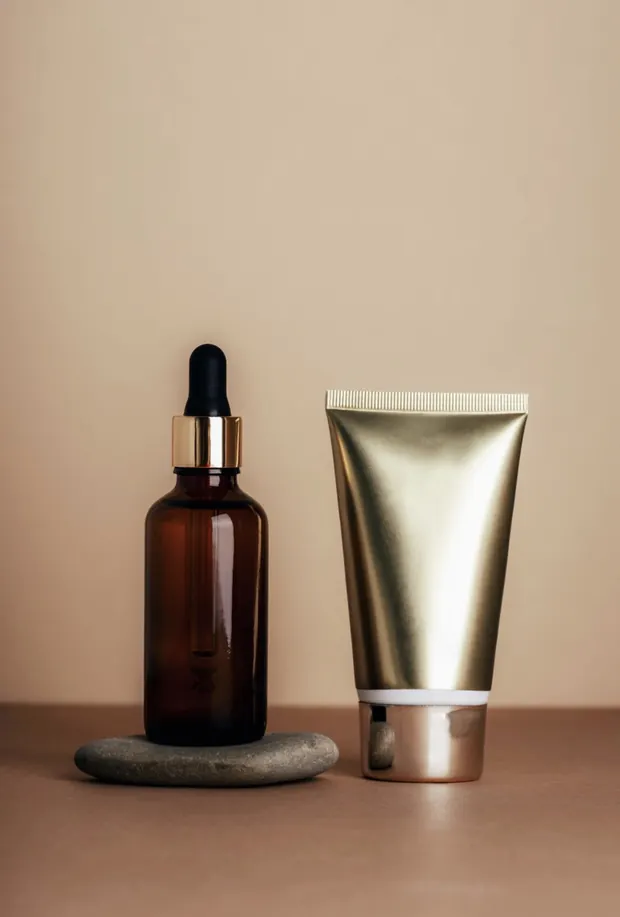
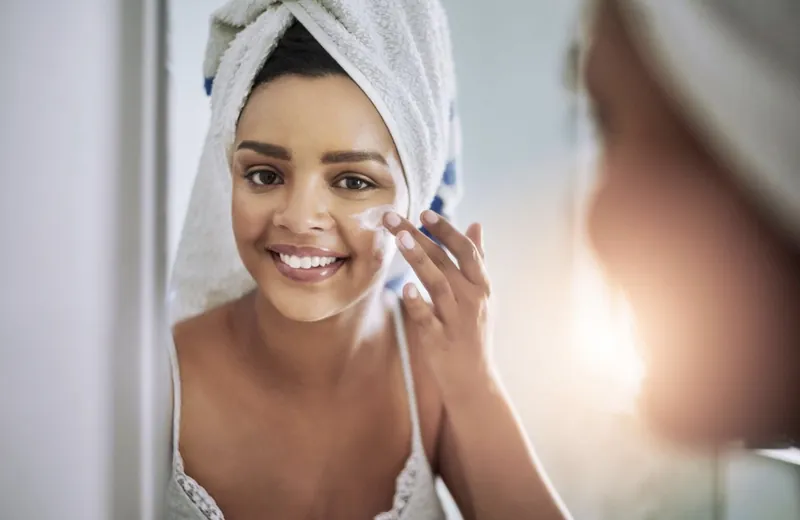
Face creams are emollients. Their primary function is to moisturize, protect, and support the skin barrier. They are typically used as the final step in a skincare routine. They appeal to a broad range of consumers because almost everyone needs daily moisturization.
Serums are concentrated treatments. They are designed to deliver specific active ingredients — such as Vitamin C, Niacinamide, Retinol, Hyaluronic Acid, or Peptides — into the skin at higher concentrations than a typical moisturizer. They are used before a moisturizer and are often marketed around a specific skincare concern.
Both categories are large, growing, and highly competitive. But they attract different consumers and require different marketing strategies.
The Case for Launching a Face Cream First
In our experience, face creams are often the better starting point for new skincare brands. Here is why.
Face creams have broad consumer appeal. Almost everyone uses a moisturizer. This means your potential customer base is larger from day one.
Face creams tend to have longer shelf lives. Many serums — especially those containing Vitamin C or Retinol — are sensitive to oxidation and require careful packaging and storage. Face creams are generally more stable, which simplifies logistics and reduces product waste.
Face creams are often easier to position. A well-formulated ceramide cream, a barrier repair moisturizer, or a hydrating daily cream can be positioned for multiple skin types and concerns. This flexibility makes it easier to find your first customers.
Face creams generate repeat purchases. A good moisturizer becomes part of a consumer's daily routine. This creates consistent repurchase behavior, which is essential for building a sustainable brand.
For these reasons, barrier repair creams, ceramide creams, and hydrating moisturizers have become popular starting points for many emerging skincare brands.
The Advice We Gave Our Client
Going back to the client we mentioned earlier, we did not immediately recommend a product.
Instead, we asked several questions.
Who are your target customers? What are their biggest skincare concerns? Which products do they already use every day? Why would they choose your brand over others?
After discussing his target market, we discovered that his ideal customers were primarily dealing with dry skin, sensitive skin, seasonal irritation, dehydration, and weakened skin barriers caused by stress, climate, or overuse of active ingredients.
Based on this information, our recommendation was clear. Start with a face cream. More specifically, a barrier repair cream. Not because face creams generate higher margins. Not because face creams are easier to manufacture. But because it directly addressed the needs of his target audience.
Several months later, that product became one of the core products in his brand's lineup.
When Is It Better to Launch a Serum First?
Although we often recommend face creams, there are situations where serums make more sense.
For example: when a brand wants to build around a hero ingredient; when the marketing strategy is heavily focused on social media; when the brand is targeting younger consumers; when rapid product differentiation is important; or when the brand is built around a specific skincare concern.
In these situations, a serum can often communicate its value proposition faster than a moisturizer. Consumers immediately understand concepts such as Vitamin C for brightening, Niacinamide for balancing skin, or Peptides for anti-aging. For certain business models, that clarity can be extremely valuable.
When Is It Better to Launch a Face Cream First?
Based on our experience working with skincare brands worldwide, we often recommend face creams when: the budget is limited; the brand is focused on long-term growth; the target audience includes sensitive skin consumers; customer retention is a priority; or the founder plans to expand into a complete skincare range later.
Face creams are among the most stable categories in skincare. Unlike some trending ingredients that rise and fall in popularity, moisturizers continue to serve a fundamental consumer need. A well-positioned face cream can remain relevant for years. For new brands, that stability can be a major advantage.
What Would We Recommend If the Budget Is Only $5,000?
This is another question we hear frequently. Many founders believe they need a full skincare line before launching. In reality, that is rarely necessary.
In most cases, we would rather help a client create one outstanding product than five average products. A well-formulated ceramide cream, a barrier repair moisturizer, or a hydration-focused daily cream often has a higher chance of building customer trust than a large collection of products without a clear identity.
Once the first product gains traction, brands can gradually expand into serums, cleansers, sunscreens, and additional categories. This step-by-step approach is how many successful skincare brands began.

So, Which Is the Right Choice?
The truth is that there is no universal answer. The real question is not whether a face cream is better than a serum. The real question is: what does your customer actually need?
If your audience is looking for highly targeted solutions and ingredient-driven products, a serum may be the right starting point. If your audience values hydration, skin comfort, barrier support, and daily skincare essentials, a face cream may offer a stronger foundation.
At SEYE, we have worked with skincare brands across Europe, the Middle East, Australia, Africa, and North America. Different markets have different preferences. But one thing remains consistent: the brands that succeed are not always the ones that launch the trendiest product. They are the ones that launch the product that best solves a real customer need.
Your first product may not determine how large your brand becomes. But it often determines whether your brand gets the chance to grow at all. That is why the decision deserves careful consideration.