
China's leading cosmetics factories have undergone a significant technological transformation — investing in automation, intelligent QC, and pharmaceutical-grade precision. Here's what it means for brand quality and supply chain reliability.
The Four Pillars of Smart Cosmetics Manufacturing
China's leading cosmetics factories have undergone a significant technological transformation over the past decade, investing in automation, intelligent quality control, pharmaceutical-grade production environments, and data-driven process management. For brand owners sourcing from China, this shift matters enormously — it's a fundamental difference in quality consistency, batch traceability, contamination control, and the capacity to scale without sacrificing standards.
Full Automation — Fully automatic production lines eliminate human variability in filling, capping, labelling, and packaging, delivering consistent output at scale.
Intelligent QC — Barcode-driven error correction, real-time process monitoring, and multi-stage automated inspection replace manual quality checkpoints.
Precision Environment — Pharmaceutical-grade cleanrooms, advanced water purification, and real-time environmental monitoring protect product integrity at every stage.
Digital Traceability — Complete digital batch records — from raw material receipt through finished product release — enable full supply chain transparency and rapid issue resolution.
Intelligent Error Correction in Production
One of the most meaningful technology advances in premium cosmetics manufacturing is the deployment of intelligent error-correction systems in the raw material weighing and batching process. SEYE's Guangzhou facility employs Haohan Control Technology's error-correction system — a sophisticated barcode-driven process management platform that fundamentally transforms how formulas are executed on the production floor.
The process works as follows: the production formula is reviewed and stored in the central computer system. Before any raw material is weighed, its barcode is scanned and verified against the formula specification. After passing verification, each ingredient is weighed to specification and automatically marked for full traceability. The central control quality inspection team then checks colour, shape, and quantity before materials proceed to emulsification. Each material addition during emulsification is scanned with the error-proofing barcode system before being added to the batch.
This level of barcode-driven process control is standard practice in pharmaceutical drug manufacturing. For cosmetics, it represents a genuine quality advantage over factories that still rely on manual checking and operator judgment at critical production steps.
Pharmaceutical-Grade Environmental Control
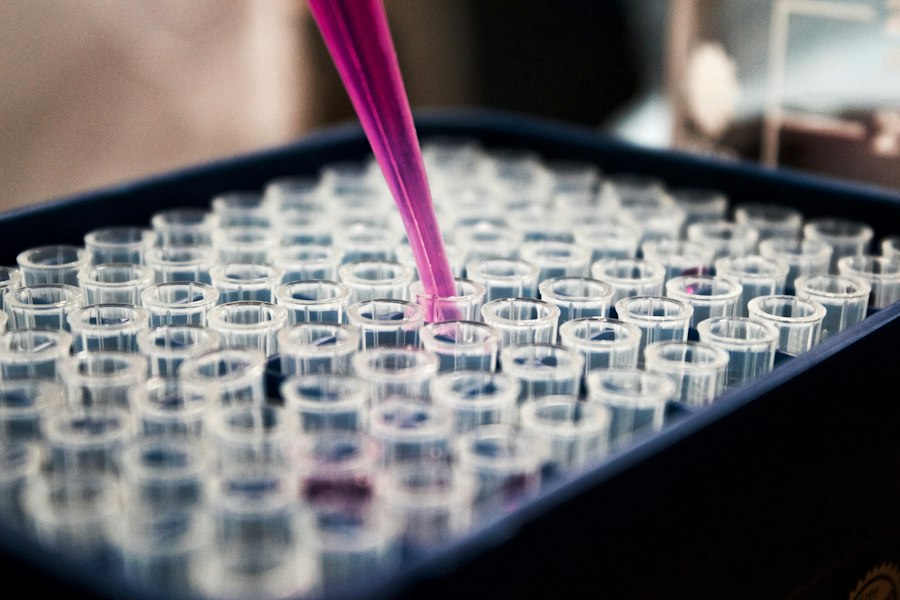
SEYE operates a 100,000-level purification R&D and production environment as the baseline standard — equivalent to ISO Class 8 cleanroom conditions. For freeze-dried products, which are manufactured without preservatives, SEYE operates a dedicated 100-level canning workshop — equivalent to ISO Class 5, the classification used for injectable pharmaceutical manufacturing.
Water quality is equally critical. SEYE employs a two-stage reverse osmosis water treatment system incorporating EDI (electrodeionization) technology, producing water with conductivity ≤2µs/cm (pharmaceutical grade), pH 6.5–7.5, and continuous automatic circulation sterilization. Pure water quality is tested daily; air quality every two weeks; every batch of raw materials is inspected before use.
Automated Production Capacity at Scale
SEYE operates 26 fully automatic production lines and 24 sets of fully automatic emulsifying equipment, with emulsifying pots ranging from 30kg to 5,000kg. Daily production capacity includes 30+ tons of cream and ointment, 1,000,000+ sheet masks, and 100,000+ freeze-dried powder bottles.
This range of emulsification capacity is particularly significant — smaller pots allow for efficient development batches and small commercial runs, while the largest pots enable mass production at the volumes required by established brands or high-velocity social commerce launches.
What Smart Manufacturing Means for Your Brand
Consistent Quality Across Every Batch — When the production process is governed by automated systems rather than manual procedures, the variability that creeps into conventionally manufactured products — batch-to-batch differences in texture, colour, fragrance, and active ingredient concentration — is systematically eliminated.
Supply Chain Reliability — Automated production lines with real-time process monitoring are more reliable than manual production. For brand partners, this translates into more dependable lead times, fewer production delays, and greater confidence in supply chain planning.
Scalability Without Quality Compromise — Smart manufacturing facilities can scale up production significantly without the quality degradation that manual production processes typically experience under surge conditions, because quality controls are built into automated systems.
Full Traceability for Regulatory Compliance — The digital batch records generated by a smart manufacturing system provide the complete traceability documentation that regulators and major retailers increasingly require. Learn more about our certifications and compliance standards.
Since its founding, SEYE has pursued a clear vision: to become a leader in the intelligent manufacturing of technological skincare. Our Guangzhou facility — spanning over 80,000 square meters, operating under GMPC certification, and equipped with pharmaceutical-grade automation and intelligent error-correction systems — is the physical embodiment of that vision.
Ready to experience smart manufacturing firsthand? Contact SEYE's team to arrange a virtual or in-person facility tour. You may also want to explore our freeze-dried skincare manufacturing capabilities or review the top questions to ask before partnering with a Chinese manufacturer.
SEYE Manufacturing Team
Head of Smart Manufacturing
Publication details are shown from the article record. Individual expertise, reviewer information, and review dates appear only when verified for public display.