Barrier repair creams have become the most-requested private label product of 2026. Discover why this category is growing, which ingredients matter, and how to launch your own formulation with a trusted OEM partner.
Three years ago, startup skincare brands were racing to launch Vitamin C serums.
Two years ago, niacinamide took over — it seemed like every new brand needed one.
Today, the most common inquiry we receive at SEYE is something different. It's not a serum. It's not a toner. It's a cream.
Specifically: a barrier repair cream.
Whether the request comes from a first-time entrepreneur in Europe, a beauty clinic owner in the Middle East, a distributor in Australia, or an emerging brand in North America, the question is almost always the same:
"Can you help us develop a moisturizer that genuinely supports the skin barrier?"
This shift didn't happen overnight. It reflects a deeper change in how consumers understand skincare — and a real commercial opportunity for brands ready to move with it.
The Consumer Shift That's Driving Demand
The modern skincare consumer is more ingredient-literate than ever before.
Terms like ceramides, panthenol, and skin barrier function — once confined to dermatology consultations — now appear regularly in TikTok comments, Reddit skincare forums, and beauty publication headlines. Consumers are no longer simply chasing brightness or speed. They're asking: is this product actually good for my skin long-term?
Part of what's driving this shift is overexposure. Over the past several years, retinol, exfoliating acids, and high-strength brightening actives went mainstream. Many consumers embraced them enthusiastically — and then experienced the consequences: increased sensitivity, persistent dryness, and a compromised skin barrier.
Environmental factors compound the problem. Urban pollution, air conditioning, changing climates, and chronic lifestyle stress all place ongoing demands on the skin barrier. The result is a growing consumer segment actively looking for products that restore, protect, and maintain skin health — not just products that deliver dramatic short-term results.
Barrier repair creams sit squarely at the intersection of this demand.
Why This Category Works Strategically for New Brands
One of the most common questions we receive from startup founders is: "Which product should we launch first?"
Our answer, for many business contexts, is a barrier repair cream. Here's why it makes strategic sense:
- ✦Universal market fit. Almost every skincare routine — regardless of skin type, age, or geography — includes a moisturizer. A well-positioned barrier repair cream isn't a niche product; it's a daily essential.
- ✦Multiple positioning angles. The same core formulation can be positioned for sensitive skin, post-treatment recovery, anti-aging routines, dry skin relief, or general daily hydration — giving you flexibility to reach multiple audience segments.
- ✦Long-term retention potential. Unlike trend-driven products, barrier repair creams address a chronic need. Customers who find a formula they trust repurchase consistently — exactly what a growing brand needs.
- ✦Accessible regulatory entry point. Compared to complex actives-led formulations, barrier repair creams are relatively stable and well-understood by regulators across the EU, US, and most major markets — making them a lower-risk first product.
Key Ingredients and What They Bring to Your Formula
Ingredient selection is where brand differentiation begins. These are the most commonly requested actives in barrier repair formulations — and the commercial logic behind each one.
Most successful barrier repair formulations combine three to five of the ingredients below — balancing efficacy, consumer name recognition, and cost of goods. The combination matters as much as the individual actives.
- ✦Ceramides — The most-requested ingredient by name. Consumers recognize and trust ceramides for barrier support and moisture retention, making them a strong marketing asset as well as a functional one.
- ✦Panthenol (Vitamin B5) — Valued for its dual action: deep hydration and soothing of irritation. A reliable workhorse for sensitive skin positioning.
- ✦Hyaluronic Acid — A category staple. Its moisture-binding properties are well understood by consumers, and its inclusion helps meet ingredient expectations for a premium moisturizer.
- ✦Squalane — Improves skin softness with a lightweight, non-greasy finish. Particularly useful for formulations targeting combination skin or warmer-climate markets.
- ✦Centella Asiatica Extract — The go-to for calming formulations. Strongly associated with sensitive and reactive skin care, and increasingly recognized by consumers worldwide.
- ✦Peptides — Add a premium tier. For brands targeting higher price points or anti-aging positioning, peptide inclusion strengthens scientific credibility and perceived product value.
Four Product Concepts to Consider
Not all barrier repair creams are the same. The right concept depends on your target audience, pricing strategy, and brand positioning.
| Product Concept | Target Consumer | Positioning |
|---|---|---|
| Ceramide Barrier Cream | Sensitive & dry skin consumers | Foundational / mass-premium |
| Lightweight Daily Moisturizer | Younger consumers, combination / oily skin | Everyday essential, gel-cream texture |
| Overnight Recovery Cream | Dry or mature skin | Intensive care, premium pricing |
| Peptide Barrier Repair Cream | Anti-aging focused consumers | Hero SKU, high-end positioning |
Choosing the right concept early shapes every downstream decision — from formulation to packaging to marketing message. The good news is that all four concepts share a common manufacturing foundation, which means switching between them during development is straightforward.
Packaging Options for Private Label Barrier Creams
Packaging decisions affect perceived value, formula protection, and practical performance. These are the three most common formats chosen by private label brands:
- ✦Airless Pump — Increasingly popular among premium and mid-range brands. Protects the formula from oxidation and contamination, extends shelf life, and delivers a modern, hygienic user experience. Preferred in European and Middle Eastern markets.
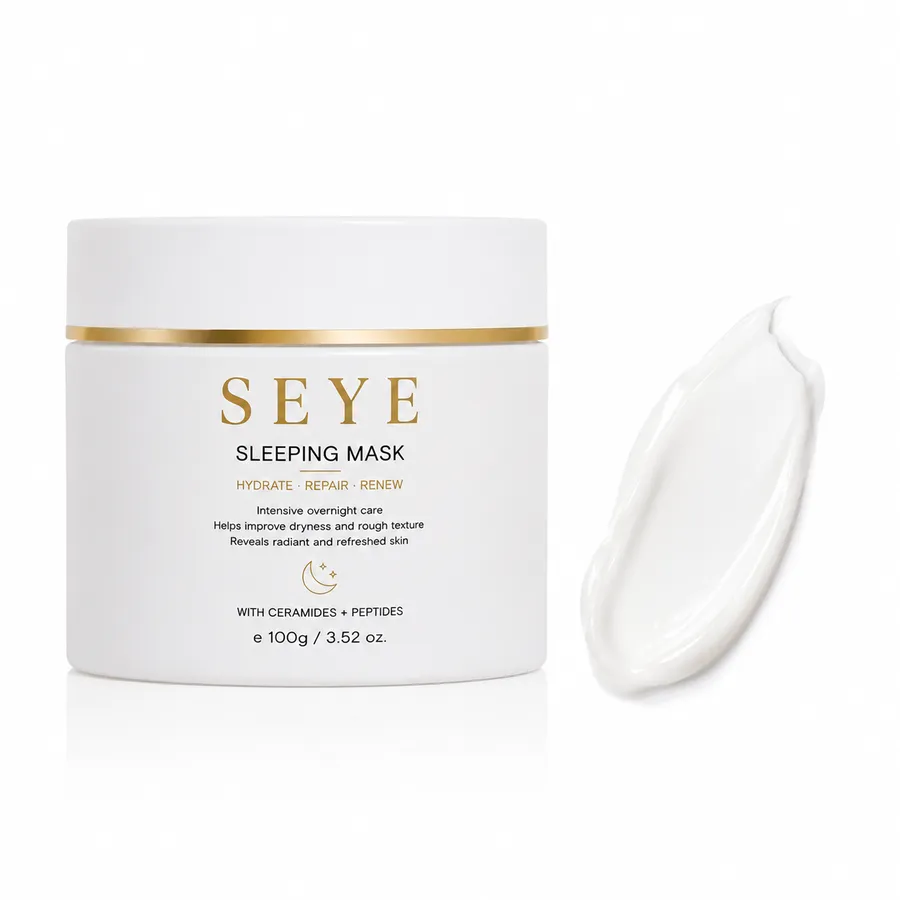
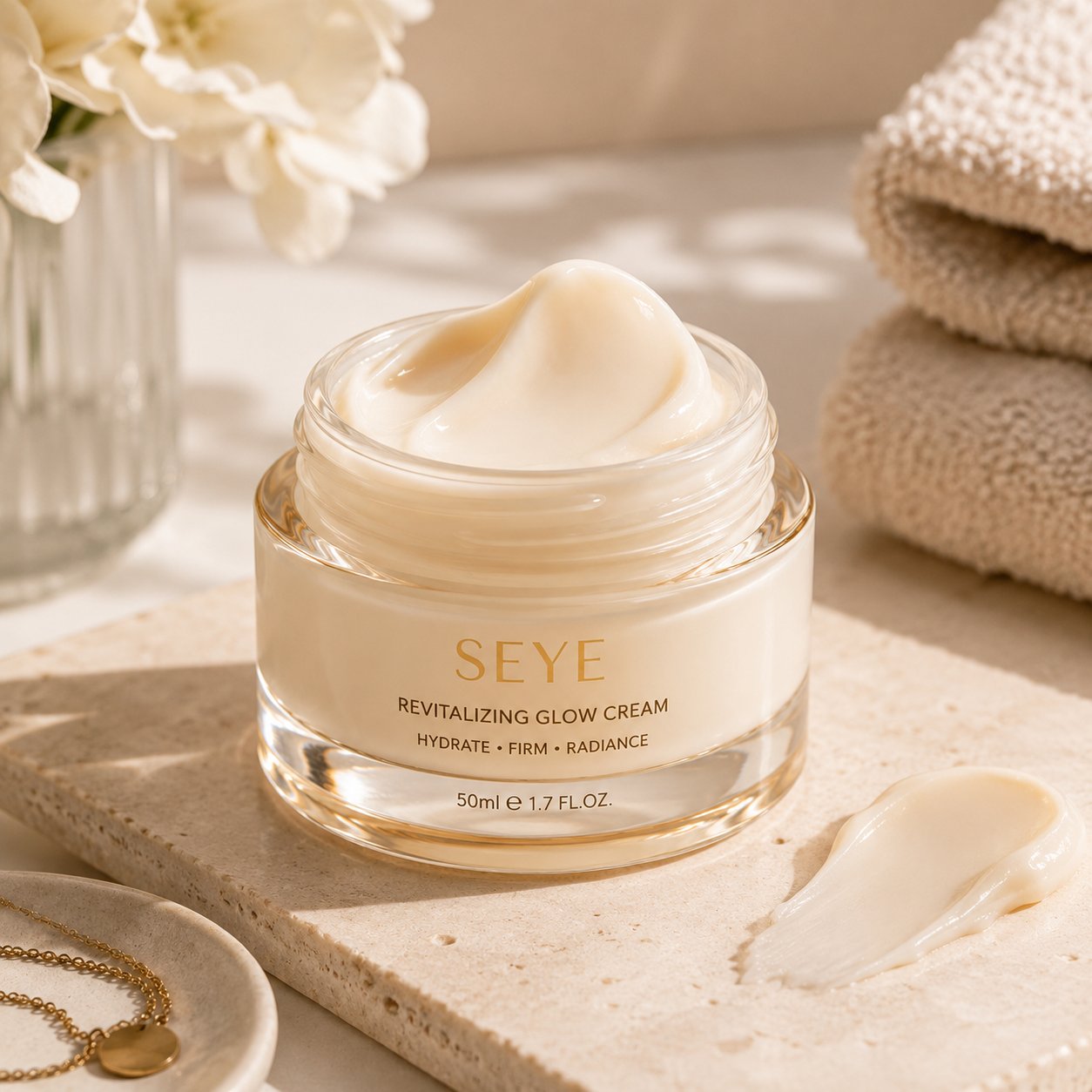
- ✦Frosted Jar — The choice for luxury positioning. A frosted glass or high-quality acrylic jar creates an immediately premium visual impression on shelf and in unboxing content. Works especially well for overnight creams and rich, thick textures.
- ✦Soft Tube — Cost-effective, practical, and travel-friendly. A strong choice for brands prioritizing accessibility or planning retail distribution where unit economics matter.
The right packaging format isn't just an aesthetic decision — it signals your brand's price tier and target customer from the moment someone picks up the product.
MOQ and Production Timeline
Minimum Order Quantities
For standard private label formulations, MOQ starts from 500 units — well-suited for initial market testing and brand validation. For fully customized packaging and bespoke formulations, MOQ is typically 1,000 units or above.
Most successful skincare brands begin with a smaller run, gather genuine customer feedback, and then scale production once demand is confirmed. This approach significantly reduces inventory risk in the early stages.
Production Timeline
| Stage | Typical Duration |
|---|---|
| Sample development | 5 – 7 days |
| Packaging confirmation | 7 – 15 days |
| Mass production | 25 – 35 days |
| Total estimated lead time | ~6 to 8 weeks |
Planning this window in advance is one of the most effective ways to avoid launch delays. Brands that confirm packaging and formulation decisions early consistently hit their target launch dates.
What to Look for in a Manufacturing Partner
Not all manufacturers are equally equipped to support a growing skincare brand. Beyond production capacity, look for:
- ✦Formulation expertise — Can they advise on ingredient combinations, stability, and market-specific requirements?
- ✦Packaging flexibility — Do they work with multiple packaging formats, or are you limited to a narrow catalogue?
- ✦Quality certifications — GMPC and ISO 22716 are the baseline standards for professional cosmetics manufacturing. Ask to see current certificates.
- ✦International compliance experience — A manufacturer with active clients in the EU, US, and Middle East will understand the documentation and labelling requirements these markets demand.
- ✦Post-launch support — Can they support formula adjustments based on market feedback? Will they still be reachable six months after your first order ships?
A manufacturing partner who can answer these questions clearly — and back their answers with documentation — is worth significantly more than one competing purely on unit price.
Is a Barrier Repair Cream the Right Product for Your Brand?
If your target customers experience dryness, sensitivity, redness, or general skin stress — and if you're looking for a product with genuine market depth, strong repeat-purchase potential, and flexible positioning — a barrier repair cream deserves serious consideration.
The category's growth isn't a short-term spike. It reflects a lasting shift in what consumers want from skincare: products that genuinely support skin health, not just products that make claims.
Ready to Develop Your Barrier Repair Cream?
At SEYE, we partner with skincare brands across Europe, North America, the Middle East, and Asia-Pacific to develop customized barrier repair creams — from ceramide-focused formulations to peptide-enriched premium creams and sensitive skin recovery moisturizers.
Request a Free Sample & Consultation →Frequently Asked Questions
Q: What is the MOQ for a private label barrier repair cream at SEYE?
A: For standard private label formulations, MOQ starts from 500 units — suitable for initial launches and market validation. For fully customized packaging or bespoke formulations, MOQ is typically 1,000 units or above. Contact us for a tailored quote.
Q: How long does it take to develop and produce a barrier repair cream?
A: Total lead time is approximately 6 to 8 weeks: sample development (5–7 days), packaging confirmation (7–15 days), and mass production (25–35 days). Planning these stages in advance helps brands hit their target launch dates.
Q: Which certifications does SEYE hold for cosmetics manufacturing?
A: SEYE holds GMPC, ISO 22716, FDA, HALAL, and BSCI certifications, operating from an 80,000 m² production base in Guangzhou, China. All certificates are available for independent verification.
Q: Can SEYE support EU and US regulatory compliance for barrier repair creams?
A: Yes. SEYE's regulatory team provides full documentation support for EU Cosmetics Regulation (EC 1223/2009), US FDA compliance, and requirements for the Middle East and ASEAN markets.
Q: What packaging formats are available for private label barrier repair creams?
A: We support airless pump, frosted jar, and soft tube formats, among others. Packaging selection depends on your brand positioning and target market. Our team can advise on the best option for your specific concept.
SEYE R&D Team
Market Trends
Publication details are shown from the article record. Individual expertise, reviewer information, and review dates appear only when verified for public display.