Cost to start a skincare brand in 2026? Full budget breakdown by tier, with low MOQ from 1,000 units and OEM/ODM support. Get a free quote.
Starting a skincare brand has become one of the most attractive business opportunities worldwide. With the continued growth of e-commerce, social media, beauty influencers, and direct-to-consumer models, more entrepreneurs are entering the industry than ever. But one question sits at the center of almost every new project: how much does it actually cost to launch a professional skincare brand? The honest answer is that it depends on your product strategy, packaging, MOQ, and target market — and the right private label skincare manufacturer can dramatically lower both your cost and your risk. This guide breaks down the real 2026 numbers, tier by tier.
The Biggest Misconception About Starting a Skincare Brand
Many first-time founders believe they need a huge launch to be taken seriously:
- 20 different products
- Luxury custom packaging
- Large inventories
- Complex custom formulations
In reality, most successful skincare brands begin with a focused product range and a clear market position. Rather than launching dozens of SKUs, they start with a few carefully selected products, validate demand, and expand gradually. The goal is not to launch the biggest brand — it is to launch the right brand.
How Much Budget Do You Need to Start a Skincare Brand?
Most skincare startup projects fall into one of three budget tiers. Use these as planning benchmarks when you request an OEM quotation.
Tier 1 — Startup Brand Launch
Ideal for: beauty entrepreneurs, online stores, influencers, salon owners.
Typical range: Cleanser • Serum • Moisturizer.
This approach lets founders enter the market professionally while keeping inventory manageable.
Tier 2 — Complete Skincare Collection
Ideal for: serious beauty businesses, retail brands, growing e-commerce companies.
Typical range: Cleanser • Toner • Serum • Moisturizer • Eye Cream.
This is one of the most common launch models for brands planning long-term growth.
Tier 3 — Premium or Clinic-Grade Brand
Ideal for: dermatology clinics, medical spas, premium retailers.
Typical range: advanced collection, custom formulations, premium packaging.
These projects often involve regulatory support, advanced actives, and premium packaging systems.
Why Many Serious Brands Start With 1,000 Units Per SKU
Many entrepreneurs focus only on finding the lowest possible MOQ. But experienced brand owners understand that manufacturing efficiency matters just as much. A production run of around 1,000 units per SKU usually offers a better balance between:
- Inventory management
- Manufacturing efficiency
- Packaging costs
- Unit pricing
- Profit margins
Compared with extremely small runs, 1,000 units typically delivers a more competitive cost structure while still letting you test the market. For this reason, many growing skincare brands choose 1,000 units as their starting point with their OEM skincare manufacturer.
Real Budget Example: A 3-Product Skincare Brand
A complete entry routine built around three hero SKUs:
- Hydrating Cleanser — 150ml
- Niacinamide Serum — 30ml
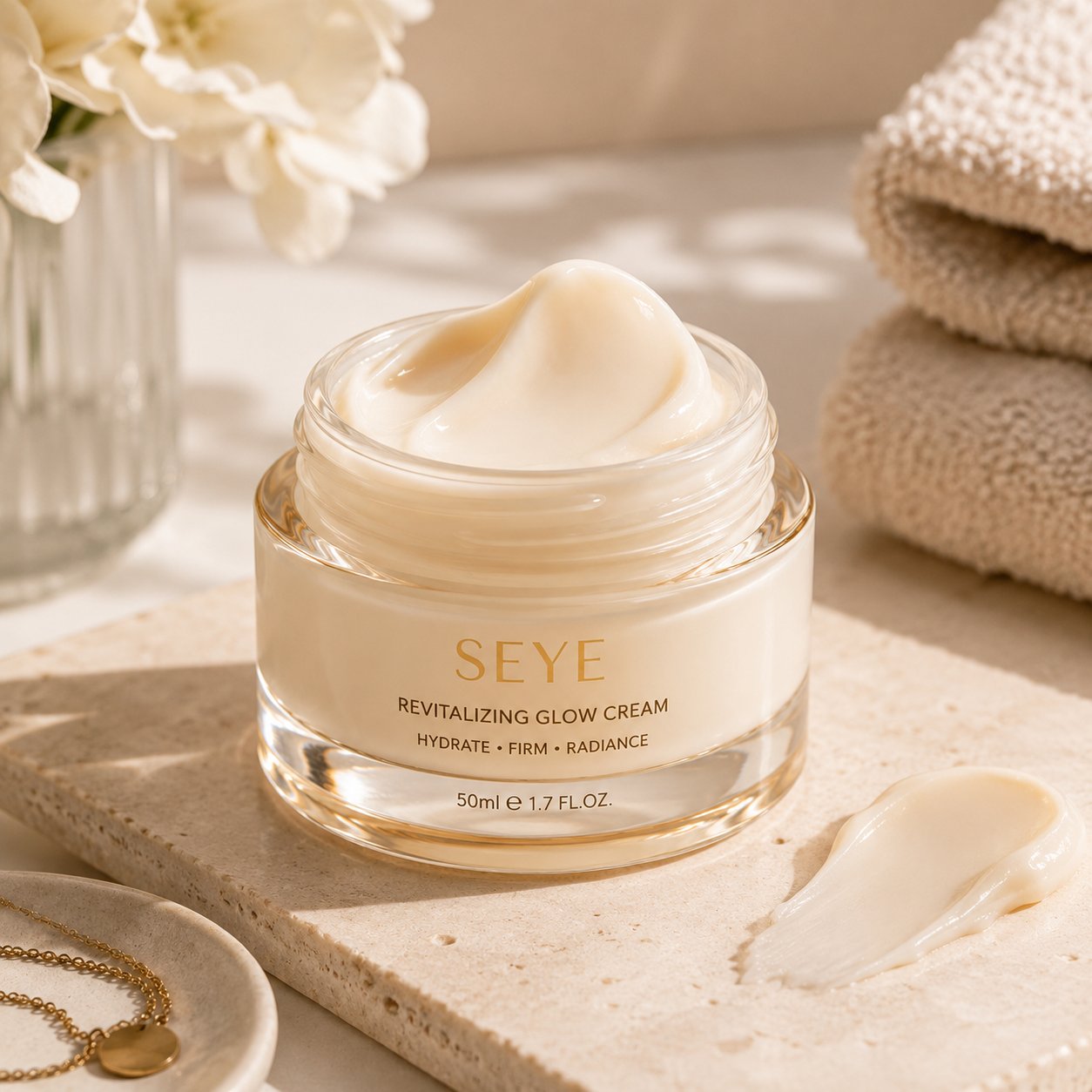
- Ceramide Moisturizer — 50ml
Production quantity: 1,000 units per SKU (3,000 units total). Estimated investment: USD $8,000 – $15,000. This gives founders a complete routine while keeping startup costs reasonable.
Real Budget Example: A 5-Product Skincare Brand
A fuller system that strengthens brand image:
- Cleanser
- Toner
- Vitamin C Serum
- Ceramide Cream
- Eye Cream
Production quantity: 1,000 units per SKU (5,000 units total). Estimated investment: USD $15,000 – $35,000. This creates a stronger brand presence and offers customers a complete skincare system.
What Are the Main Costs of Starting a Skincare Brand?
1. Product Manufacturing
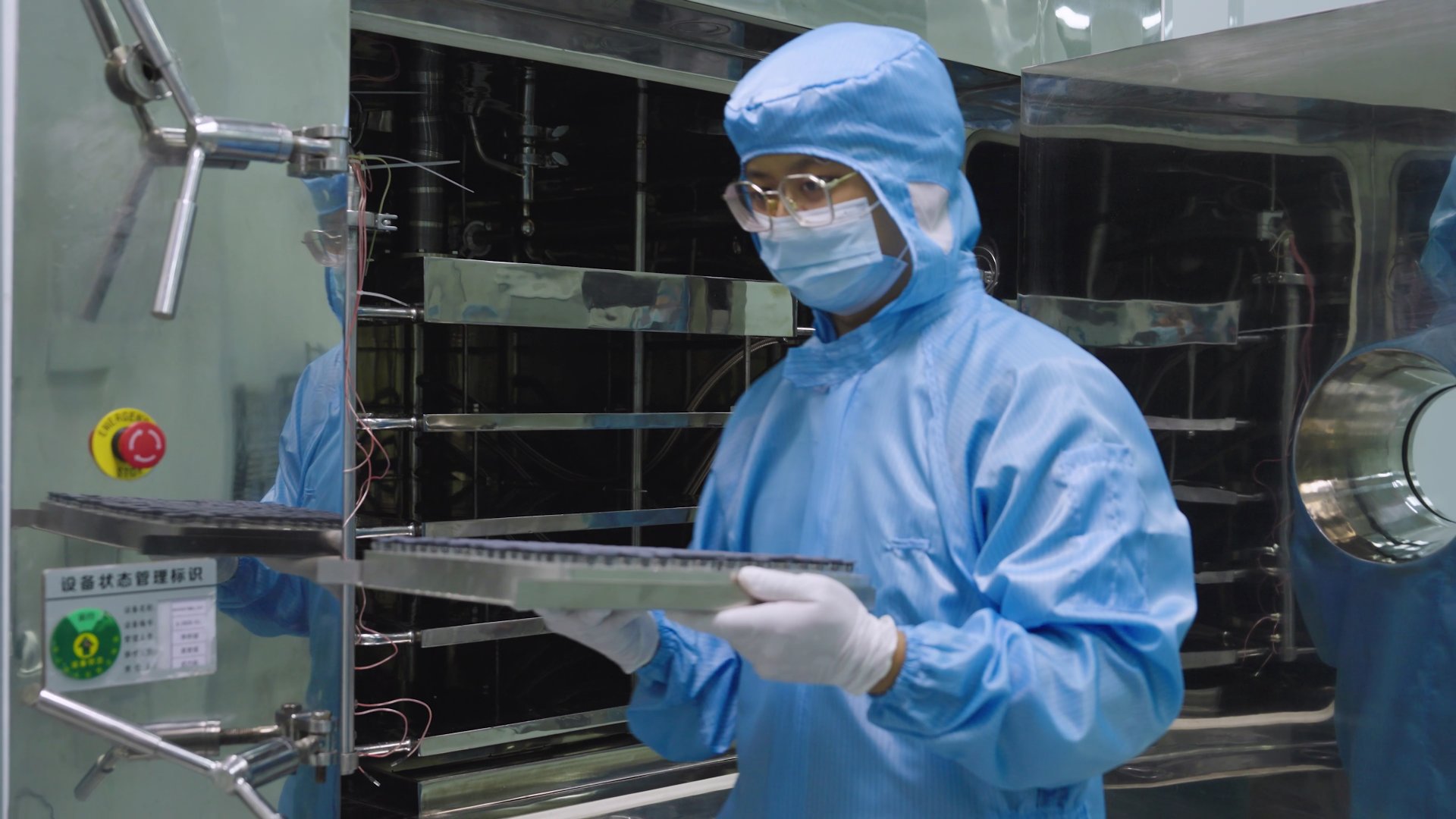
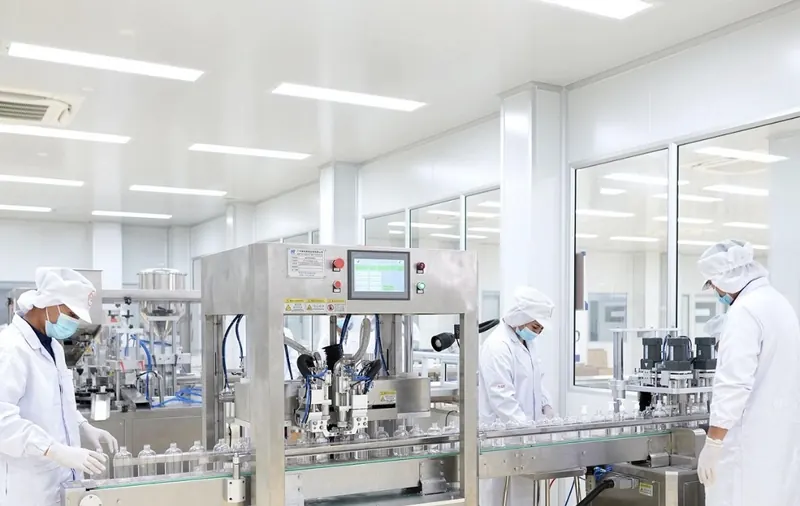
Manufacturing is typically the largest expense. Costs depend on formula complexity, active ingredients, fill volume, and production quantity. Products with advanced actives — peptides, ceramides, vitamin C derivatives, retinol alternatives, or specialized botanicals — carry higher production costs.
2. Packaging
Packaging often affects budgets more than founders expect. Cost drivers include airless packaging, frosted or glass bottles, UV printing, hot stamping, and premium cartons. Professional packaging improves brand perception but should be balanced against inventory and marketing.
3. Branding and Design
Professional branding may include logo design, packaging artwork, product labels, and brand guidelines. A well-designed brand creates stronger customer trust and higher conversion rates.
4. Compliance and Regulatory Requirements
Requirements vary by target market:
- European Union — CPNP registration, CPSR safety assessment
- United Kingdom — SCPN notification, product safety documentation
Other markets may require ingredient reviews, label compliance checks, stability testing, and microbiological testing. Planning compliance costs early helps avoid launch delays — an area where a regulatory-ready private label skincare manufacturer saves real money.
Hidden Costs Many New Brands Forget
One of the biggest mistakes is focusing only on manufacturing. Additional expenses include:
- Product photography
- Website & e-commerce platform
- Digital advertising
- Warehousing & shipping
- Influencer marketing
A realistic launch budget should include both product development and marketing. For a real-world example of how a brand managed these costs, see our France private label case study.
Best Product Categories for a New Skincare Brand
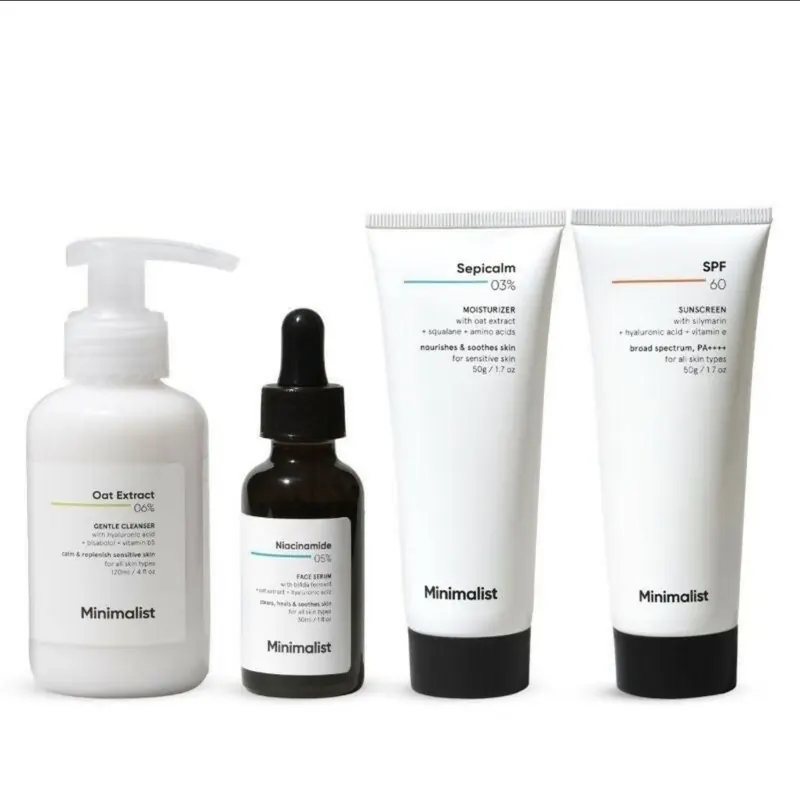
Based on current global beauty trends, these categories continue to perform strongly:
- Ceramide Moisturizer — supports barrier repair and hydration
- Niacinamide Serum — brightening and tone-balancing
- Vitamin C Serum — one of the most recognized categories worldwide
- SPF50+ Sunscreen — an essential daily product
- Hydrating Cleanser — fits almost every routine
These appeal to a broad audience and often generate strong repeat purchases. If a serum is on your list, it's worth deciding which serum to launch first.
A Typical Timeline for Launching a Skincare Brand
- Product selection — 3–7 days
- Sample development — 5–7 days
- Packaging confirmation — 7–14 days
- Production — 25–35 days
- Shipping — depends on destination
Typical end-to-end launch timeline: approximately 6–10 weeks.
How SEYE Supports Growing Skincare Brands
SEYE works with skincare startups, beauty entrepreneurs, online retailers, clinics, distributors, and established brands worldwide. Our services include:
- OEM & ODM manufacturing
- Formula customization
- Packaging sourcing
- Logo printing
- Regulatory support
- Sample development
- Production management
- International shipping assistance
With clients across Europe, North America, the Middle East, Africa, and Southeast Asia, we help entrepreneurs bring skincare concepts to market efficiently and professionally — built for sustainable growth, not short-term experimentation.
Get a Real Quote for Your Skincare Brand Launch
Tell us your product list and target market, and SEYE will return a transparent, itemized OEM/ODM quotation — from 1,000 units per SKU, with full formulation, packaging, and regulatory support.
Share your category, target market, and budget tier — our R&D team replies with a tailored launch plan and sample within 48 hours.
SEYE R&D Team
OEM/ODM Specialist
Publication details are shown from the article record. Individual expertise, reviewer information, and review dates appear only when verified for public display.