Scientific findings change as they move from peer-reviewed research to marketing copy. Skincare brands can evaluate ingredient claims more responsibly by asking what was actually studied, what outcome was measured, whether the finding was reproduced, and whether the marketing claim matches the evidence.
Every year, thousands of studies are published on peptides, antioxidants, and other cosmetic ingredients. As findings move from research papers to marketing headlines, important context is often lost. Learning to evaluate research critically is no longer just a scientist's skill — it is essential for founders, formulators, and regulatory teams building evidence-based products.

Quick Answer
Scientific findings change as they move from peer-reviewed research to marketing copy. Skincare brands can evaluate ingredient claims more responsibly by asking: What was actually studied? What outcome was measured? Has the finding been reproduced? Does the marketing claim match the evidence?
Key Takeaways
- Research passes through several stages of interpretation before reaching consumers, losing nuance along the way.
- Cell studies, animal studies, and human trials answer different scientific questions.
- A single positive study does not equal scientific consensus.
- Ingredient-level evidence does not guarantee finished-product performance.
- Claims should be proportionate to the actual strength of evidence behind them.
Why This Matters for Skincare Brands
Every year, thousands of studies are published on peptides, antioxidants, and other cosmetic ingredients. As findings move from research papers to marketing headlines, important context is often lost. This matters for scientific credibility, regulatory compliance, and long-term consumer trust.
For regulatory requirements in key markets, see our EU cosmetics compliance guide for private label brands. And if you are building your first product line, our guide to starting a skincare brand covers how to frame claims appropriately from the outset.
How Information Changes as It Spreads
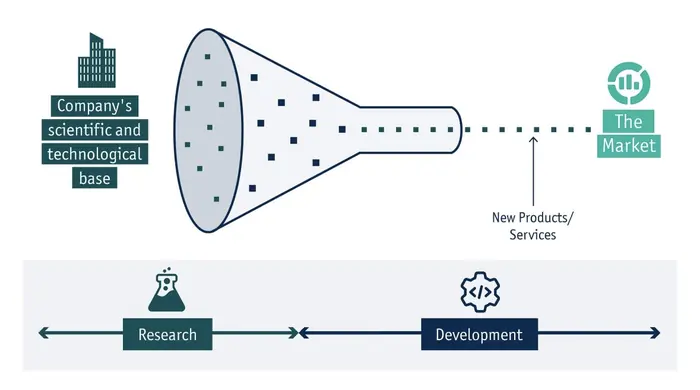
Research findings narrow and simplify at each stage between the lab and the market:
| Stage | Primary Goal | Typical Risk |
|---|---|---|
| Peer-reviewed research | Generate scientific knowledge | Findings are highly specific and technical |
| Supplier summaries | Explain ingredient potential | Positive findings emphasized over limitations |
| Brand marketing | Communicate benefits | Scientific nuance simplified |
| Social media | Increase engagement | Context shortened or lost |
| Consumer understanding | Purchase decisions | Preliminary research treated as fact |
Five Questions to Ask Before Accepting a Claim
Apply these five questions to any ingredient claim before using it in marketing materials or product development decisions:
- What was actually studied? Isolated cells, animals, or human volunteers — and was the outcome a biological marker or a visible cosmetic change?
- What outcome was measured? A biological marker (e.g., fibroblast activity in a petri dish) is not the same as a visible consumer result (e.g., reduced wrinkle depth).
- Has the finding been reproduced? A single positive study does not equal scientific consensus. Confidence increases only when independent research consistently supports similar conclusions.
- Does the research reflect the finished product? Ingredient-level evidence does not guarantee finished-product performance. Emulsifiers, preservatives, pH, and processing steps all affect real-world outcomes.
- Is the marketing claim proportionate to the evidence? A lab-based mechanism should not be marketed as a guaranteed, clinically proven consumer result.
This framework applies directly to how we evaluate copper peptide claims — see our article on evaluating Copper Tripeptide-1 claims with an evidence-based framework for a worked example.
A Practical Checklist
- Confirm whether evidence is laboratory, animal, or human-based before quoting it.
- Check whether findings have been independently reproduced.
- Verify whether the published research tested the finished formulation — not only the raw ingredient.
- Ask whether the claim would still hold up if new research were published tomorrow.
For brands developing anti-aging products, our peptide and retinol anti-aging serum OEM guide shows how to apply this framework to specific active ingredients. And for a deep dive into formulation stability, see our retinol formulation stability guide.

OEM Development Considerations
Evidence supporting an ingredient should not automatically be treated as evidence supporting every formulation containing it. A finished serum includes emulsifiers, preservatives, and processing variables that were never part of the original ingredient research.
Evaluating formulation stability, ingredient compatibility, and finished-product testing remains essential — regardless of how strong the raw ingredient's published research looks. Our guide to choosing an anti-aging skincare OEM R&D partner covers how to evaluate a manufacturer's ability to bridge ingredient science and finished-product performance.
Frequently Asked Questions
Why do the same ingredients get described differently by different brands?
Because information is reinterpreted at each stage — from peer-reviewed research to supplier summaries to marketing copy — often losing nuance and limitations along the way.
Does one positive study mean an ingredient is scientifically proven?
No. Confidence increases only when independent research consistently supports similar conclusions across multiple studies.
Is ingredient-level research enough to support a finished-product claim?
Not on its own. Finished formulations include additional ingredients and processing steps that can influence real-world performance, so finished-product testing is important.
How can a brand tell if a marketing claim is proportionate to the evidence?
Compare the claim's wording against the actual study type and outcome measured — a lab-based mechanism should not be marketed as a guaranteed, clinically proven consumer result.
Who inside a brand should own this kind of evidence review?
It works best as a shared responsibility — formulators flag what the raw research actually shows, and marketing or regulatory staff translate that into claim language that stays proportionate and compliant.
Building Evidence-Based Skincare Claims?
At SEYE Cosmetics, our formulation team works with brands to evaluate ingredient compatibility, stability, and regulatory considerations throughout OEM and private label development. Contact our team to discuss your formulation requirements.
SEYE R&D Team
Formulation & OEM Specialists
Publication details are shown from the article record. Individual expertise, reviewer information, and review dates appear only when verified for public display.