How to bring K-beauty innovation into your private label line — glass skin formulas, barrier repair, fermented ingredients, and the manufacturing realities of sourcing K-beauty-inspired products through OEM.
K-Beauty-Inspired OEM Skincare: Trending Formulas, Textures & Private Label Strategy
K-beauty has done more to reshape global skincare expectations over the past decade than any other regional influence in the industry. From the 10-step routine that introduced layering as a concept, to glass skin as a mainstream beauty aspiration, to the clinical credibility of fermented ingredients and skin barrier science — Korean skincare innovation has set trends that brands worldwide are now racing to translate into their own private label ranges.
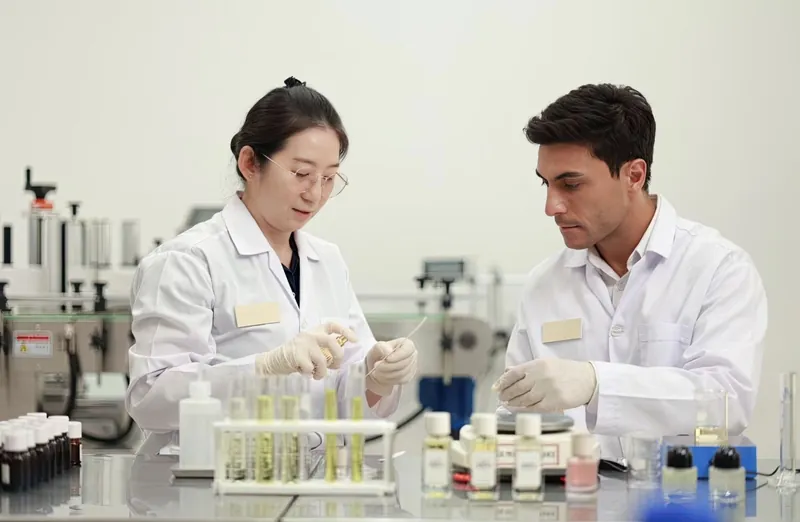
The good news for brand owners working with Chinese OEM manufacturers is that the distance between Korean innovation and Chinese manufacturing expertise has compressed significantly. Today's leading Chinese OEM facilities produce formulations that are technically indistinguishable from their Korean counterparts — often using the same ingredient supply chains, the same texture technologies, and the same clinical testing frameworks. This guide explains how to leverage K-beauty innovation in your private label skincare line through an OEM partnership.

The K-Beauty Aesthetic in 2025 and Beyond
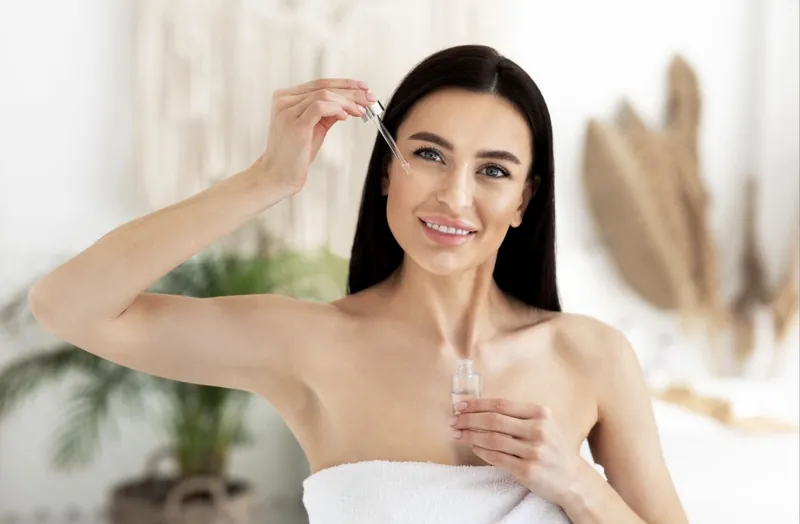
The aesthetic philosophy of K-beauty is built around skin health rather than makeup coverage. The ideal is "chok-chok" — dewy, plumped, luminous skin that looks hydrated from within. Glass skin, cloudless skin, and "baby skin" variations of this concept all express the same underlying goal: a complexion so healthy and well-hydrated that it has a naturally reflective quality without visible pores, texture, or dullness.
For OEM product developers, this aesthetic translates into a formulation brief that prioritizes hydration depth, barrier support, lightweight texture, and brightness — with actives selected for their complementary effects on these outcomes. The product formats most associated with K-beauty-influenced skincare — essences, ampoules, sheet masks, sleeping packs — all reflect this philosophy in their design.
Glass Skin Formulation: What the Product Actually Needs to Do
Glass skin is not achieved by a single product — it is the cumulative result of a well-designed skincare regimen. For brands building a glass skin range, the OEM product development question is: what formulation technologies contribute to this visible outcome?
Deep Hydration: Beyond Surface Moisture
Glass skin requires multi-depth hydration — humectants that draw water into the skin's upper layers, emollients that prevent transepidermal water loss, and occlusives that seal the hydration in place. Hyaluronic acid in multiple molecular weights is the backbone of glass skin hydration: high molecular weight HA creates surface smoothing and plumping; low molecular weight fragments penetrate deeper to hydrate at a cellular level. Sodium PCA, beta-glucan, and tremella extract (snow mushroom) are high-performing supporting humectants with clean ingredient stories.
Skin Barrier Optimization
A compromised skin barrier produces exactly the opposite of glass skin — dull, uneven texture with visible dryness and reactive sensitivity. Formulations designed to support barrier function include ceramide complexes (ceramide NP, AP, EOP), cholesterol, fatty acids (particularly linoleic acid), and niacinamide. The barrier repair category is one of the fastest-growing segments in K-beauty-influenced skincare and one that justifies premium pricing through clinical ingredient narrative.
Luminosity Actives
Brightening at a cellular level — rather than with optical diffusers or highlighter effects — is what creates lasting glass skin results. Niacinamide inhibits melanin transfer, 3-O-Ethyl Ascorbic Acid delivers stable vitamin C brightening, and alpha-arbutin inhibits tyrosinase activity. A combination of two or three of these actives at effective concentrations creates a formula with a compelling brightening mechanism that can be substantiated in consumer perception studies.
Essence and Ampoule Formulation for Private Label
The K-beauty essence — a lightweight, deeply hydrating treatment applied after cleansing and toning — has become one of the most globally adopted product formats from the K-beauty tradition. It is neither a toner nor a serum but occupies a specific layering step that delivers high concentrations of humectants and actives in a water-light texture.
Essence Texture Profile
A well-formulated essence has near-water viscosity but a slightly more substantive, slip-enhanced feel that allows it to be patted into the skin without dripping. Sodium hyaluronate, panthenol, niacinamide, and fermented ingredients (galactomyces ferment filtrate, saccharomyces ferment) are the most commercially resonant actives for this format. The key formulation challenge is maintaining texture elegance while achieving a high active payload — this requires careful selection of thickening systems that do not create tackiness or sticky after-feel.
Ampoule vs Serum: The OEM Distinction
In K-beauty terminology, an ampoule is a concentrated treatment with a higher active ingredient load than a serum, used for targeted correction. From a manufacturing standpoint, the distinction is primarily in the active concentration and packaging format — ampoules are often presented in small-volume glass vials or higher-concentration pump bottles. The formulation approach is similar to serums but with a higher cost-of-goods per unit due to concentrated actives and premium packaging. Ampoules command premium pricing and are well-suited to brands targeting the professional or luxury segment.
Fermented Skincare: The Science Behind Galactomyces and Lactobacillus
Fermentation is one of K-beauty's most distinctive and scientifically interesting contributions to global skincare. The fermentation process — using microorganisms such as galactomyces, saccharomyces, or various lactobacillus strains to transform raw plant ingredients — produces filtrates rich in vitamins, amino acids, organic acids, and bioactive metabolites that have measurable skin benefits.
Galactomyces Ferment Filtrate
Made famous by several globally successful K-beauty brands, galactomyces ferment filtrate is a yeast-derived filtrate with documented brightening, hydrating, and skin conditioning properties. It is a standard stock ingredient available from multiple Korean and Chinese ingredient suppliers and can be formulated at effective concentrations by any experienced OEM manufacturer. Consumer recognition of galactomyces as a K-beauty ingredient creates immediate marketing relevance. For brands planning a full K-beauty-inspired line, see our 2026 skincare brand cost breakdown for budget planning.
Lactobacillus Fermented Plant Extracts
Lactobacillus fermentation of plant materials — rice, soy, centella asiatica, green tea — enhances the bioavailability of the plant's active components while generating beneficial metabolites including lactic acid (gentle AHA activity), postbiotics (anti-inflammatory), and skin microbiome-supporting compounds. The "fermented" positioning also resonates strongly with clean beauty and wellness-oriented consumers.
Postbiotic Skincare: The Next Wave
The microbiome skincare category — probiotics, prebiotics, and postbiotics — is one of the fastest-growing areas in premium skincare globally, driven by increasing consumer and clinical interest in the relationship between skin microbial ecology and skin health. Postbiotics (fermentation metabolites including short-chain fatty acids, bacteriocins, and cell wall components) are the most formulation-friendly format, offering stability advantages over live probiotic cultures and strong scientific credibility. Forward-thinking OEM manufacturers are already working with postbiotic ingredient suppliers and can advise on formulation options.
K-Beauty Product Formats for Private Label OEM
| Format | Key Characteristics | OEM Notes |
|---|---|---|
| Essence | Water-light, high-humectant, layering step | Low viscosity filling; glass or PET bottle with dropper or pump |
| Ampoule | Concentrated actives, small volume, targeted treatment | Higher COGs; glass vial or premium pump; positioning justifies price |
| Sleeping Pack | Overnight mask, occlusive, intensive repair | Higher viscosity jar format; strong barrier repair and glass skin positioning |
| Sheet Mask | Single-use, high-saturation serum, hydration focus | Sheet substrate + filling; multiple substrate materials available |
| Toner (Hydrating) | Alcohol-free, layering hydration, first step post-cleanse | Low-viscosity aqueous; suitable for higher-volume primary packaging |
| Cushion Foundation | Air-cushion applicator, SPF, natural finish | Specialized filling equipment required; complex OEM specification |
Positioning and Naming Strategy for K-Beauty-Influenced Private Label
The commercial power of K-beauty positioning is significant — consumers associate it with innovation, skin health focus, and ingredient transparency. However, brands using K-beauty influence without authentic Korean sourcing or Korean-language elements in their brand story should focus on the scientific outcomes (glass skin, barrier repair, fermented actives) rather than explicit K-beauty identity claims that may invite scrutiny.
The most defensible positioning is ingredient-led: "formulated with galactomyces ferment filtrate," "three-molecular-weight hyaluronic acid," or "postbiotic skin balancing complex" communicate K-beauty-influenced ingredient thinking without making geographic authenticity claims. Your OEM manufacturer can provide the ingredient documentation and INCI data needed to support these claims.

Develop K-Beauty-Inspired Formulas with SEYE
From galactomyces essences to multi-layer hyaluronic acid sleeping packs, SEYE's formulation library covers the full range of K-beauty-influenced product formats. MOQ from 500 units, EU/US compliant, 5–7 day sampling.
Request a K-Beauty Formula Consultation💡 Work With SEYE — OEM/ODM Skincare Manufacturing
From formulation and packaging to EU/US regulatory support, SEYE helps private label brands move from concept to market — backed by 12+ years of formulation expertise, 26+ automated production lines, and 50M+ units of annual capacity. Request a free consultation →
Conclusion
K-beauty's influence on global skincare is not a passing trend — it is a permanent reshaping of consumer expectations around skin health, ingredient transparency, and product texture. For private label brands, the opportunity is to translate these consumer expectations into commercially viable products using an OEM partner with genuine formulation capability in the formats and ingredient systems that define this aesthetic.
SEYE's product development team has deep expertise in K-beauty-influenced formulation — from glass skin hydration systems to fermented extract applications to barrier repair actives — and can help you build a compelling, differentiated range that speaks to today's most engaged skincare consumers. For a real-world example of how a brand launched with these principles, read our France private label case study.
Frequently Asked Questions
Can Chinese OEM manufacturers produce K-beauty quality formulations?
Yes. The gap between Korean innovation and Chinese manufacturing has compressed significantly — leading Chinese OEM facilities now use the same ingredient supply chains, texture technologies, and clinical testing frameworks as their Korean counterparts.
What does a glass skin formulation actually require?
Glass skin is the cumulative result of a regimen built on multi-depth hydration, skin barrier support, lightweight textures, and brightness-focused actives — not a single miracle product. The formulation brief prioritizes hydration depth over surface moisture.
Which K-beauty product formats work best for private label brands?
Essences, ampoules, sheet masks, and sleeping packs are the formats most associated with K-beauty's skin-health philosophy, and all translate well to private label development through an OEM partnership.
SEYE R&D Team
Product Development Team, SEYE Cosmetics
Publication details are shown from the article record. Individual expertise, reviewer information, and review dates appear only when verified for public display.