
Assign MoCRA responsibilities before production: verify the manufacturing site, distinguish registration from approval, assess finished-product safety evidence and prepare labels, import data and adverse-event procedures for private label skincare sourced from China.
A private label moisturizer can leave China with an attractive carton and still arrive without a clear owner for product listing, safety records or adverse-event reporting. Before approving production, connect every compliance task to a named legal entity, a document and a review deadline.
Buyers searching “MoCRA compliance cosmetics OEM” or “FDA registered skincare manufacturer China” should use those phrases to begin due diligence, not as proof of approval. FDA facility registration and cosmetic product listing do not mean FDA approval. FDA also states that it does not issue certificates or verification documents establishing registration or listing compliance.1
1. Assign responsibilities before requesting registration evidence
Under the Modernization of Cosmetics Regulation Act, the responsible person is the manufacturer, packer or distributor whose name appears on the cosmetic label as specified by law. A private label brand may therefore hold this role even when an overseas OEM develops and fills the product.2
An importer does not automatically need its own facility registration merely because it imports. Registration or listing applies when its activities or label identity meet the relevant facility or responsible-person definition, unless exempt. A foreign manufacturing facility that must register needs a U.S. agent; that agent is not automatically the brand’s responsible person.3
| Function | Accountable party | Buyer’s evidence request |
|---|---|---|
| Facility registration | Facility owner or operator; permitted contract arrangements apply | Exact site identity, FEI, current status and renewal date |
| Foreign-facility contact | Designated U.S. agent | Current appointment and reachable U.S. contact |
| Product listing | Label-named responsible person | Submission responsibility, ingredient data and update calendar |
| Safety substantiation | Responsible person | Accessible records supporting the finished product’s safety |
| Serious adverse events | Responsible person | Intake channel, escalation owner and reporting procedure |
| Import entry | Importer and customs broker operationally | Consistent manufacturer, consignee and product data |
Name submission owners, regulatory contacts and corrective-work responsibilities in the supply agreement. Outsourcing does not erase statutory obligations.
2. Check the actual manufacturing site and renewal date
Match the legal name and physical address on registration records to the location manufacturing or processing your product. An FDA Establishment Identifier, or FEI, identifies the establishment; possessing that number alone does not establish an active cosmetic facility registration.1 3
Required registrations renew every two years from the initial registration date, not on a universal year-end cycle. FDA’s Cosmetics Direct portal displays registration status and renewal date. Ask for a current account record showing those fields, while recognizing that an account screenshot is not an FDA-issued compliance certificate.1
For a new facility, registration is generally due within 60 days of first engaging in covered manufacturing or processing. Required registration information changes must be updated within 60 days. New cosmetic product listings are generally due within 120 days of first marketing in interstate commerce, with listing updates annually. These are different clocks, so maintain separate reminders.3
Do not assume that a small brand’s exemption also exempts its manufacturing site. Evaluate the facility and responsible person separately, including the product categories that disqualify otherwise eligible small businesses.3
3. Approve a product-specific safety file, not just an ingredient list
MoCRA requires the responsible person to ensure and maintain adequate safety-substantiation records. FDA does not prescribe one universal test battery for every cosmetic. The evidence must fit the formulation, exposure and intended use; existing data can contribute when scientifically appropriate.2
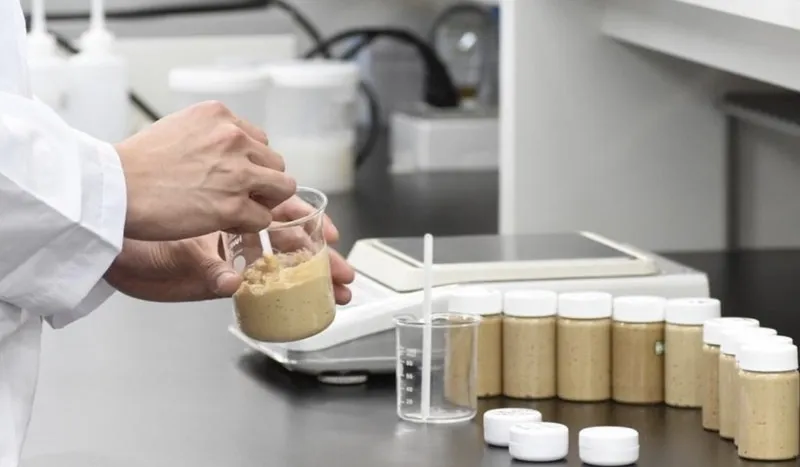
For a water-based facial serum, request a documented pH specification justified by ingredient stability, preservative performance and intended use. Review release results and pH drift during stability testing. A cleansing gel or acid-containing exfoliant needs its own assessment, not the serum’s acceptance limits.
Agree finished-product microbiological specifications and an appropriate preservation-efficacy assessment. A low initial microbial count does not show that preservation will withstand contamination during use. If a powder is reconstituted, assess the specified diluent, mixing method, contamination opportunities and supported use period after mixing.
Test the actual formula in the intended sales package. A procurement protocol should cover relevant storage conditions and transport stresses, tracking appearance, odor, viscosity, pH, leakage and dispensing performance. Examine formula contact with pump seals, liners and container materials. Set acceptance criteria before testing; a familiar bottle shape does not establish compatibility. These are risk-based development recommendations, not a claim that FDA mandates identical tests for every SKU.
4. Lock the label and claims before printing
Review product identity, net contents, the appropriate name and place of business, ingredient declaration, necessary warnings and country-of-origin marking. Required U.S. information generally must appear in English. Use “Distributed by” or equivalent wording when appropriate to identify a distributor that is not the manufacturer or packer.4
MoCRA also requires a domestic address, domestic phone number or electronic contact through which the responsible person can receive adverse-event reports. FDA guidance recognizes email or a suitable website as electronic options. Make the route usable and monitored; a decorative website address without a reporting pathway is poor operational control.3
Check both artwork and sales claims. Statements about treating acne or eczema, or affecting body structure or function, can bring drug requirements into play. Do not assume a cosmetic listing covers a sunscreen or therapeutic claim. Review marketplace copy alongside the carton.4
For 2026 artwork approval, separate established duties from continuing rulemaking. FDA’s MoCRA overview still identifies cosmetic GMP and fragrance-allergen labeling as rulemaking areas. Recheck published rules, effective dates and transition provisions before sign-off rather than treating an agency timetable as an operative requirement.2
5. Make adverse-event handling operational before launch
The responsible person must report serious adverse events associated with U.S. cosmetic use to FDA within 15 business days and include the retail label. Qualifying new medical or other information received within one year of the initial report must also be submitted within 15 business days. Serious events include infection and significant disfigurement, not only hospitalization or death.2
Route complaints from retailers, marketplaces and customer service into one monitored process. Preserve the product name, lot identification, available exposure information and correspondence. Agree how the OEM supplies manufacturing investigations and retained-sample findings. Do not delay statutory reporting while waiting for a root-cause conclusion.
6. Budget for documentation and a realistic production gate
Compare quotations on the same formula, pack and evidence scope. Preservative-system changes, fragrance variants, custom pumps, decorated-component minimums, compatibility testing and destination-specific review can change cost and MOQ. Separate development samples from production validation and logistics charges.
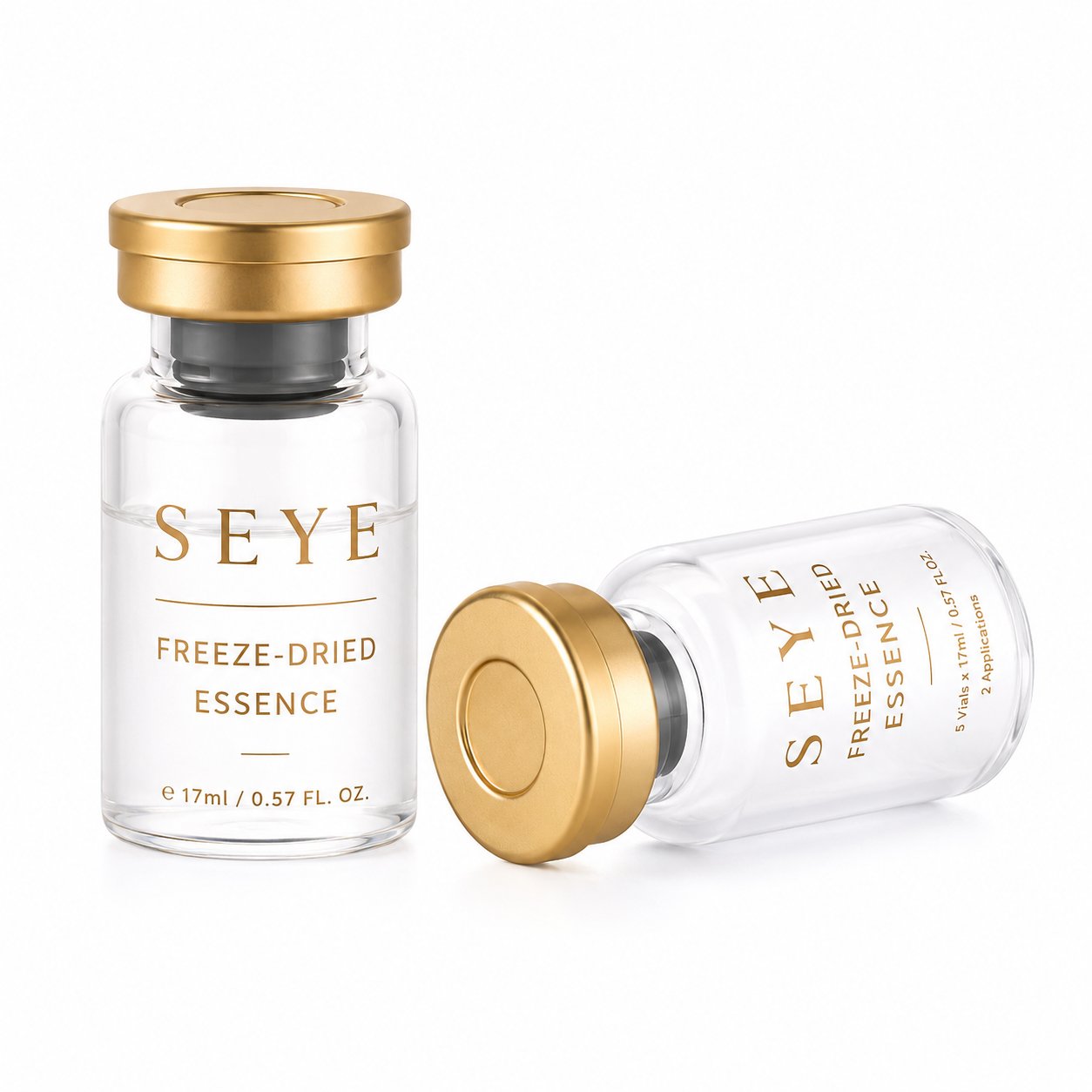
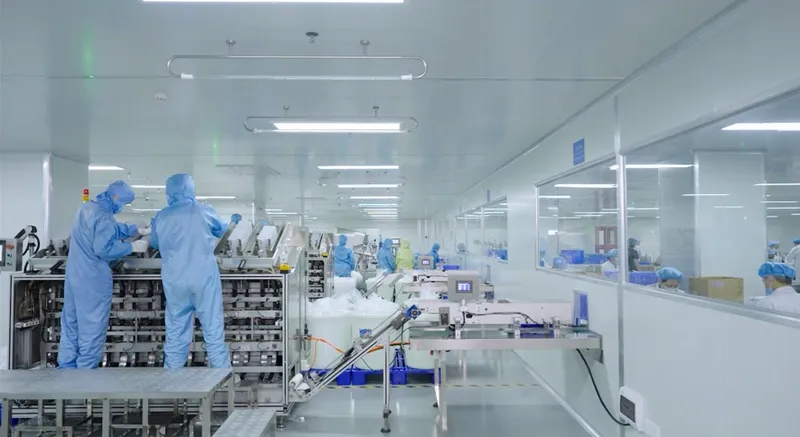
SEYE is Guangzhou-based with 12+ Years OEM Experience and supports ISO 22716/GMPC manufacturing quality evidence and project-specific target-market documentation. Review the available manufacturing quality and regulatory evidence, then request current facility-specific records. SEYE’s current FDA registration has not been independently verified; manufacturing quality evidence is not a substitute for it.
For EU expansion, plan separately for an EU-established responsible person, a Cosmetic Product Safety Report, a Product Information File and required notification. Check ingredient restrictions and destination-language labeling rather than copying U.S. artwork. CPNP notification is not certification or approval, and neither CPNP nor FDA listing is a factory certificate.5
Apply these project-planning conditions:
- Quote response: Within 1 business day after we receive a complete project inquiry.
- Laboratory sample development: Target: 5–7 business days after the approved development brief.
- Sample dispatch: Scheduled after sample approval; shipping transit is separate and confirmed with the destination.
- Packaging confirmation: Project-specific after component sourcing, pack-compatibility review and artwork sign-off.
- Bulk production: Target: 25–35 working days after the production-readiness gate is complete.
- Gate: Production timing starts only after formula approval, packaging confirmation, artwork sign-off, required market documentation, component availability and agreed payment conditions are complete.
- MOQ: Starting MOQ is subject to formula, packaging and market documentation; request a project-specific quotation.
These are targets, not universal promises. Laboratory sample development does not mean completed stability, shelf-life or export validation. Use the Skincare catalogue to identify candidate formats, then request the 2026 catalogue and a documentation-scoped quotation.
Policy v2026.10.23.1
Buyer FAQs
Does FDA registration mean my skincare product is approved?
No. Facility registration and cosmetic product listing do not indicate FDA approval. FDA does not issue certificates verifying cosmetic registration or listing compliance. Buyers should assess current facility records, product safety evidence and label compliance separately.
Must the importer always be the MoCRA responsible person?
No. The responsible person is the manufacturer, packer or distributor named on the label as specified by law. An importer may hold that role, but importing alone does not automatically create it. Document the actual roles before assigning submissions.
Can an OEM’s safety documents cover my custom packaging?
Not automatically. Confirm that available evidence remains relevant to the finished formula, intended use and selected package. A new dispensing system or contact material can require additional compatibility or stability work; agree the assessment scope before ordering components.
What should a complete inquiry include?
Provide target markets, intended users, product format, claims, ingredient preferences, packaging concept, estimated order quantity and launch constraints. Identify the proposed responsible person and importer, and request a quotation that separates formulation, packaging, testing, documentation and shipping responsibilities.
References
SEYE R&D Team
Formulation & OEM Specialists
Publication details are shown from the article record. Individual expertise, reviewer information, and review dates appear only when verified for public display.