Follow the seven stages between skincare sample approval and finished-goods release. Learn how production readiness, materials, scale-up, quality review, packaging and shipment milestones shape a realistic OEM schedule.
You approve the final sample, the packaging is confirmed, the purchase order is placed. What happens next? For many private label brands, the period between sample approval and finished-goods shipment is largely invisible — but this is where the product moves from a laboratory reference into commercial manufacturing.
Short Answer: After a skincare sample is approved, the project moves through production readiness, materials preparation, commercial-scale manufacturing, quality review, filling, packaging and final inspection. The order should follow a locked specification and agreed release criteria. Sample approval alone does not start the production clock; packaging, documentation, component availability and payment conditions must also be ready.
Target: 25–35 working days after the production-readiness gate is complete. This is a planning target, not a guaranteed delivery date; transit, destination receiving and any additional project requirements are confirmed separately.
Key Takeaways
- Sample approval establishes the development reference; production confirmation requires the agreed readiness checks, including any outstanding testing, compatibility or market documentation.
- Custom packaging can become the longest part of the timeline, since it comes from separate suppliers with their own schedules.
- A 500g lab sample and a commercial batch are made at very different scales — the goal is reproducing the approved formula within agreed specifications, not "a bigger version."
- Think in terms of finished-product lead time, not just formula production time — missing cartons or delayed pumps can still delay completion.
- Use the manufacturing period productively: photography, website, listings and launch content should be ready when goods arrive.
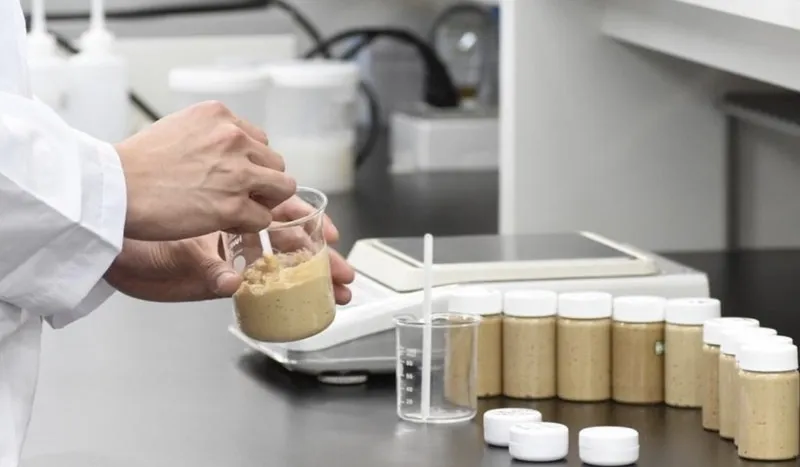
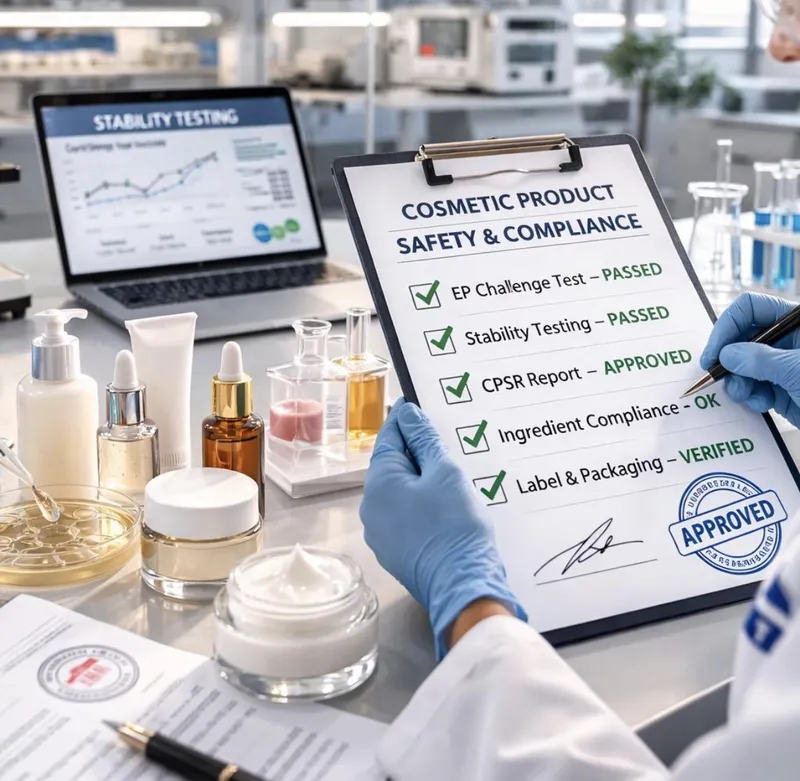
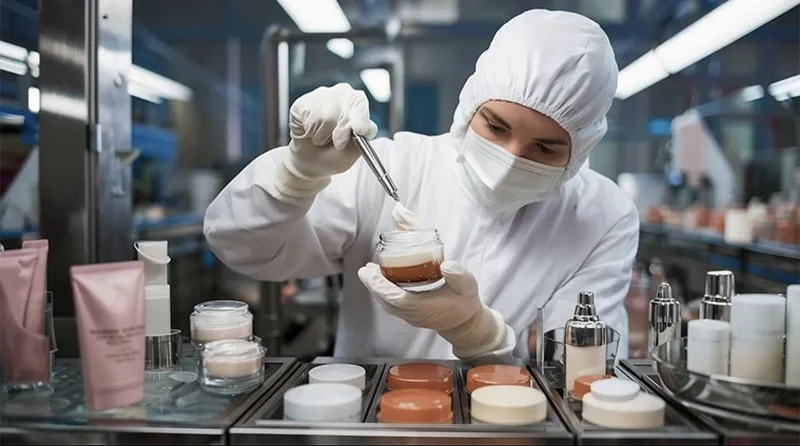
The supplied photographs illustrate manufacturing stages; they are not project-specific batch records or evidence of completed testing for your order.
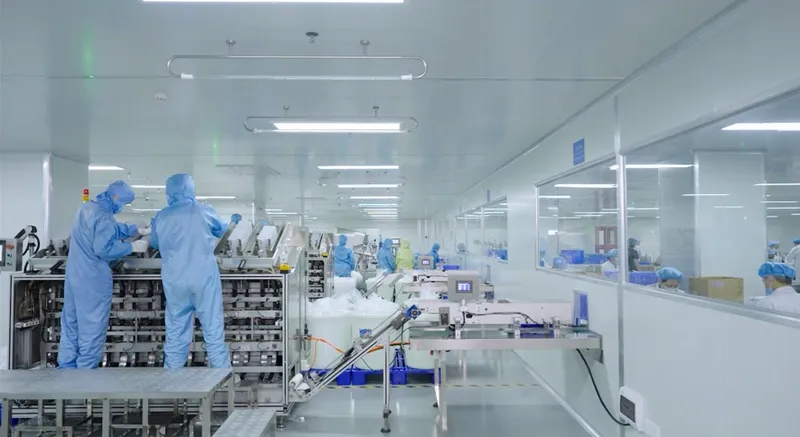
Once the specification is locked, the approved formula moves through a defined manufacturing sequence rather than a single production step.
Why This Matters: Production Needs a Locked Specification
Before manufacturing begins, the manufacturer confirms the final commercial specification: approved formula version, order quantity, net content, bottle/jar/tube, pump/cap/dropper, decoration, carton, artwork and required batch documents. Sample approval establishes a reference; it is not permission to manufacture against a vague instruction. Production timing starts only after formula approval, packaging confirmation, artwork sign-off, required market documentation, component availability and agreed payment conditions are complete.
Use the pre-bulk production approval checklist.
Market Insights: The Seven Stages Between "Approved" and "Goods Ready"
1. Final Approval / Production Readiness
Confirm the formula, packaging, artwork, required market documentation, component availability and agreed payment conditions. Any outstanding test or safety-documentation requirements must be reviewed before production is released.
2. Materials Preparation
Formula materials (base ingredients, actives, emulsifiers, preservatives) and packaging materials (bottles, pumps, caps, labels, cartons) are prepared — custom packaging often becomes the longest workstream.
For component commitments and supplier minimums, review packaging MOQ versus formula MOQ.
3. Bulk Manufacturing
The approved lab formula is transferred to commercial scale. Weighing, phase preparation, heating, mixing, emulsifying, homogenizing and cooling are used where applicable to the formula and agreed process. The aim is conformity with approved manufacturing specifications, not simply making a bigger laboratory sample.
Understand controlled scale-up differences in bulk production versus laboratory sample variation.
4. Quality Control
Bulk product is reviewed against agreed product and batch specifications. Appearance, color, odor, pH, viscosity and microbiological checks are selected where applicable to the product, process and market requirements. Lot identifiers support traceability, and release depends on the agreed acceptance criteria rather than visual appearance alone.
See the broader manufacturing and control workflow in Quality & Production.
5. Filling & Assembly
Filling, pump or cap assembly, coding and fill checks are carried out against the agreed requirements. Packaging compatibility and dispensing performance should be reviewed with the actual formula and final components; a catalog image does not establish compatibility.
6. Decoration & Secondary Packaging
Label, printing, batch code, carton, insert and gift box — many separate suppliers finally converge into one retail-ready product at this stage.
7. Final Inspection & Shipment
Finished-goods appearance, packaging condition, printing, coding, quantity and sealing are reviewed against agreed final inspection and release requirements. The ingredient list and artwork should already be approved; final checks confirm the correct version. Batch-specific documents, including a COA where applicable, are issued following the required testing and review. Shipment follows the agreed Incoterm and shipping method, with logistics responsibilities confirmed separately.
Review what batch documents can and cannot prove in the COA, batch record and release document guide.
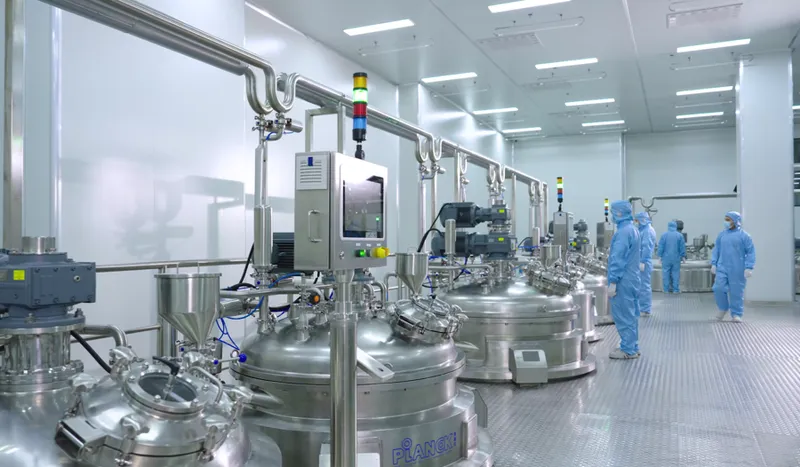
Bulk manufacturing transfers the approved lab formula to commercial-scale equipment — a different process than scaling up a sample.
Comparison: Production Lead Time Covers More Than Manufacturing
| Stage | What Happens |
|---|---|
| Raw Materials | Formula and packaging materials sourced and prepared |
| Production Scheduling | Manufacturing slot coordinated with other orders |
| Manufacturing | Bulk formula produced at commercial scale |
| QC | Bulk checked against specifications |
| Filling & Assembly | Product filled and packaging assembled |
| Final Inspection | Finished goods checked, documented and released |
Custom packaging, technically complex products or unresolved readiness items can extend the project schedule. Production, quality release, freight transit and warehouse receiving are separate milestones; confirm the scope covered by each promised date.
Recommendations: Use Production Time to Prepare for Selling
- Product photography plan and website/listing content
- Retailer materials and launch content
- Influencer seeding and warehouse arrangements
- Import documentation and launch campaign
Key question: the most useful question after sample approval is not "is my order finished yet?" It is "which production stage is the order currently in, and what is the next milestone?" That makes communication between brand and manufacturer much more efficient.
Before launch, prepare the first-production acceptance and replenishment checklist.
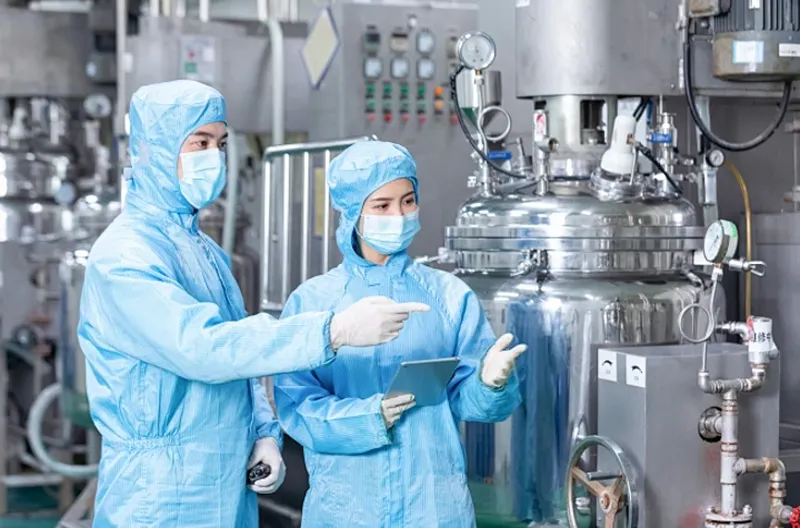
Knowing which stage an order is in — and what the next milestone is — makes brand-manufacturer communication far more efficient.
OEM Development Considerations: The SEYE Sample-to-Bulk Flow
- Final Approval / Production Readiness — confirm the formula, packaging, artwork, market files, components and payment conditions. 2) Materials Preparation — prepare formula ingredients and packaging. 3) Bulk Manufacturing — follow the agreed commercial-scale process. 4) Quality Control — review against specifications and release criteria. 5) Filling & Assembly — fill and assemble final components. 6) Packing — complete the approved labels, cartons and presentation. 7) Final Inspection & Shipment — release finished goods under the agreed quality and logistics requirements.
This is a planning framework, not a fixed recipe for every product. If the approved formula changes, return to development and review affected specifications and validation before manufacturing.
For intentional formula revisions, use custom formula development.
Planning a smaller starting order? Review private label skincare MOQ.
Frequently Asked Questions
Does production start immediately after sample approval?
Not always. Production timing starts only after formula approval, packaging confirmation, artwork sign-off, required market documentation, component availability and agreed payment conditions are complete. Sample approval alone does not release the order for manufacturing.
Is skincare bulk production just a larger version of lab sampling?
No. Commercial manufacturing uses different production scale and equipment — the goal is to manufacture according to the approved formula and specifications.
Why can packaging delay skincare production?
Because bottles, pumps, printing and cartons may come from separate suppliers with their own production schedules.
When do I receive the COA?
Where a batch COA is included in the agreed document scope, it relates to the actual commercial batch and is issued after the applicable testing and review are complete. Confirm which documents and results your project requires before production approval.
How long does skincare bulk production take?
Timing depends on the formula, packaging, order quantity, readiness and agreed project scope. SEYE's shared planning target is 25–35 working days after the production-readiness gate is complete; custom packaging or technically complex projects can take longer. Shipping transit and destination receiving are confirmed separately, and this target is not a guaranteed delivery date.
Final Takeaway
Approving a sample begins the transition toward manufacturing; the production timeline starts only after the readiness gate is complete. Use a locked specification, agreed quality and document criteria, and milestone-based updates rather than assuming goods are ready because sampling is finished.
Ready to Move From Sample to Bulk Production?
Send SEYE your approved formula, packaging requirements, target quantity and destination market. Our team can help confirm the project-specific production steps, documentation and shipping arrangements. Starting MOQ is subject to formula, packaging and market documentation; request a project-specific quotation.
SEYE Cosmetics
OEM Production & Project Planning
Publication details are shown from the article record. Individual expertise, reviewer information, and review dates appear only when verified for public display.