
Starting MOQ
Starting MOQ is subject to formula, packaging and market documentation; request a project-specific quotation.
Freeze-dried and lyophilized skincare
Evaluate the powder format, activator concept, packaging system, and reconstitution steps as one buyer brief. The route is then scoped around the finished product and its intended market rather than a generic product claim.
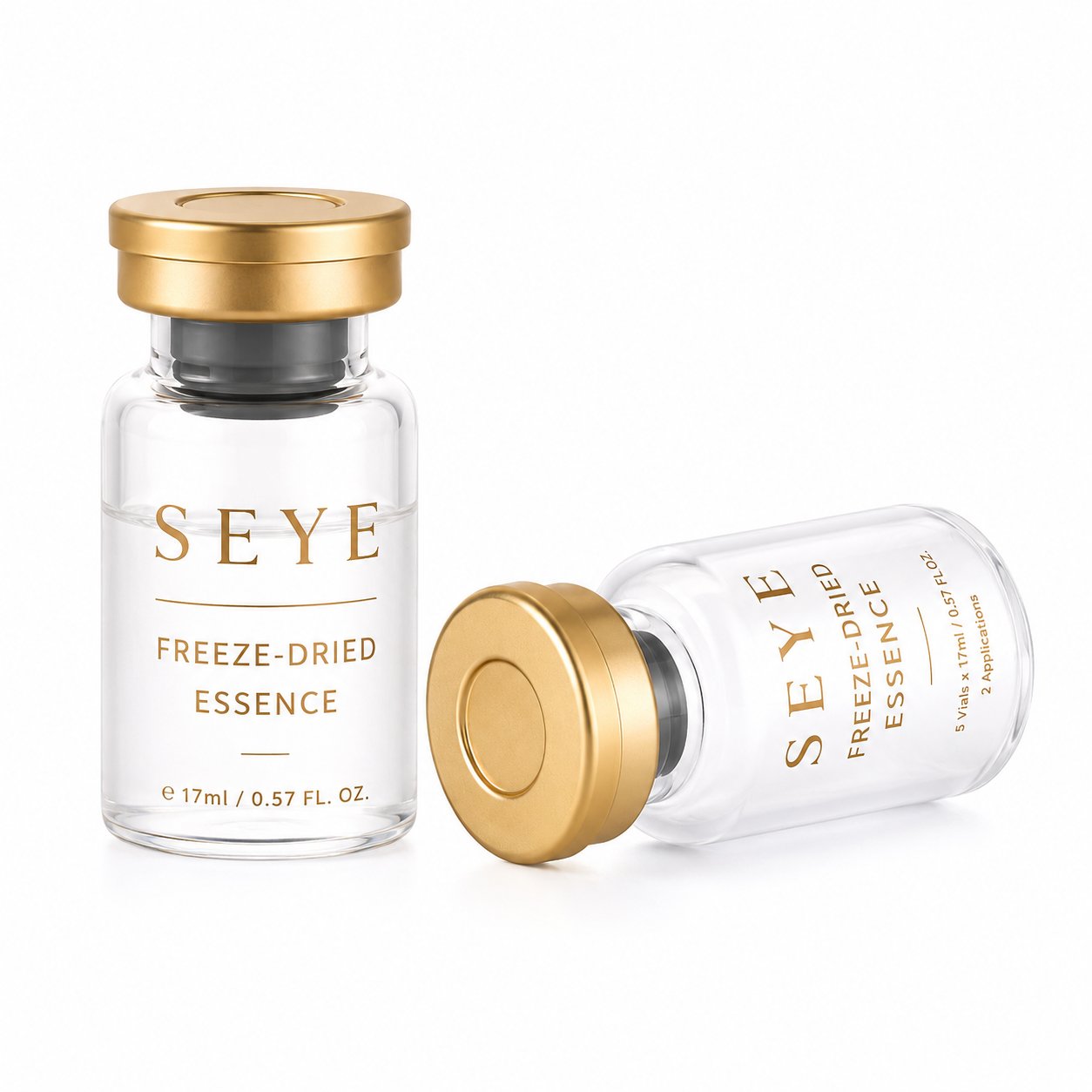
Dosage form and reconstitution planning
The following are candidate routes subject to formula and packaging feasibility. Reconstitution is a development and user-experience decision, not a generic performance guarantee.
Scroll horizontally to compare all format and reconstitution columns.
| Buyer requirement | Candidate dosage form | Reconstitution decision to confirm | Commercial or technical limitation |
|---|---|---|---|
| Single-use application and simple consumer instructions | One powder unit plus one measured activator unit. | Powder fill target, activator volume, total reconstituted content, mixing instruction, and intended use quantity. | Confirm formula-pack compatibility and reconstitution performance before approval. |
| Multi-application routine in one pack | Powder vial with separate activator and dispensing component. | Intended number of uses, dose per use, total content, dispensing method, and post-reconstitution instructions. | Any in-use direction, preservation approach, or stability period must be established for the finished formula and pack. |
| Gift, travel, or treatment-style kit | Multiple unit-dose powder and activator pairs. | Number of units, unit content, kit configuration, user sequence, and outer-pack artwork. | Kit components, sourcing, assembly, and artwork can affect MOQ, cost, and readiness. |
| Professional or controlled-use concept | Project-specific multi-unit system. | User, setting, dose protocol, instructions, and market documentation needs. | Do not imply clinical, sterile, or professional-use suitability without project-specific evidence and market review. |
Development route
The route keeps the formula, activator, pack, instructions, documentation, and commercial inputs together. It is designed to surface decisions early rather than making assumptions about a finished product.
Build a development briefConfirm the target buyer or user, destination market, product role, claims boundary, order estimate, and commercial objective.
Align the dry format, activator concept, unit size, pack architecture, and intended user steps.
Assess appearance, reconstitution, sensory use, package compatibility, and the agreed acceptance criteria.
Confirm components, pack configuration, label inputs, outer packaging, and artwork readiness.
Identify market-specific documentation, testing, and substantiation questions before production planning.
Proceed only after formula approval, packaging confirmation, artwork sign-off, required market documentation, component availability, and agreed payment conditions are complete.
Current operating facts
Effective 2026-10-23 · Policy v2026.10.23.1
Starting MOQ is subject to formula, packaging and market documentation; request a project-specific quotation.
Within 1 business day after we receive a complete project inquiry.
Target: 5–7 business days after the approved development brief.
Scheduled after sample approval; shipping transit is separate and confirmed with the destination.
Project-specific after component sourcing, pack-compatibility review and artwork sign-off.
Target: 25–35 working days after the production-readiness gate is complete.
Prepare your RFQ
Share what is available. The checklist gives the development and commercial teams a practical starting point; it does not replace project-specific confirmation.
Project boundaries
Clear boundaries protect the project brief. They help buyers distinguish a product direction from a confirmed formula, quote, market pathway, or production plan.
Related buyer reading
These resources support due diligence and concept planning. Finished-product feasibility, claims, documentation, and commercial terms remain subject to the project review.
Buyer FAQs
It is a project that evaluates a dry powder formula and a separately defined reconstitution liquid or use procedure. Whether a proposed formula and pack are suitable is confirmed through the project development and packaging-review process.
This route is for brands, retailers, clinics, and distributors that need a B2B manufacturer to assess a freeze-dried or lyophilized skincare concept, including dosage form, reconstitution, packaging, documentation planning, and quotation.
Formula approval, packaging confirmation, artwork sign-off, required market documentation, component availability, and agreed payment conditions must be complete before production timing begins.
Starting MOQ is subject to formula, packaging, and market documentation. A project-specific quotation follows a complete inquiry. The current policy sets a bulk-production target of 25–35 working days only after the production-readiness conditions are complete.
Next step