Two formulas with the same Copper Tripeptide-1 can perform very differently. Learn the five variables that most influence GHK-Cu stability: pH, chelating agents, manufacturing sequence, packaging, and stability testing.
Why Formulation Matters More Than the Active Ingredient

Quick Answer
Two formulations built on the same Copper Tripeptide-1 raw material can perform very differently over their shelf life. The difference usually isn't the peptide itself — it's the formulation system surrounding it: pH, chelating agents, manufacturing process, packaging, and stability testing. Formulating with Copper Tripeptide-1 is a systems-level process, not a single-ingredient decision.
Key Takeaways
- Copper Tripeptide-1 behaves as part of a molecular system, not a standalone ingredient.
- Five variables most influence real-world performance: pH, chelating agents, manufacturing, packaging, and stability testing.
- Chelating agents can compete with the copper-peptide complex depending on the full formulation.
- Ingredient lists don't reveal formulation quality — two products can list the same active and perform very differently.
- Formulation success should be judged across the product's entire life cycle, not just at launch.
Why This Matters for Skincare Brands
Early product development conversations often center on concentration and supplier purity. These matter — but they rarely determine whether a copper peptide product succeeds commercially. Creating an environment where GHK-Cu remains stable, compatible, and biologically functional is the real challenge of formulation development.
pH drift during storage is one of the most common reasons copper-peptide formulations lose stability. This is why experienced OEM partners treat ceramide barrier repair formulation and copper peptide development with the same systems-level discipline — the active ingredient is only as effective as the formulation that carries it.
Market Insights: A Systems Engineering Challenge
Copper Tripeptide-1's performance is influenced by formula pH, water quality, chelating agents, metal ions, preservative systems, manufacturing temperature, mixing sequence, packaging materials, and storage conditions. Each variable may seem small alone. Together, they determine whether the copper-peptide complex stays chemically stable through manufacturing, transport, retail storage, and consumer use.
For brands developing peptide and retinol anti-aging serums, this systems perspective is equally critical — the interaction between actives is governed by the same formulation variables.

Comparison & Analysis: The Five Variables That Most Influence Performance
Formulation-Stage Variables
pH control and chelating agent selection are decided before manufacturing begins — get these wrong and no amount of downstream process control can fully compensate.
Production & Post-Production Variables
Manufacturing sequence, packaging compatibility, and stability testing determine whether the formulation-stage decisions actually hold up through shelf life.
| Variable | Why It Matters |
|---|---|
| Formulation pH | GHK-Cu performs within a narrow pH window; drift during storage can reduce stability |
| Chelating agents | May compete with the copper-peptide complex depending on the formulation system |
| Manufacturing process | Addition sequence, mixing, and temperature affect peptide integrity |
| Packaging compatibility | Oxygen exposure, light, and container material affect long-term stability |
| Stability testing | Confirms whether performance holds throughout the intended shelf life |
Recommendations: Building a Stable System
- Evaluate chelator compatibility experimentally during prototype development, not after commercial production begins.
- Incorporate GHK-Cu during later production stages to minimize thermal exposure.
- Treat packaging compatibility testing as part of formulation development, not a step after it.
Key question: Can this formulation preserve the copper-peptide complex throughout the product's entire intended life cycle?
OEM Development Considerations
Packaging compatibility testing should run alongside packaging selection, not after it. Experienced formulation teams rarely evaluate Copper Tripeptide-1 in isolation. They ask a broader question: can the entire formulation preserve the complex from production through consumer use?
Professional stability programs typically evaluate appearance, color, pH, viscosity, microbiological quality, and packaging interaction — often through accelerated and long-term testing. Learn more about how these considerations intersect with regulatory claims in our EU cosmetics regulation compliance guide.
For brands planning to launch in regulated markets, our private label skincare EU compliance guide outlines the documentation requirements that apply to copper peptide claims.
Frequently Asked Questions
Are all chelating agents incompatible with Copper Tripeptide-1? No. Compatibility depends on the complete formulation system — chelator type, concentration, pH, and copper availability — rather than a blanket rule against chelating agents.
Why is manufacturing sequence important for GHK-Cu formulas? Copper Tripeptide-1 is typically added during later production stages after high-temperature processing, helping preserve ingredient integrity from unnecessary thermal exposure.
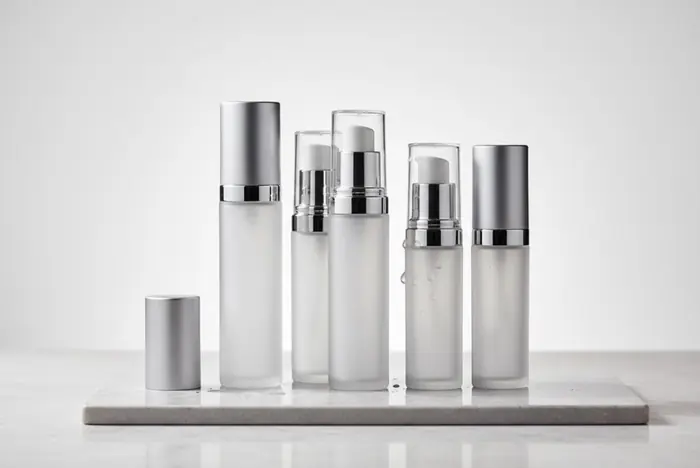
Can packaging really affect a copper peptide formula's stability? Yes. Oxygen exposure, light transmission, and container material can all influence stability, which is why packaging compatibility testing should accompany packaging selection.
How is stability testing different from a regulatory formality? Used as a development tool rather than a pre-launch checkbox, stability testing identifies formulation issues before packaging investment and commercial production begin — reducing costly redevelopment later.
Building a Stable Copper Peptide Formulation?
At SEYE Cosmetic, our formulation team helps brands evaluate ingredient compatibility, stability, and regulatory-appropriate claims for GHK-Cu products. Whether you are developing a private label facial serum or an eye cream OEM formulation featuring copper peptide, we provide full technical support from formula development through to finished product.
Related Reading: Beyond Collagen: The Biological Functions of Copper Tripeptide-1 · Peptide & Retinol Anti-Aging Serum OEM Guide · EU Cosmetics Regulation Compliance Guide
SEYE R&D Team
Formulation & OEM Specialists
Publication details are shown from the article record. Individual expertise, reviewer information, and review dates appear only when verified for public display.