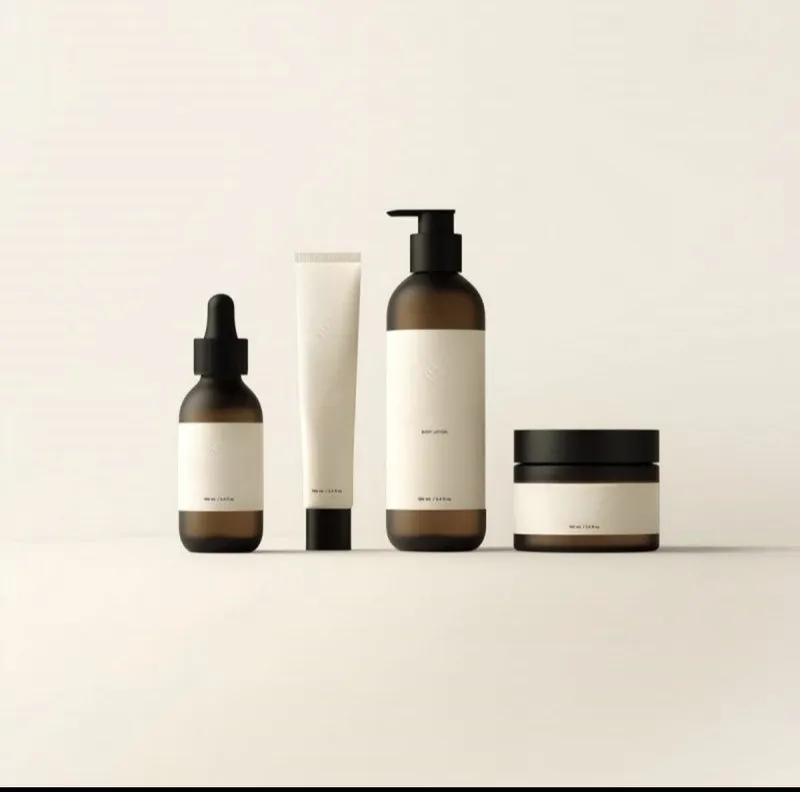
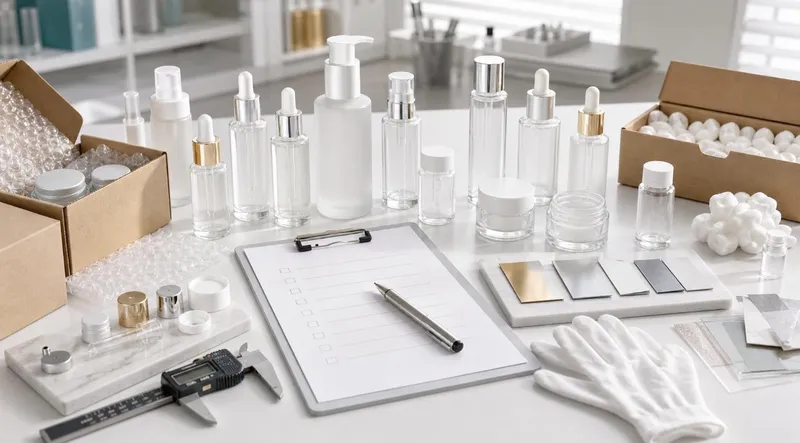
Packaging earns attention while formula earns trust. Learn how private-label skincare brands can balance formula and packaging investment across the customer journey without weakening either product performance or shelf appeal.
Quick Answer
Packaging and formula are not competitors; they solve different parts of the customer journey. Packaging earns attention and helps create the first sale. Formula earns trust after use and helps support the next purchase. The strongest skincare brands invest in both, while understanding that each creates value at a different stage.
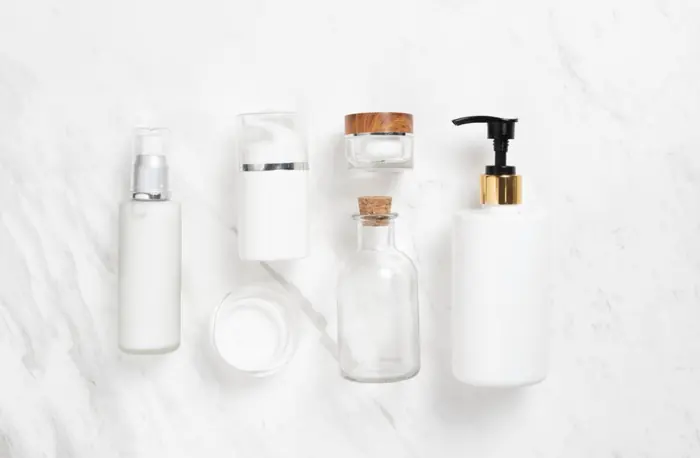
The practical goal is not to spend the most on either formula or packaging. It is to make the promise on the shelf match the experience in use.
Key Takeaways
- Customers cannot experience a formula before purchase, so packaging and positioning shape the first impression.
- A repeat purchase depends on whether the finished product delivers the sensory experience and cosmetic benefit the brand promised.
- Overspending on only one side can create an unbalanced offer: a strong formula that lacks shelf clarity, or an impressive pack that cannot support retention.
- “Premium” is usually the outcome of consistent choices rather than the most expensive component in every category.
- Formula, primary pack, secondary pack, product copy, and photography should communicate the same brand story.
Why This Matters for New Skincare Brands
Customers cannot touch, smell, or feel a formula before they decide to purchase. At that point, they can assess packaging, branding, positioning, product-page content, and photography. A well-considered pack helps reduce uncertainty and lets a new brand signal where it belongs in the market.

Repeat purchase is earned only after the formula becomes part of a customer’s routine.
That is why formulation and packaging must be planned as one system. Before choosing a bottle, cap, carton, or hero active, define the product’s target consumer, price point, key benefit, market, and sales channel. Our guide to starting a skincare brand and custom formula development hub can help turn those early choices into a workable product brief.
Two Different Sales, Two Different Drivers
At discovery and first purchase, packaging carries more visible responsibility because the formula has not yet been experienced. At first use and repeat purchase, the formula confirms—or fails to confirm—the expectations created by the packaging.
| Customer stage | Formula’s role | Packaging’s role |
|---|---|---|
| Discovery | Not yet experienced | Creates a first impression and category signal |
| First purchase | An untested promise | Helps communicate perceived quality, use case, and price position |
| First use | Confirms sensory quality and product fit | Reinforces ease of use and the brand promise |
| Repeat purchase | Central to trust and retention | Supports recognition and a reliable routine experience |
Beautiful packaging may support a first order. It cannot, by itself, create a durable product relationship. Conversely, a high-performing formula can struggle to get its opportunity if its presentation does not make the intended value clear.
Where Formula and Packaging Each Earn Their Value
Packaging leads the first impression
Packaging communicates before a shopper reads every detail. Format, weight, dispensing method, label hierarchy, color, and finish can help explain whether a product is designed for clinical simplicity, accessible daily care, premium ritual, travel convenience, or gifting. But the pack must be practical for the formula it holds.
For example, an active serum needs a pack that protects product quality while dispensing an appropriate amount. A private-label facial serum project should therefore evaluate formula, fill volume, delivery format, and consumer use at the same time—not as separate purchase decisions.
Formula leads the experience after opening
After purchase, the formula becomes the evidence behind the brand promise. Texture, absorption, fragrance level, compatibility with the routine, finish, and visible cosmetic results all influence whether the product feels credible. Spending more on a formula does not necessarily mean adding the largest possible number of actives; it means selecting a formula direction that fits the positioning and can be manufactured consistently.
The first quotation should also be compared by scope, rather than by headline price alone. Our OEM quotation guide explains why formula complexity, packaging, testing, documentation, and order volume need to be aligned before two offers can be compared fairly.
Building Budget Consistency
There is no universal formula-to-packaging ratio. A realistic budget depends on product format, active system, order quantity, market, claims plan, package availability, decoration complexity, and channel strategy. Instead of starting with a fixed percentage, use these questions:
- What must customers understand within a few seconds? This guides pack hierarchy and product presentation.
- What must customers experience within the first uses? This guides formula texture, sensorial targets, and the level of testing required.
- What promise are you making? The formula, pack, copy, and price should all support the same promise.
- What cannot be compromised? For a sensitive active, that may be formula stability and protective packaging; for a gift-led launch, it may be unboxing without sacrificing product quality.
Key question: If the customer experience did not match what the packaging promised, would the product still deserve a reorder?
Brands that are testing a new idea can often start with a focused, well-matched product and scale the decorative or custom-formula complexity when demand is proven. See our low-MOQ private-label skincare hub for a practical route to building that first commercial brief.
OEM Development Considerations

Formula and packaging work best when evaluated together rather than as isolated budget lines.
An experienced OEM partner should help assess formulation, packaging, positioning, and production in relation to the brand’s stage—not simply recommend the highest-cost option. During development, ask to align the following workstreams:
| Workstream | Questions to resolve before launch |
|---|---|
| Formula | What texture, fragrance, active direction, stability target, and cosmetic claim fit the product promise? |
| Primary pack | Is the material and dispensing system compatible with the formula throughout shelf life and use? |
| Secondary pack | Does the carton or outer presentation communicate the intended position without making unsupported claims? |
| Testing | What stability, compatibility, safety, and substantiation work is appropriate for the product and market? |
| Commercial plan | Do MOQ, lead time, order quantity, and target price support the chosen formula and packaging level? |
Where products will be sold across more than one market, regulatory and claims decisions need to join the development brief early. The global cosmetics compliance hub outlines how to coordinate formula, packaging, documentation, and market requirements before artwork is final.
Frequently Asked Questions
Does premium always mean expensive packaging?
No. Premium often comes from thoughtful, intentional choices: an appropriate component, clean label hierarchy, a consistent ingredient story, and dependable functionality. The most expensive material is not automatically the best match for the brand or product.
What happens if I overspend on formula and underspend on packaging?
A high-performing formula may be harder to communicate at shelf or online if the packaging does not make its value and use case clear. The solution is not necessarily luxury packaging; it is packaging that fits the intended position.
What happens if I overspend on packaging and underspend on formula?
Strong presentation may encourage the first trial, but it cannot replace the customer experience after opening. If performance, texture, or usability falls short of the promise, the product may struggle to earn a repeat purchase.
How should I split my budget between formula and packaging?
There is no single ratio. Select packaging that clearly expresses the positioning, then invest in a formula, validation, and product experience that fully support the promise. Compare options on total project scope, not component price alone.
Does the ideal balance shift as a brand matures?
Yes. Early-stage brands often need particularly clear presentation because they do not yet have a repeat-purchase history. As a brand builds recognition and product feedback, formula performance and line consistency become increasingly important to retention.
Plan a Product Customers Want to Buy Again
SEYE helps skincare founders coordinate formulation, packaging, positioning, and production into a product development path suited to their market and stage. Contact our OEM team with your product idea, target price, formula direction, packaging preference, order quantity, and destination market to begin.
SEYE Cosmetics
OEM Project Advisory Team, SEYE Cosmetics
Publication details are shown from the article record. Individual expertise, reviewer information, and review dates appear only when verified for public display.