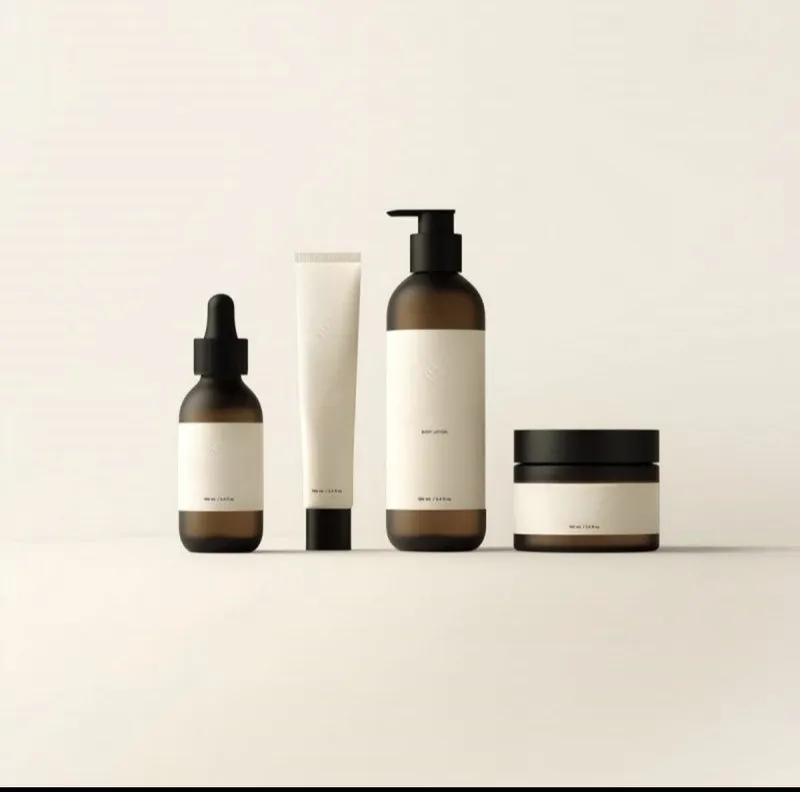
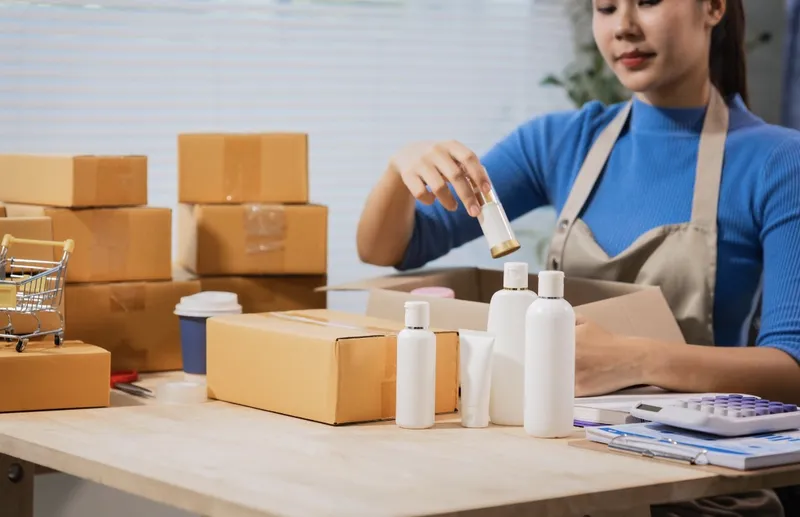
A practical pre-production control guide for skincare brands: confirm the formula, packaging, artwork, target market, quantities, documents, and change-freeze before the first OEM batch.
The Short Answer: Confirm Five Areas Before You Release the Order
Your first skincare production order is exciting, but it is also the point where small decisions become expensive. Before production, changing a bottle colour can take minutes. After 1,000 bottles have been printed, it may require rework, replacement materials, a new schedule, or a commercial decision about unusable stock.
Before releasing a first order, confirm five areas: Product (the final formula is clearly identified), Package (the real formula has been evaluated with the intended packaging), Print (artwork is technically and visually approved), Market (target-market requirements are understood), and Order (quantity, price inclusions, documents, and terms are clear). When these five areas are controlled, many avoidable first-order problems are found while they are still relatively inexpensive to fix.
For smaller launches, the Low-MOQ private label skincare hub provides a useful commercial starting point. This guide focuses on the control decisions that should be frozen before the production window begins.
Key Takeaways
- Never approve a formula with “use the last sample.” Record the exact formula code, revision, approved sample, and confirmed modifications.
- Approve artwork in two passes: visual approval and information approval. A well-designed carton can still contain an expensive content error.
- Finished-product quantity is not the same as packaging purchase quantity. Check the MOQ and commitment for every material and component, not only the finished-unit count.
- Reconfirm the target market before production. Labelling, responsible-party, notification, document, and claims requirements may differ by market.
- Establish a clear point where the project becomes production-frozen. Every late change increases the risk of version confusion, material mismatch, cost movement, or delay.
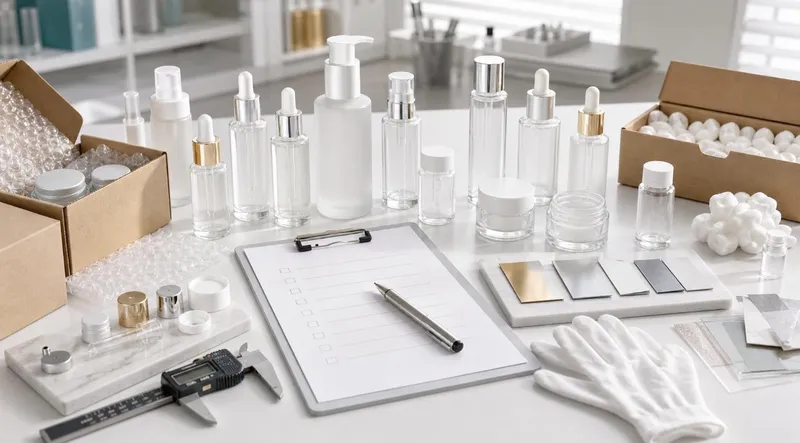 The first production run should be controlled against identified formula, packaging, artwork, and commercial approvals—not a collection of informal memories.
Why Small Unconfirmed Details Become Expensive
During development, a brand may test Sample A, Sample B, a revised Sample B, a final sample, and a fragrance-adjusted final sample. By production time, however, there should be one approved version. It should be confirmed by formula code, final-sample identity, requested modifications, packaging configuration, and relevant label direction. The production team needs an identifiable reference, not a memory of “the one I liked.”
The U.S. Food and Drug Administration’s cosmetic GMP guidance describes written production and control instructions, approved materials, in-process and finished-product checks, batch identification, and records for the materials and processing used in a batch.1 A buyer does not need to run the factory’s quality system. The buyer does need enough written clarity to know which product, packaging, and acceptance standard are being released.
Ten Checks That Prevent First-Order Problems
1. Test the Formula in the Final Packaging
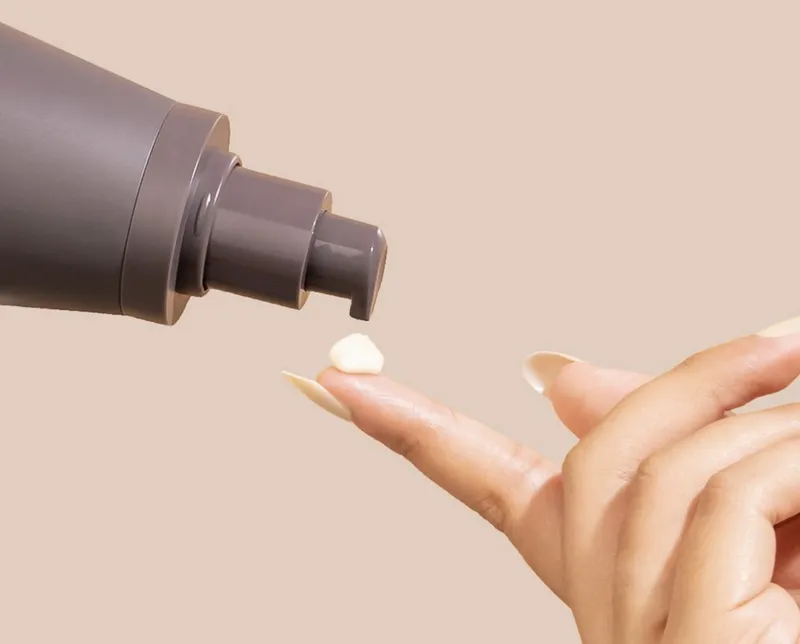
Check pump dispensing, formula flow, dropper pickup, tube dispensing, leakage, and closure performance using the intended product and pack. A good formula and a visually strong package do not automatically create a reliable finished product.
Treat formula and packaging as one development decision. The Custom Formula Development workflow is designed to align the formula, sensory target, final package, and relevant manufacturing controls before commercial production.
2. Review the Actual Artwork, Not Only the Design Concept
Brand name, product name, net contents, INCI list, directions, warnings, barcode, batch-coding area, and the correct artwork revision all require review. Approving artwork because it looks attractive is not the same as confirming that its information is ready to print.
Use two sign-offs: first, visual approval for layout, colour, and brand presentation; second, information approval for product identity, instructions, label copy, and market-specific requirements. For products entering more than one market, use the Global Compliance for Cosmetics planning process to assign market, documentation, and label-review responsibilities before cartons are printed.
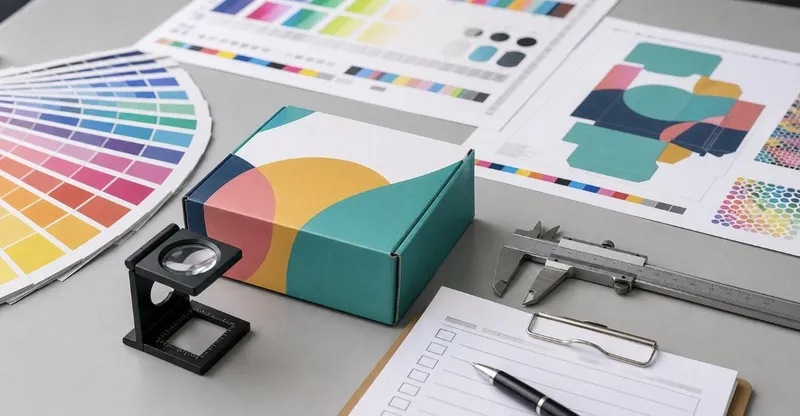 Artwork approval needs both a visual review and an information review before printing starts.
3. Confirm What the Quotation Includes
Formula, filling, bottle, pump or cap, printing, carton, assembly, and testing may or may not be included in a quoted price. Separately clarify custom moulds, special testing, regulatory services, freight, duties, storage, and any packaging-component commitment.
A quotation is more useful when inclusions, exclusions, assumptions, and change triggers are visible. The low-MOQ hidden-cost and lead-time guide explains why setup, material commitments, yield assumptions, testing, and schedule position should be discussed before the production calendar is locked.
4. Check Quantities Across the Whole Order
Packaging suppliers may have different MOQs. Additional quantities may be needed for production loss, quality-control sampling, defects, retained samples, or a later reorder. The finished-product quantity rarely matches every component purchase quantity.
Ask for a clear view of the finished-goods quantity, each packaging MOQ, expected yield or loss assumptions, retained-sample expectation, storage responsibility, and remaining-component plan. The first-order reorder-readiness guide helps brands weigh a small finished-goods launch against packaging commitments that may affect the next order.
5. Reconfirm the Target Market Before Production
The U.S., EU, U.K., GCC, and other markets can have different labelling, responsible-party, notification, ingredient, safety-document, and claims requirements. The mistake to avoid is discovering an unaddressed requirement after thousands of cartons are printed.
For products placed on the EU market, Regulation (EC) No 1223/2009 is the core framework for finished cosmetics, including the requirement for an EU-based responsible person and product-safety and notification obligations.2 Requirements depend on the product and market. Confirm the target-market pathway before approving final labels or claims, and do not describe market requirements as factory certifications.
6. Decide the Evaluation Reference Before Production
Use a combined acceptance standard: approved sample + written specification + approved packaging + approved artwork. Together, these give both the brand and the manufacturer a concrete basis for reviewing the finished batch.
A reference sample captures the intended sensory and visual target. A written specification captures relevant controlled criteria and test conditions. Final packaging confirms the delivery format. Approved artwork locks the printed identity. The bulk-production versus laboratory-sample variation guide explains why a commercial batch should be assessed against controlled criteria rather than an informal, isolated sensory comparison.
7. Separate What Must Match From What Is Only Preferred
Not every detail carries the same risk. Agreeing this before production makes later quality discussions more objective.
| Must match | Preferred or subject to agreed tolerance |
|---|---|
| Approved formula version | Extremely minor visual or sensory preferences within the approved product profile |
| Key sensory profile and written specification | Non-critical aesthetic preferences that do not change the agreed product standard |
| Packaging structure and functional performance | Small variation that remains within the documented acceptance criteria |
| Approved colour, artwork, and required product information | Optional presentation preferences not specified as release requirements |
This distinction should never be used to excuse a material difference. It is a way to direct attention to the characteristics that must be controlled before a batch is released.
8. Agree What Happens if Something Does Not Match
Establish a clear path before production: identify → investigate → confirm cause → agree corrective action → document disposition or release. This does not assume that a problem will occur. It makes a difficult conversation easier if one does.
The quality production overview is a helpful starting point for understanding the role of controlled operations and QC. For the buyer’s own acceptance process, the COA, batch-record, and release-document guide explains how a COA, batch record, and release decision should connect to a specific product lot.
9. Freeze the Project Once It Is Released
New brands sometimes keep improving the product until the last possible moment: one more ingredient, one more packaging change, or one more line on the carton. Each change may appear small in isolation, yet each can introduce version confusion, material mismatch, cost movement, or delay.
There should be a clear production-freeze point. After that point, any change should be reviewed for its formula, packaging, artwork, cost, document, and lead-time effect. The low-MOQ sample-to-first-order timeline shows why this decision gate should be visible to the brand, OEM, and packaging supplier.
10. Check the Factory Evidence Before You Commit
Before releasing a first order, review the quality-system evidence that is relevant to the project: production controls, applicable documentation, audit scope, and the parties responsible for release decisions. The cosmetic OEM certificate and audit-document guide can help buyers distinguish an audit or quality credential from batch-specific proof.
The Key Pre-Production Question
Before telling the factory “start production,” ask: if nothing could be changed after today, would we be comfortable with everything we have approved? If the answer is yes, the project is likely ready. If the answer is no, fix it now. The least expensive mistake is usually the one found before production starts.
Frequently Asked Questions
What should I check before my first skincare production order?
Confirm the final formula, packaging, artwork, target market, quantity, pricing scope, quality-control reference, and required documents. Also identify which decisions are frozen and what change process applies after release.
Should I test the final packaging before production?
Where practical, yes. Packaging should be evaluated with the actual formula rather than selected only by appearance. Confirm relevant dispensing, closure, leakage, compatibility, and user-experience considerations for the intended pack.
When should artwork be finalized?
Finalize artwork after the relevant formula, labelling, and market information are sufficiently confirmed, and before printing begins. Approve both visual presentation and the information that will appear on the final packaging.
Can I still make changes after production starts?
Some changes may be possible, but they can affect cost, materials, documentation, and lead time. Late changes should be minimized and reviewed through a defined change-control process.
What is the single most useful habit for reducing first-order mistakes?
Freeze key decisions before production and avoid adding “just one more” change once the project has been released to manufacturing. Clear version control and written approvals are more reliable than memory.
What documents should be agreed before the first production run?
Agree the relevant formula and packaging versions, artwork approval, product specification, purchase-order scope, quality evidence expected before shipment, target-market responsibilities, and the process for handling deviations or changes.
Final Takeaway
Most first-order mistakes do not come from one dramatic failure. They come from small details that were never fully confirmed. The solution is better decision control, not more meetings. Before your first production run, make sure the formula is final, packaging is workable, artwork is correct, the market pathway is understood, commercial terms are clear, and the release standard is agreed. Then freeze the project and manufacture what was approved.
Preparing Your First Skincare Production Order?
Send SEYE your formula requirements, packaging direction, first-order quantity, target market, and approval timeline. The team can help review the project before it moves from development into commercial production. Review your first production order with the OEM team.
References
SEYE Cosmetics
OEM Strategy & Quality Planning Team, SEYE Cosmetics
Publication details are shown from the article record. Individual expertise, reviewer information, and review dates appear only when verified for public display.