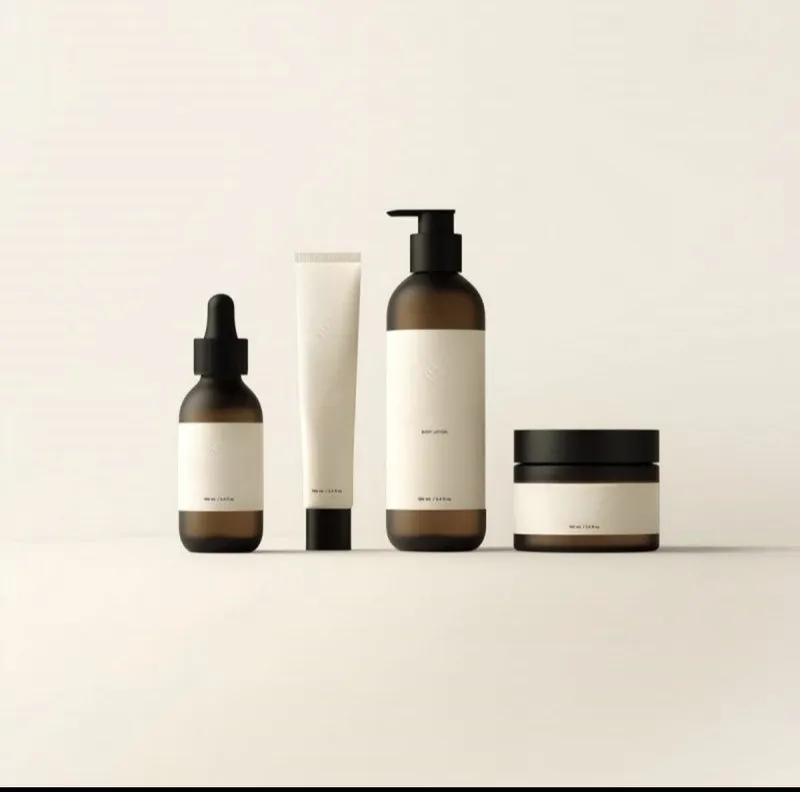
A practical formula-versus-packaging budget framework for new skincare brands. Use the four-zone matrix to prioritize product experience, pack function, positioning, and first-order readiness.
The Short Answer: Protect the Product, Then Fund the Weakest Link
A new skincare brand rarely has unlimited room in its first development budget. The practical question is not whether formula or packaging is universally more important. It is which part of the finished product is currently most likely to weaken the customer experience, the product promise, or the ability to reorder.
For most first launches, protect a formula that is suitable for the intended use, sensory target, and positioning. Then allocate enough budget to packaging that dispenses reliably, protects the product where relevant, looks credible at the chosen price point, and can be sourced again. Once both foundations are in place, additional spend may be more useful in sampling, claims support, compliance preparation, inventory, or launch marketing.
The earlier Formula or Packaging? guide explains how the two choices support different moments in the customer journey. This article adds a first-order budget decision framework: identify what is already strong, locate the limiting factor, and spend the next development dollar where it creates a noticeable improvement.
Key Takeaways
- Formula and packaging should be evaluated as one finished product, not as competing cost lines.
- A more expensive formula is not automatically better; it should support a specific product promise, use experience, and manufacturing plan.
- Packaging is functional when it protects, dispenses, closes, labels, and transports the product reliably—not merely when it looks premium.
- A fixed formula-to-packaging ratio is rarely useful at low MOQ. Component MOQ, decoration, compatibility work, target market, and reorderability all affect the real budget.
- If both formula and packaging are already fit for purpose, the next dollar may create more value in validation, launch readiness, or inventory continuity.
 The formula must earn trust during use; packaging must make that experience practical and credible from the first interaction.
Formula First When Product Experience Is the Main Proof Point
Formula investment normally deserves protection when the product is expected to win through texture, absorption, comfort, routine fit, or a clearly defined cosmetic benefit. This is common for products such as barrier-support creams, targeted serums, exfoliating treatments, or products designed for a sensitive-feeling routine. The budget should first ensure that the formula direction, sensory profile, stability planning, and intended packaging work together.
This does not mean adding the longest possible ingredient list or paying for complexity without a purpose. A stronger formula budget is one that makes the product promise more credible and the finished product more reproducible. The Custom Formula Development workflow is the right starting point when a brand needs to align the formula brief, target sensory profile, final packaging, and development controls before approving a commercial batch.
Formula should usually receive the next budget priority when:
- the current prototype does not deliver the intended texture, spread, absorption, or after-feel;
- the product claim or market position depends on a specific formulation direction;
- the formula has not yet been evaluated in the intended primary pack; or
- the product cannot be described honestly and consistently at the planned retail position.
Packaging First When Function or Positioning Is the Constraint
Packaging deserves the next budget priority when the formula is already suitable but the pack creates a functional or commercial problem. A package can weaken an otherwise good product if it leaks, dispenses inconsistently, feels awkward to use, provides insufficient protection for the formula, or signals a price tier that conflicts with the product’s positioning.
Packaging is not simply a visual upgrade. The primary pack, closure, pump, dropper, tube, label, and secondary carton can affect hygiene perception, portion control, transport performance, product protection, and the clarity of the use instruction. These factors should be tested with the actual product, not only judged from a catalogue image.
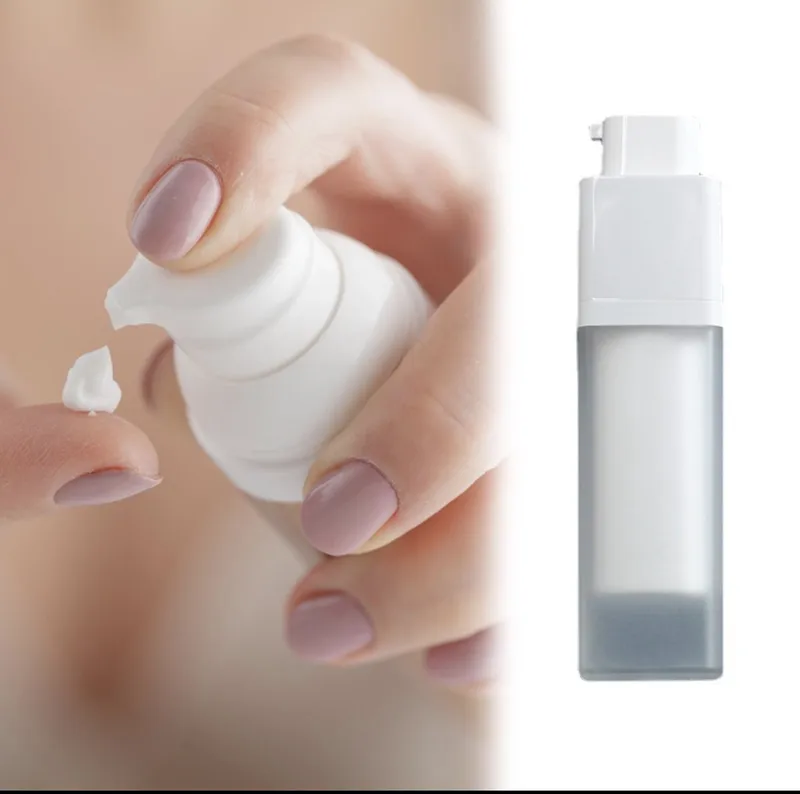 A pack that dispenses cleanly and protects the intended use experience is a functional investment—not decoration.
Packaging should usually receive the next budget priority when:
- the chosen dispenser makes normal use difficult or inconsistent;
- the formula needs a packaging format that supports its stability or intended dosing;
- the bottle, tube, label, or carton makes the brand promise hard to understand; or
- a better stock component can solve a real user or supply-chain issue without forcing unnecessary custom tooling.
For a small first launch, the Low-MOQ private label skincare hub can help brands compare a focused, commercially realistic pack-and-formula route before adding custom components that may increase commitments.
A Four-Zone Formula–Packaging Investment Matrix
Instead of beginning with a percentage split, assess the current state of the finished product. The matrix below is a decision aid, not a universal scoring system.
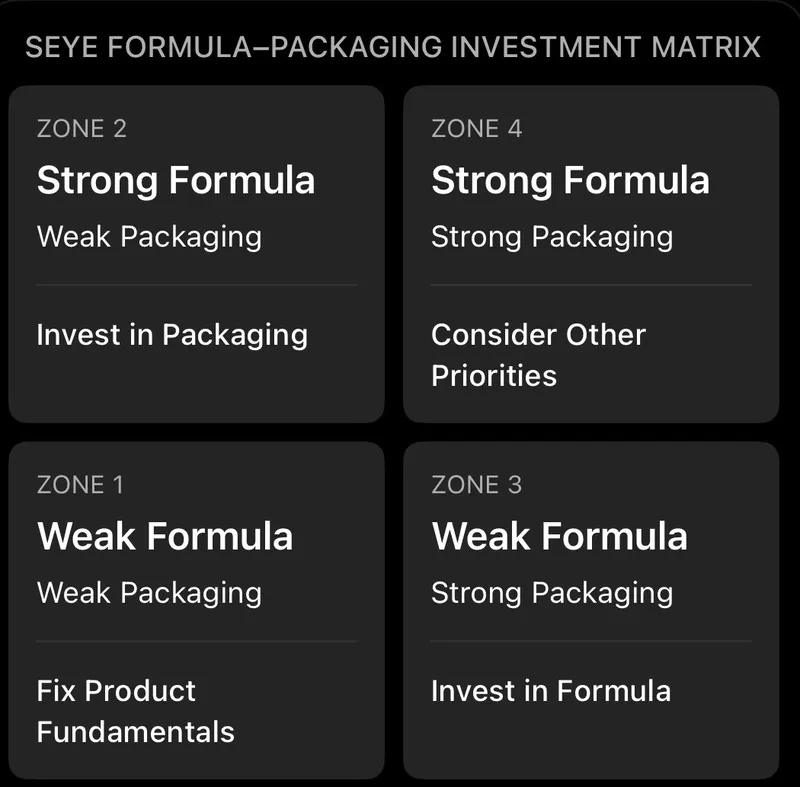 Use the matrix to locate the limiting factor before making the next upgrade decision.
| Zone | Current situation | Recommended budget decision |
|---|---|---|
| 1 | Weak formula + weak packaging | Fix the product fundamentals first. Do not add premium decoration before the product and pack work together. |
| 2 | Strong formula + weak packaging | Improve the pack’s function, protection, clarity, or positioning so it no longer limits a credible product. |
| 3 | Weak formula + strong packaging | Invest in formula suitability and product experience. A visually strong pack should not over-promise. |
| 4 | Strong formula + strong packaging | Test whether the next dollar belongs in sampling, compliance, content, inventory, or launch support rather than further premiumization. |
The key question is simple: what will the intended customer actually notice, understand, or benefit from next? A cap finish that does not improve use may not be the best first-order investment. A reliable pump, a more suitable bottle, an improved after-feel, or a needed compatibility check may be more valuable.
Compare Total Project Scope, Not Component Prices Alone
At low MOQ, an apparently inexpensive formula or pack may carry expenses elsewhere: development revisions, compatibility checks, artwork changes, decoration setup, component commitments, storage, or a slower production schedule. Conversely, a well-chosen stock component can give the product a clean, credible appearance while preserving budget for formula development and launch essentials.
The low-MOQ formula and packaging budget guide explains how to compare development, formula, packaging, validation, and contingency as connected budget buckets. When reviewing quotations, use the low-MOQ hidden-cost and lead-time guide to clarify what is included, what needs separate approval, and which component or process may become the critical path.
Ask the OEM and packaging supplier to show the trade-offs in one view:
| Decision area | Questions to resolve before approving the first order |
|---|---|
| Formula | Does the formula support the promised sensory experience and use case? Has it been reviewed with the intended pack? |
| Primary packaging | Does it dispense, close, transport, and present the product appropriately? What is the component MOQ? |
| Decoration and carton | Does it add customer-visible value, or only cost and lead-time complexity? |
| Documentation and market | Are label, claim, safety, and market responsibilities understood before artwork is locked? |
| Reorderability | Can the same formula version and packaging configuration be sourced again under defined commercial conditions? |
For multi-market plans, the Global Compliance for Cosmetics hub is useful before final artwork is approved. Market requirements and commercial claims can affect both the formula brief and the packaging copy, so they should not be treated as a last-minute design task.
A Better First-Order Development Sequence
Use a sequence that turns strategy into a controlled project:
- Define the target consumer and product promise. Identify the category, use moment, retail position, target market, and the difference the customer should actually feel or understand.
- Set the non-negotiables. Decide what must be true about product suitability, formula experience, pack function, price position, and launch timing.
- Build the formula and pack together. Evaluate the intended formula with the intended component rather than treating them as isolated decisions.
- Find the current limiting factor. Use the matrix to determine whether the next improvement belongs in formula, packaging, or neither.
- Check the complete commercial scope. Confirm component MOQ, decoration, testing, artwork, storage, documents, and lead-time assumptions.
- Freeze the approved version. Record the formula, packaging, artwork, and acceptance reference before mass production begins.
The first skincare production-run mistake-prevention guide gives brands a practical control checklist for the final step. After launch, apply the first-order reorder-readiness guide to review whether the chosen formula and pack have created a realistic second-order path.
Frequently Asked Questions
Should a new skincare brand spend more on formula or packaging?
For most new brands, first protect a formula that delivers the intended product experience, then choose packaging that is functional and credible for the positioning. The next budget increase should address whichever part currently limits the product.
Does expensive packaging automatically make skincare feel premium?
No. Perceived quality depends on consistency between the product, pack function, design, use experience, and price point. A costly component that does not improve these factors may add cost without adding meaningful value.
Can good packaging compensate for a basic formula?
Packaging can improve discovery and first impression, but it cannot fully compensate for a product that disappoints during use. If the formula is the limiting factor, improve the formula before adding decorative complexity.
Can stock packaging support a premium skincare position?
Yes. A well-selected stock component can support premium positioning when its proportion, dispensing function, decoration, label hierarchy, and carton are appropriate for the product. It may also reduce first-order complexity compared with custom tooling.
How should brands budget for formula–packaging compatibility?
Treat compatibility as part of the finished-product development plan, not an optional add-on after the pack is selected. Confirm with the OEM which practical checks are appropriate for the formula, component, closure, dispenser, and intended shelf-life or use conditions.
When should the budget move beyond formula and packaging?
When both the formula and packaging are fit for purpose, the next dollar may be better allocated to validation, market compliance, launch content, samples, working inventory, or a reorder plan. The decision should reflect the brand’s stage and the biggest remaining commercial constraint.
Final Takeaway
The most useful budget rule is not “formula first” or “packaging first” in every case. It is fund the part of the finished product that currently prevents the customer from seeing, feeling, or trusting the promised value. Start with a suitable formula and functional pack, make the trade-offs visible, and avoid premiumizing a feature that the customer cannot experience or that makes the first order harder to repeat.
Planning the Budget for Your First Skincare Product?
Send SEYE your product category, target market, consumer position, formula direction, packaging preference, target retail range, and first-order quantity. The team can help compare practical formula and packaging paths before the project moves into production. Discuss your product budget with the OEM team.
SEYE Cosmetics
OEM Product Development & Brand Strategy Team, SEYE Cosmetics
Publication details are shown from the article record. Individual expertise, reviewer information, and review dates appear only when verified for public display.