A first skincare OEM order should do more than launch on time. Learn how to make formula, packaging, MOQ, quality records, and inventory decisions that keep a second order practical and scalable.
The Short Answer: A First Order Should Make the Second Order Easier
Most new skincare brands focus on the immediate first production order: MOQ, packaging appearance, unit cost, and launch timing. Those decisions matter, but one question should be answered before the purchase order is placed: if this product sells well, how easily can we make it again?
A successful first order is not only one that launches on time. It is one that creates a repeatable path for the next production run: the approved formula can be identified, the packaging can be sourced again, the slowest component is known, and the reorder point is understood before inventory is depleted. The first production run therefore tests the future supply chain—not just consumer demand.
The Low-MOQ private label skincare hub explains how a focused first launch can reduce commercial exposure. This guide adds the reorder lens: every formula, pack, and quantity decision should be assessed for its effect on the next order.
Key Takeaways
- Ask whether the same package can be bought again in three or six months; uncommon shapes, custom colours, and complex decoration can add sourcing dependencies.
- Record the exact formula version, product specification, reference sample, and artwork version so the second order reproduces a defined product rather than a memory.
- Treat every customization as a future dependency and ask whether it creates enough customer value to justify added reorder complexity.
- If a packaging component has a 3,000-piece MOQ while the finished-goods order is 500 units, understand whether you are committing to components for several future runs.
- Set a reorder point based on expected demand during replenishment time plus safety stock—rather than waiting until stock is almost gone.
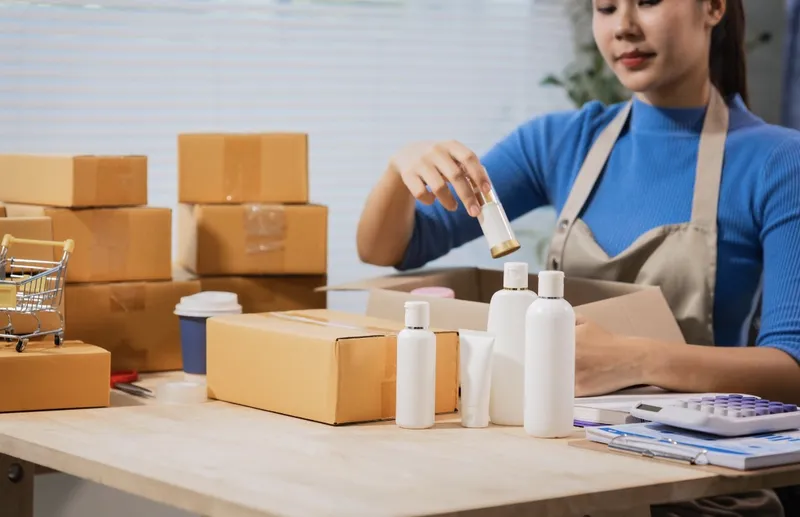
The first order tests more than consumer demand: it tests whether the same packaging and formula can be sourced again under controlled conditions.
Why the First Order Is a Supply-Chain Test
The first production run reveals more than whether consumers like the product. It shows how readily packaging can be sourced, which materials need advance purchasing, whether the formula and final pack work together, and where production or document delays can emerge. Your first order is inventory, but it is also the first controlled test of a product’s future supply chain.
The Low-MOQ Samples to First Order timeline and responsibility matrix is useful here: it separates the decisions owned by the brand, OEM, and packaging supplier before a production window is reserved. Reorder readiness begins with those same decisions being recorded well enough to repeat.
Six Reorder-Readiness Factors Brands Often Skip
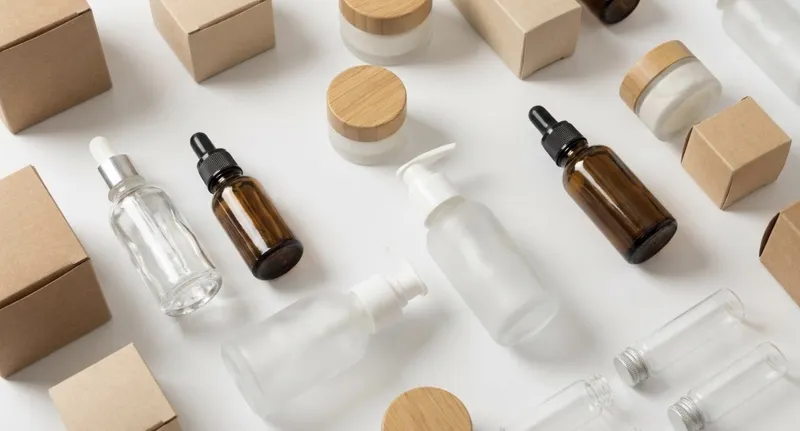
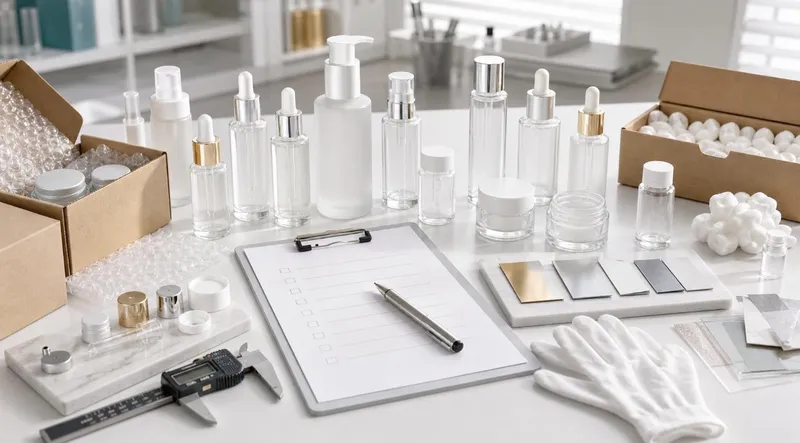
A pack that looks right at launch still needs to be sourceable again at the intended quality and lead time.
1. Choose Packaging That Can Be Reordered
A package can look excellent at launch yet depend on an uncommon shape, a limited-stock component, or multiple specialist decoration processes. That can turn a simple second order into a sourcing exercise. Prioritize the combination of visual fit, functional performance, and repeatability—not appearance in isolation.
In a low-MOQ formula and packaging budget, packaging choices should be assessed for total supply-chain implications, including component MOQ, decoration setup, storage, compatibility, and the ability to use the same component again.
2. Record the Exact Formula, Pack, and Artwork Version
The second order should begin with “please reproduce approved Formula Version X in Pack Version Y,” not “please make the same one as last time.” Retain the formula code, signed specification, approved reference sample identifier, primary-pack specification, artwork revision, and label copy.
The Custom Formula Development workflow should bring formula, sensory target, packaging compatibility, and quality planning together. A formula that is only identifiable by a broad marketing description is not a reliable reorder standard.
3. Identify the Slowest Component Before It Becomes Critical
Stock bottles may be readily available while custom-coloured bottles, specialist pumps, certain cartons, or raw materials require advance purchasing. The slowest qualified component often determines when finished production can begin. Ask which component has the longest expected lead time, what commitment it requires, and what alternative is available if it cannot be replenished.
The low-MOQ hidden-cost and lead-time guide explains why setup, material commitments, yield, testing, and schedule position should be discussed before the project calendar is locked.
4. Understand MOQ Beyond the Finished-Goods Order
A 500-unit finished-goods order with a 3,000-piece packaging minimum can be a sensible strategy when demand is credible and the component is stable. It can also create obsolete-stock risk when the product is still being tested. The issue is not that a component MOQ exceeds the finished-goods quantity; it is whether the commitment is explicit, commercially justified, and stored under defined conditions.
5. Preserve Enough Evidence to Reproduce the Product
The physical product is only one part of a reorder. A brand also needs controlled evidence: formula and pack versions, batch and release status, acceptance conditions, and any authorized deviations or improvements. The COA, batch-record, and release-document guide shows how to connect a finished lot to its specification, production evidence, and release decision.
If the first bulk behaves differently from the approved sample, do not rely on informal recollection. Use the bulk-production versus laboratory-sample variation guide to distinguish controlled variation from a difference that requires investigation.
6. Plan the Reorder Point, Not Just the Reorder Date
A practical reorder point combines expected demand during replenishment with a safety-stock allowance. It should be reviewed as sales data, supplier lead times, target markets, and production capacity become clearer. A product that sells faster than expected can be as disruptive as a slow seller if its package or formula cannot be replenished in time.
For products intended for multiple markets, incorporate the relevant labelling, documentation, claims, and supply requirements from the beginning. The Global Compliance for Cosmetics hub provides a market-aware planning framework so a later expansion does not force an avoidable formula or packaging restart.
Same Sales, Different Reorder Outcomes
| Factor | Brand A | Brand B |
|---|---|---|
| First order | 500 units in a highly customized bottle with a special pump, custom colour, and complex box | 500 units in a premium stock bottle with a customized logo, standard pump, and simple carton |
| Sales result | Strong after three months | Strong after three months |
| Reorder outcome | One custom component now requires a new high MOQ and a long sourcing cycle, delaying replenishment | Packaging can be reordered with fewer supply-chain changes, supporting a larger second run |
Both brands may have achieved a successful launch. Only the second has created an easier route to replenish. The purpose is not to eliminate differentiation; it is to make the commercial and operational trade-offs visible before they become urgent.
The SEYE Reorder-Readiness Check
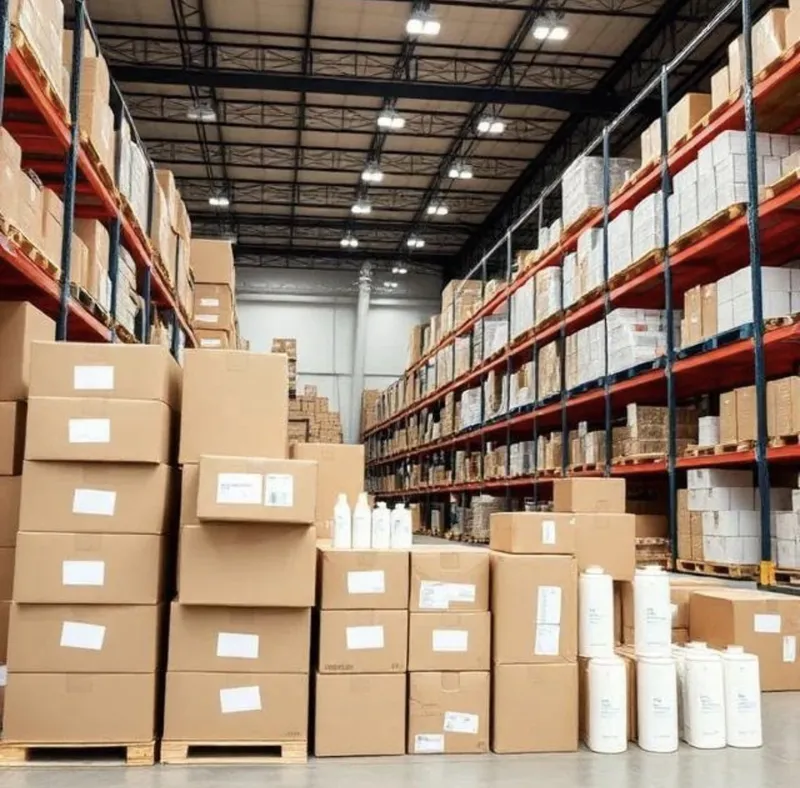
Working out a reorder point before stock runs low supports continuity between the first order and the next.
Use this five-part review before approving the first production run:
- FORMULA: Is the approved formula clearly identified, specified, and reproducible?
- PACKAGE: Can the same primary and secondary packaging be sourced again, and what is each component’s MOQ?
- SUPPLY: Which raw material or component has the longest lead time or needs advance purchasing?
- SCALE: What changes to cost, materials, batch size, or packaging economics are expected at the planned second-order quantity?
- REORDER: What inventory threshold will trigger the next purchase decision, considering forecast demand and safety stock?
The key question is simple: if this SKU sells faster than expected, can it be made again without rebuilding the entire project? If the answer is yes, the first order is doing more than entering the market—it is helping the brand remain in it.
Use the First Order as a Controlled Learning Cycle
After launch, sort the evidence into four groups: Keep (formula, texture, hero benefit), Improve (pump performance, carton dimensions, label readability), Remove (a detail consumers do not notice but that complicates supply), and Scale (component quantity, production volume, or safety stock).
Document any intended changes through a controlled review. The First Production Acceptance and Replenishment Decision Checklist provides a practical way to reconcile delivered stock, physical condition, batch documentation, held inventory, and the evidence needed to support a reorder decision.
Frequently Asked Questions
Should my first order use the cheapest possible packaging?
Not necessarily. The priority is packaging that is functional, aligned with the brand position, and reasonably reorderable. The lowest initial price can create a higher overall cost if it introduces excessive sourcing, MOQ, storage, or compatibility risk on the next order.
How do I know which component will slow down my reorder?
Ask the manufacturer and packaging supplier to identify the component with the longest expected lead time, whether it requires advance purchasing, its minimum order quantity, and the conditions under which it remains available. Record the answer in the project plan rather than relying on an informal estimate.
Is it automatically a problem if a packaging MOQ exceeds the finished-product quantity?
No. It can be a deliberate supply strategy, particularly when the component is stable and future demand is credible. It becomes a risk when the commitment, storage requirement, or possibility of a later pack change was not understood before the order was placed.
Should I try to perfect the product on the first order?
The first order should be commercially credible and consistent with the approved product standard, but it does not need to carry every possible customization. Focus on the formula, pack function, consumer value, and evidence needed to make a stronger decision after real market feedback.
What records should the brand retain for a smoother second order?
Retain the approved formula and specification, reference-sample identifier, artwork and packaging revisions, purchase-order terms, component MOQ and lead-time assumptions, batch and release documents, delivery/acceptance observations, and the list of authorized changes. These records create a reliable starting point for the next production brief.
When should I start the second order?
Work backward from a reorder point: expected demand during the full replenishment period plus an appropriate safety-stock allowance. Review the trigger as actual sales velocity and supplier lead-time information become available; do not wait until inventory is nearly exhausted.
Planning Your First Skincare OEM Order?
Send SEYE your product concept, first-order quantity, packaging direction, target market, and expected replenishment plan. The team can help evaluate both the first production run and the controls needed to keep future orders practical and scalable. Plan for reorder readiness with the OEM team.
SEYE Cosmetics
OEM Strategy & Supply Continuity Advisory Team, SEYE Cosmetics
Publication details are shown from the article record. Individual expertise, reviewer information, and review dates appear only when verified for public display.