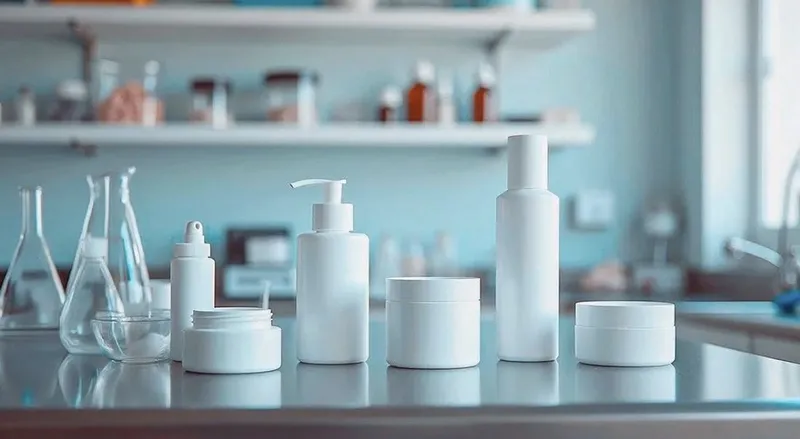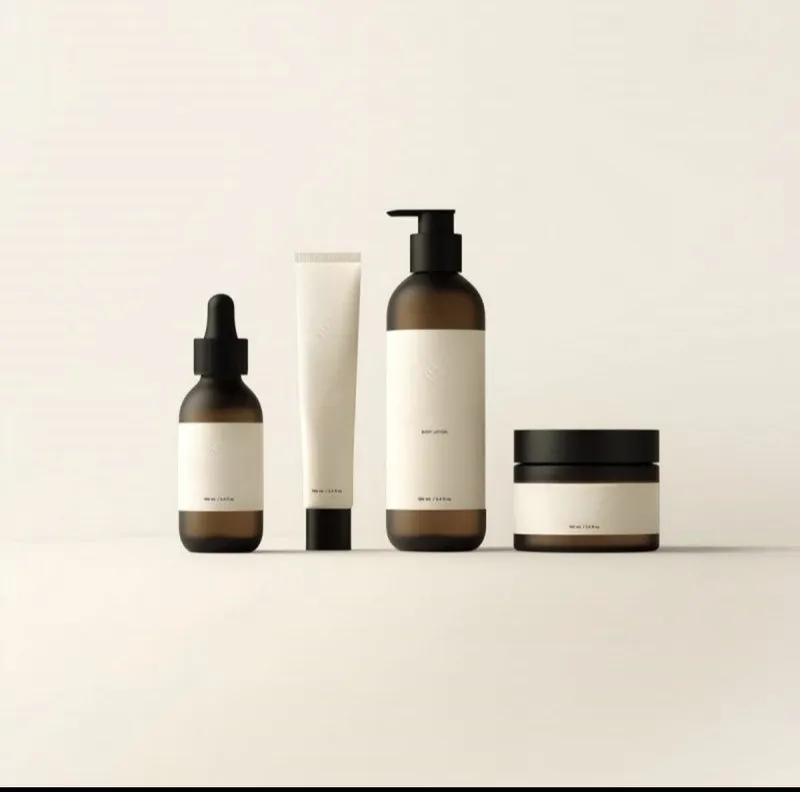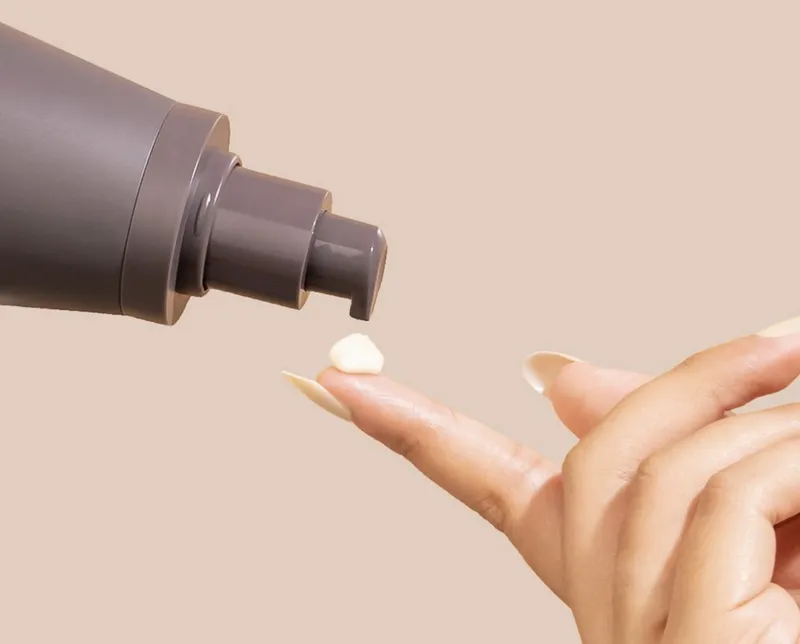
Choose an existing skincare OEM formula by consumer fit, texture, packaging, cost and market requirements. Compare library formulas, sample shortlists and custom development.
The Short Answer: Select for the Finished Product, Not the Ingredient List
Choosing a skincare formula from an OEM manufacturer can look simple: review the ingredient list, request a few samples, and pick the one you like most. In practice, that approach often leads to the wrong decision.
Choose an existing OEM skincare formula by matching the target consumer, intended benefit, texture, packaging, cost and target-market requirements. Shortlist a few relevant samples, then assess sensory fit and the technical evidence needed for the finished product. Existing formulas may reduce development work, but MOQ, adjustments, exclusivity and timing still require project-specific confirmation.
Key Takeaways
- "Existing formula" describes the development route, not the quality level — it can be simple or highly sophisticated.
- Choosing a formula by ingredient list alone is a common mistake in OEM product development.
- A clear formula brief can help a manufacturer shortlist 2–3 relevant options for an initial comparison instead of sending many unrelated samples.
- Formula selection is both a formulation decision and a business decision — packaging, cost and market fit all move together.
- Existing and custom formulas are not competing tiers; the right choice depends on where your product genuinely needs differentiation.

Same category, different formulas — texture and after-feel vary even among formulas labeled the same way.
Why This Matters: What Is an Existing OEM Skincare Formula?
An existing formula is one an OEM/ODM manufacturer has already developed, rather than one built from scratch for a single brand. A mature formula library typically covers serums, moisturizers, cleansers, toners, eye creams, masks, sunscreens, body care and hair/scalp products.
A manufacturer may hold several hydrating facial serum directions — a lightweight hyaluronic acid version, a niacinamide version, a ceramide barrier-support version, a premium peptide version, and a richer version for dry or mature skin. They share a category label, but their texture, active system, skin feel, cost and positioning can be completely different. Selecting an existing formula should never mean picking blindly from a catalog.
Is an Existing Formula Lower Quality?
Not necessarily. "Existing" describes the development route, not the quality tier. An existing formula can use sophisticated actives such as peptides, ceramides, ectoin or niacinamide. Likewise, "custom" does not automatically mean commercially better. The more useful questions are:
- Does the formula fit the target consumer?
- Does it deliver the desired texture and after-feel?
- Does it support the intended positioning and packaging?
- Does its cost fit the business model and target market?
The Biggest Mistake: Choosing by Ingredients Alone
Brands often send a request like "Niacinamide + Hyaluronic Acid + Ceramides + Peptides + Centella + Panthenol," assuming more attractive ingredients equal a better formula. But consumers use the finished product, not the ingredient list.
A commercially strong formula has to balance efficacy, stability, texture, skin feel, packaging compatibility, cost and regulatory fit. Adding actives can raise complexity and cost without improving the consumer experience. The goal is not the longest INCI list — it is the right product for the intended consumer and market.
Market Insights: What Buyers Actually Need From a Formula Library
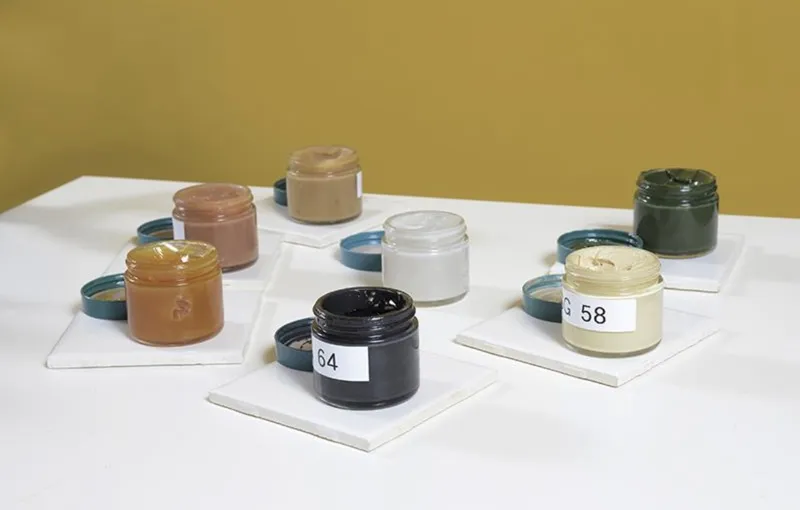
A library of formula options, screened down to a short, relevant shortlist based on the brand's brief.
Brand founders sourcing from China or other OEM hubs are usually comparing dozens of "similar" serums and creams across suppliers. The real differentiator between manufacturers is rarely the ingredient list on the page — it is whether the product team can translate a business brief into a short, relevant shortlist, rather than a generic catalog dump.
A clear product brief gives the manufacturer's R&D and product teams a more useful basis for screening library options. This can help focus evaluation and manage sampling effort.
Comparison: The SEYE 7-Factor Formula Selection Framework
When evaluating formulas for an OEM/ODM project, look at seven connected factors together — not in isolation.
1. Target Consumer
Age, skin type, primary concern, climate, habits and texture preference. Consumers with combination skin in a warm climate and consumers with dry skin may need different sensory targets and suitability checks. Assess the complete brief rather than age alone.
2. Primary Benefit
Define one clear reason for the product to exist — hydration, radiance, barrier support or anti-aging — then let secondary benefits follow.
3. Texture & After-Feel
Watery or viscous, gel or emulsion, fast-absorbing or nourishing. There is no universally "premium" texture — only the correct one for the consumer and climate.
4. Target Market & Climate
A rich moisturizer loved in a cold climate can feel unnecessarily heavy in a hot, humid market. Real usage environment should shape formula approval.
5. Packaging Compatibility
Viscosity can help screen droppers, pumps, jars or airless systems, but it does not establish compatibility by itself. Confirm dispensing, contact-material compatibility and the relevant stability checks. A beautiful package that cannot dispense the formula reliably is still the wrong package. The low-MOQ formula and packaging budget guide helps connect those checks to the project budget.
6. Cost & Retail Positioning
A complex active system with a high production cost can undermine a $20–25 retail target even if the sensory experience is excellent.
7. Regulatory & Market Fit
Changing an active system or target market can affect documentation, testing requirements, or the final retail price the product can support. Review the global cosmetics compliance pathway before approving claims and artwork. Ingredient presence alone does not establish finished-product performance.
Existing Formula vs Custom Formula
| Project Situation | Existing Formula | Custom Formula |
|---|---|---|
| First product launch | Often suitable | Sometimes necessary |
| 500–1,000 units as an illustrative target | May be suitable; confirm project-specific MOQ | Depends on development and component scope |
| Launch planning | May reduce formula development work; timing depends on readiness | Additional development and validation may be needed |
| Limited development budget | Strong option | Higher initial investment |
| Proprietary product concept | Limited | Strong option |
| Specific active system | Depends on library | Greater control |
| Formula exclusivity | Must confirm written terms | Ownership and exclusivity still require a written agreement |
| Market validation first | Strong option | Often unnecessary initially |
Starting MOQ is subject to formula, packaging and market documentation; request a project-specific quotation. For the broader first-order planning conditions, see the low-MOQ private label skincare hub.
The correct question is not which route sounds more premium. It is: where does this product genuinely need differentiation? If differentiation comes from branding, packaging and customer acquisition, a strong existing formula may be enough. If it depends on a proprietary active system or exclusivity, custom development may be justified. The custom formula development hub explains the development stages and change-control responsibilities.
Recommendations: How to Brief a Manufacturer and Sample Efficiently
Instead of sending "please send me your best serum," send a short product brief. The following is an illustrative buyer brief, not a quote, MOQ commitment or recommended retail price:
- Product: Facial Serum
- Target Market: United States
- Target Consumer: Women 25–40, normal to combination skin
- Primary Benefit: Hydration + healthy-looking radiance
- Texture: Lightweight, fast absorbing, non-sticky
- Preferred Ingredients: Niacinamide, Hyaluronic Acid, Panthenol, subject to feasibility and target-market review
- Packaging: 30 mL pump or dropper
- Indicative Initial Quantity: 500–1,000 units; final MOQ requires project-specific confirmation
- Illustrative Target Retail Price: USD 28–38
This gives the manufacturer a more useful basis for screening its library and may help narrow the first sampling round to a few relevant directions.
Initial sampling approach: 2–3 carefully selected formulas per category can be a useful first comparison; add options only when a clear gap remains. Define the brief → shortlist 2–3 formulas → test physical samples → select the closest direction → optimize only where necessary. If an existing formula is already close to the target, assess whether limited optimization is feasible before starting from zero. Any adjustment may require renewed stability, preservation, compatibility or documentation review.
OEM Development Considerations: How SEYE Approaches Formula Selection
At SEYE, we begin with the product brief rather than sending a generic formula catalog.
- Understand the project — target market, consumer, benefit, ingredients, texture, packaging, quantity and positioning.
- Screen suitable existing formulas — our product and R&D teams can review potentially suitable available options against the brief.
- Explain the differences — compare shortlisted formulas on texture, active system, positioning and consumer experience.
- Prepare samples — evaluate the real formula, not an ingredient list.
- Optimize where necessary — assess whether practical adjustments can close the gap to your target.
- Confirm the final development route — lock formula, packaging, documentation, pricing and production requirements. Agree the reference sample and written specifications; the bulk-production versus lab-sample variation guide explains why both matter at scale-up.
Brands considering a manageable initial order can also review our private label skincare MOQ guide and our step-by-step guide to starting a skincare brand for how formula choices connect to first-order planning.
Frequently Asked Questions
Is an existing OEM skincare formula exclusive to my brand?
Not necessarily. Standard existing formulas may also be available to other customers. If exclusivity is important, discuss formula ownership, exclusivity conditions and custom-development options before proceeding.
Is a custom skincare formula always better?
No. Custom formulation offers more control and differentiation but generally requires more development work. A strong existing formula may be more appropriate when a defined development path, project-specific MOQ and market validation are priorities.
Can I modify an existing skincare formula?
Often, yes. Depending on the formula, fragrance, color, viscosity, texture or selected ingredients may be adjustable — though changes can affect stability, preservation, pH and packaging compatibility, so technical evaluation is needed.
How many skincare samples should I request?
For the first round, 2–3 well-matched formulas per category are usually more useful than many unrelated samples. A clear brief helps the manufacturer shortlist meaningful options.
What if none of the available formulas match what I need?
If existing formulas cannot deliver your intended concept even after evaluating adjustments, custom development becomes the more logical route — ideally scoped around a clear performance or sensory target rather than a longer ingredient list.
Final Takeaway
Choosing an OEM skincare formula is not a competition to find the longest ingredient list. The better question is: which formula best fits my consumer, positioning, texture, packaging, cost structure and target market? For some brands, that answer is a strong existing formula. For others, it is a customized version of an existing platform — or, where real technical differentiation is required, a fully custom formula.
Looking for the Right Formula for Your Skincare Brand?
Send SEYE your product category, target market, target consumer, desired benefits, texture preference, packaging size and estimated first-order quantity. Our product team can shortlist suitable existing formulas for sampling before you decide whether custom formulation is necessary.
Request formula recommendations from SEYE. Please request a project-specific quotation and MOQ.
SEYE Cosmetics
OEM Formula Selection & Product Planning
Publication details are shown from the article record. Individual expertise, reviewer information, and review dates appear only when verified for public display.